Does Oregon Have Net Metering in 2026?
Oregon net metering rules in 2026 provide 1:1 retail credits for solar energy from utilities like Pacific Power and Portland General Electric.
Oregon net metering rules in 2026 provide 1:1 retail credits for solar energy from utilities like Pacific Power and Portland General Electric.
Minnesota net metering laws in 2026 require investor-owned utilities to credit systems under 40 kilowatts at retail rates.
Michigan solar policy in 2026 replaces traditional net metering with the Distributed Generation program and inflow outflow billing.
Connecticut solar net metering rules in 2026 and the Residential Renewable Energy Solutions program explain electricity bill savings options.
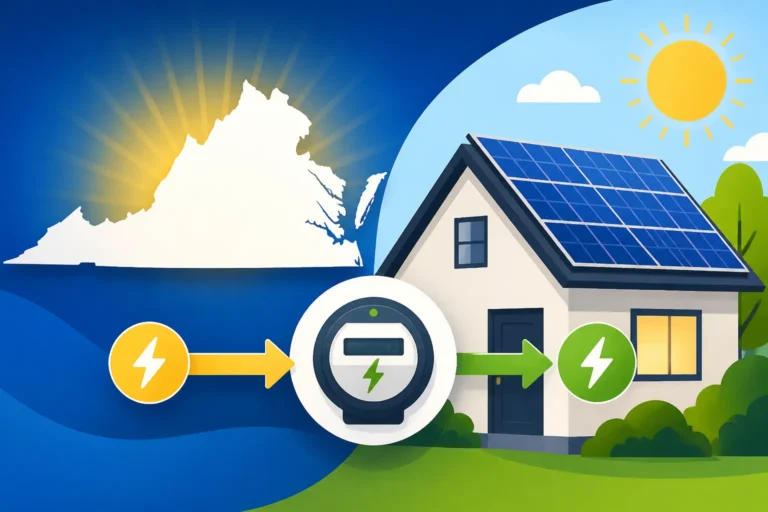
Virginia net metering in 2026 allows residential solar customers to earn utility credits for excess electricity sent back.

North Carolina solar rules in 2026 under Duke Energy include the Net Billing Tariff, Time-of-Use rates, and Bridge Rate options.
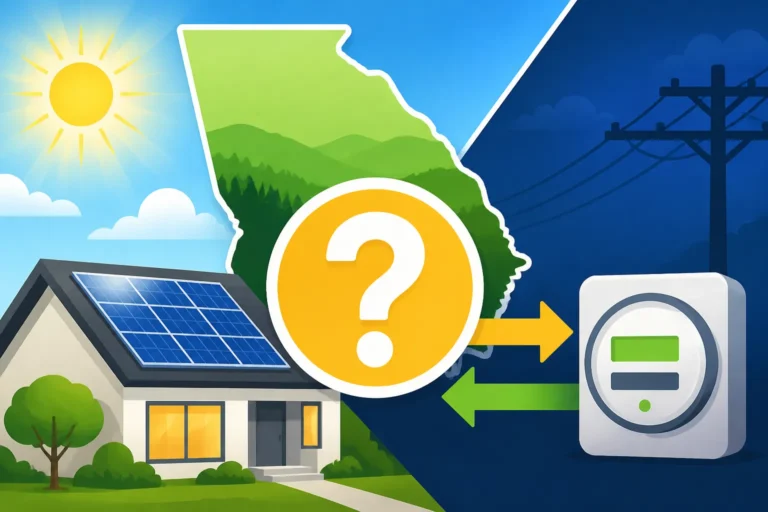
Georgia net metering in 2026 relies on lower wholesale buy-back rates from Georgia Power and local EMC cooperatives instead of 1:1 credits.
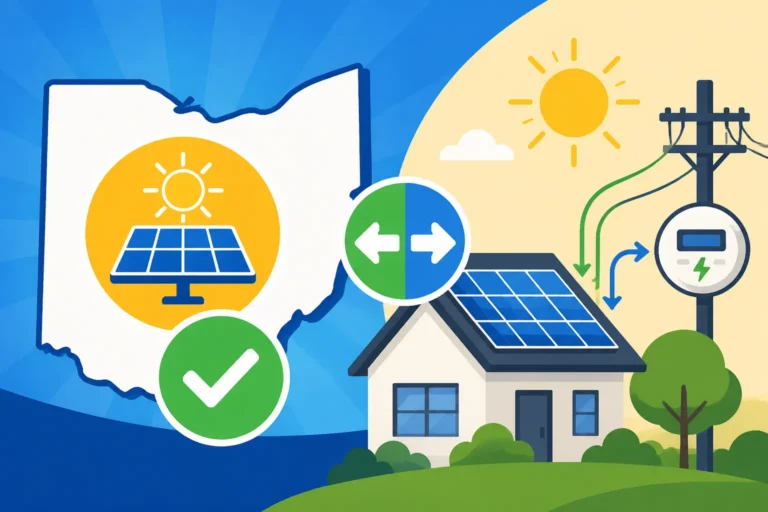
Ohio net metering policies in 2026 for investor-owned utilities explain how solar credits offset monthly electricity bills.
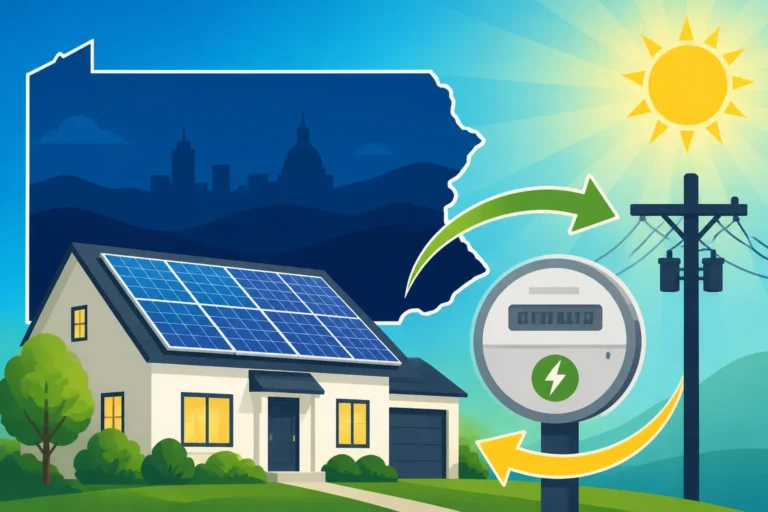
Pennsylvania net metering policy in 2026 provides homeowners a one-to-one retail credit system for excess solar energy sent to utilities.
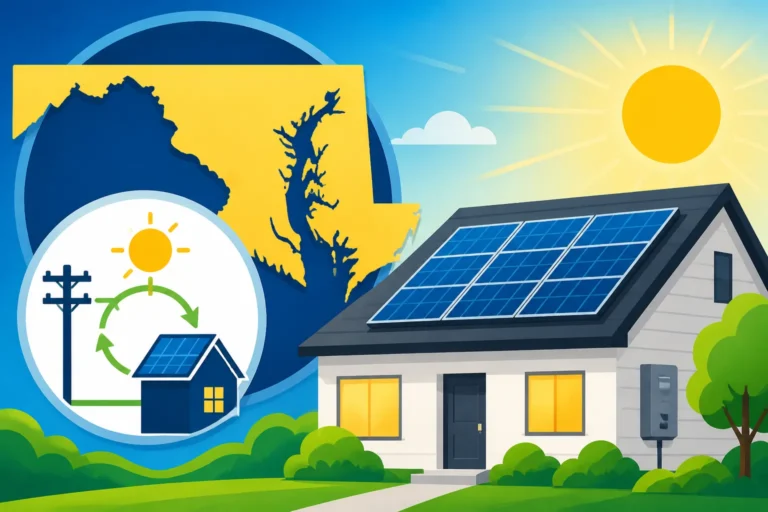
Maryland net metering in 2026 provides 1:1 retail credits for BGE and Pepco solar owners, ensuring bill savings.