Solar ROI & 25-Year Savings Breakdown
Solar return on investment and twenty-five year savings explain home energy costs, property value increases, and system profitability.
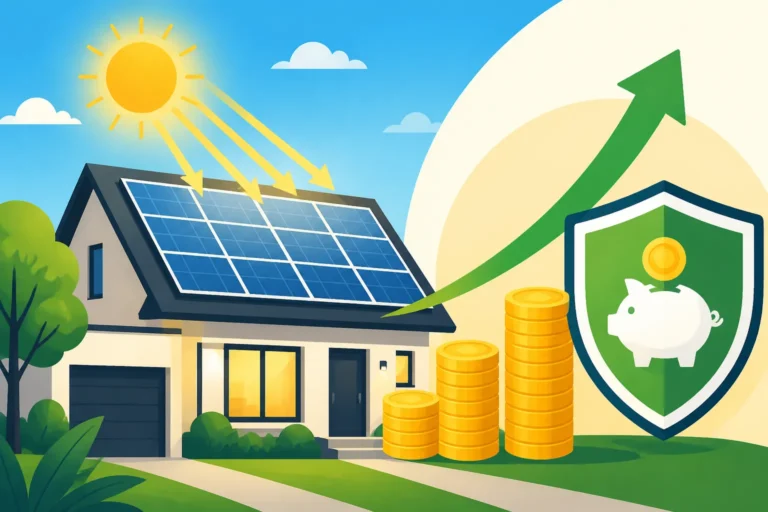
Solar return on investment and twenty-five year savings explain home energy costs, property value increases, and system profitability.
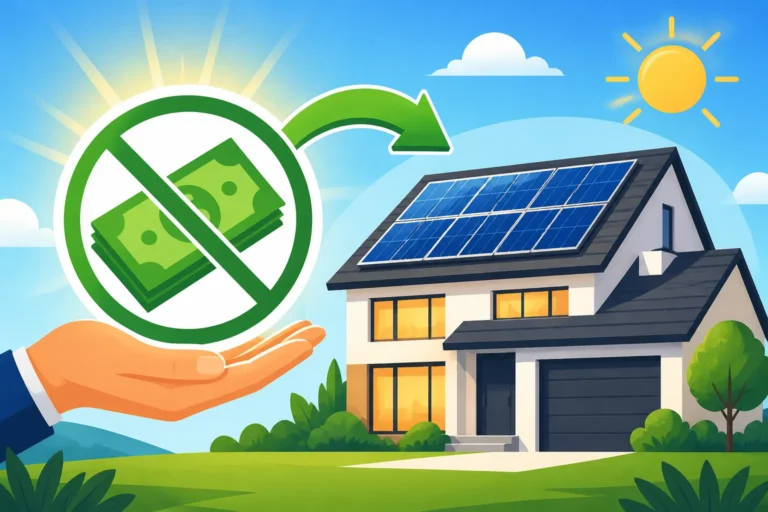
Zero down solar financing allows homeowners to install solar panels without upfront costs through loans, leases, or Power Purchase Agreements.
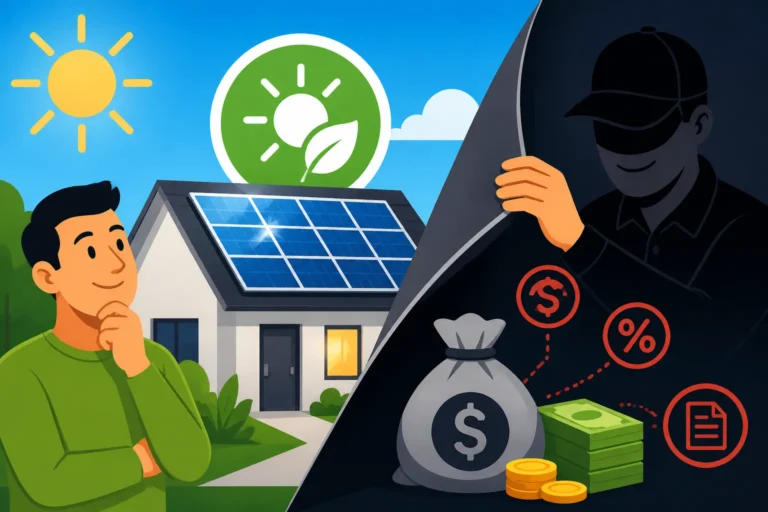
Solar dealer fees are origination charges passed to homeowners, adding up to thirty percent to the total system cost.
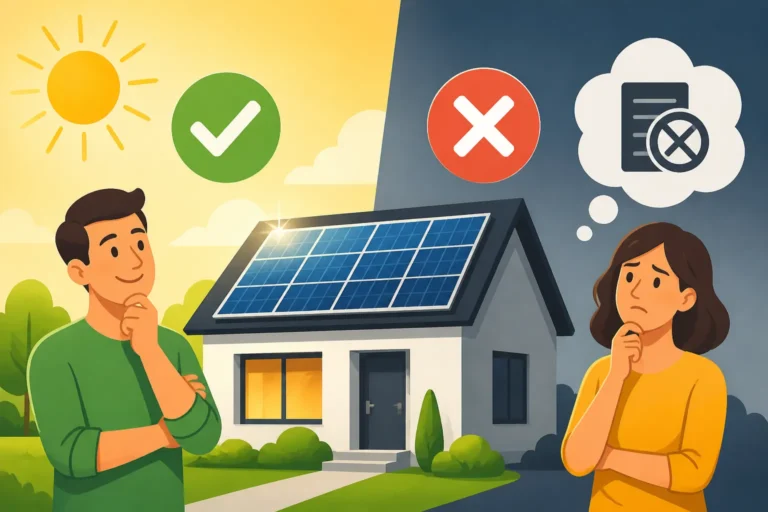
Residential solar panel investment remains financially viable because the thirty percent federal tax credit extends through 2032.
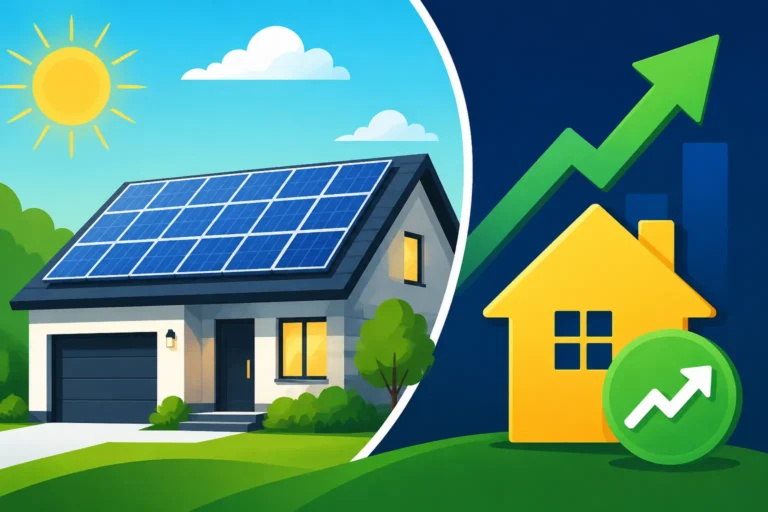
Solar panel installation data and Berkeley Lab research explain how owned photovoltaic systems increase real estate selling prices.
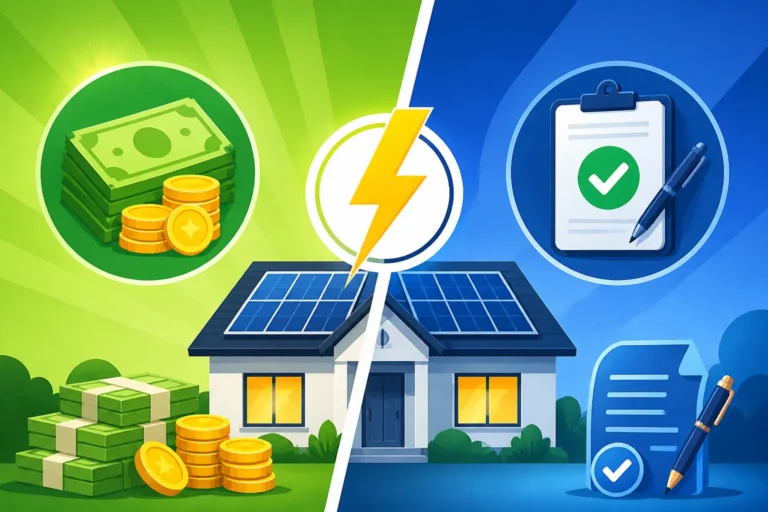
Cash purchases and solar financing methods are compared using federal tax credits to show homeowners which option saves more money.
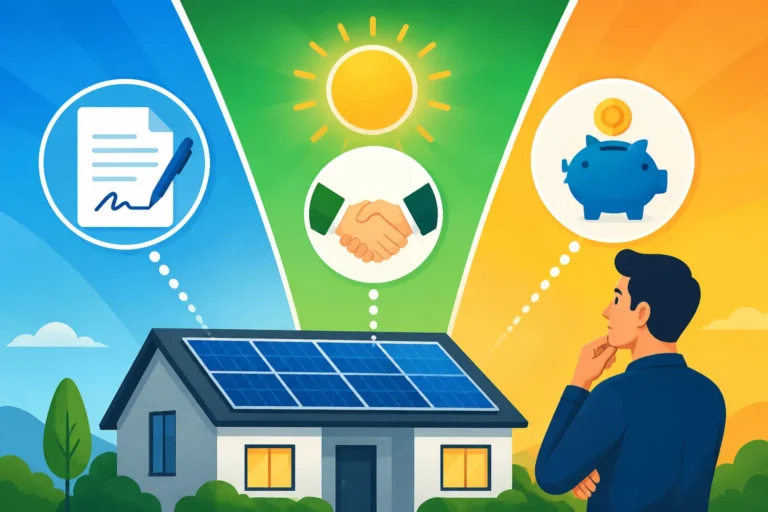
Solar lease, PPA, and outright purchase options are compared, detailing monthly fees and equipment ownership to help homeowners choose.
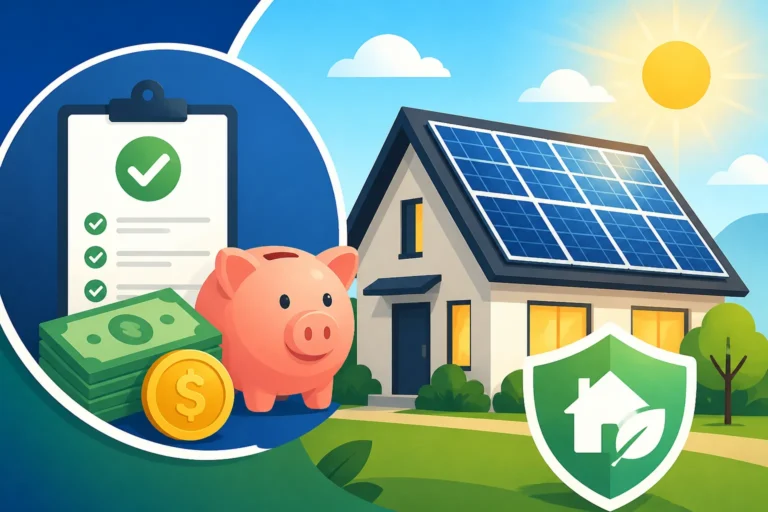
Solar loans provide funds to purchase renewable energy systems, enabling immediate ownership, reduced utility bills, and federal tax credits.
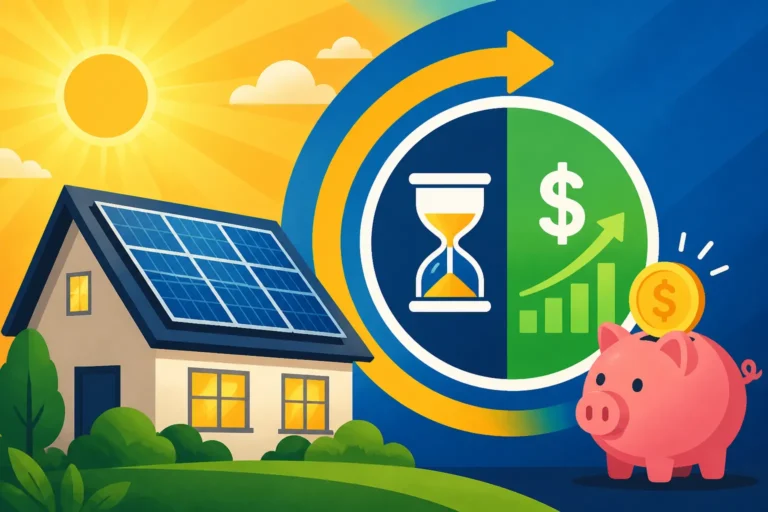
Solar panel payback period calculations use upfront installation costs, electricity savings, and financial incentives to determine return timelines.
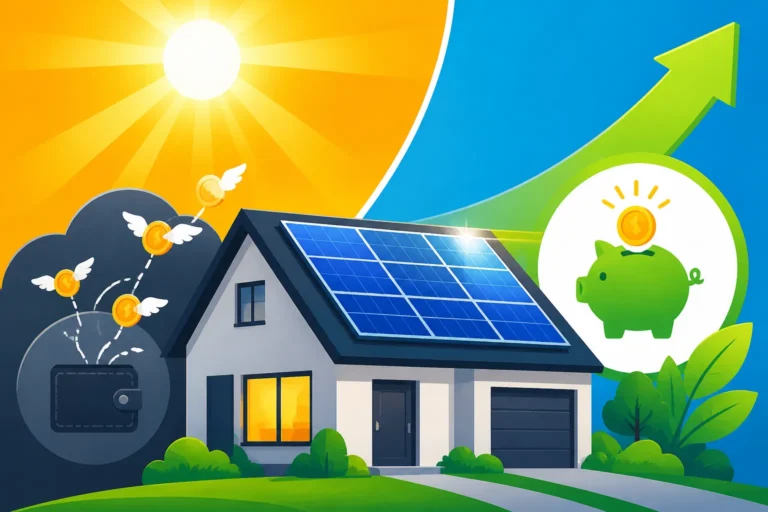
Solar panel installation costs and federal tax credit rules for 2026 help homeowners evaluate potential financial savings.