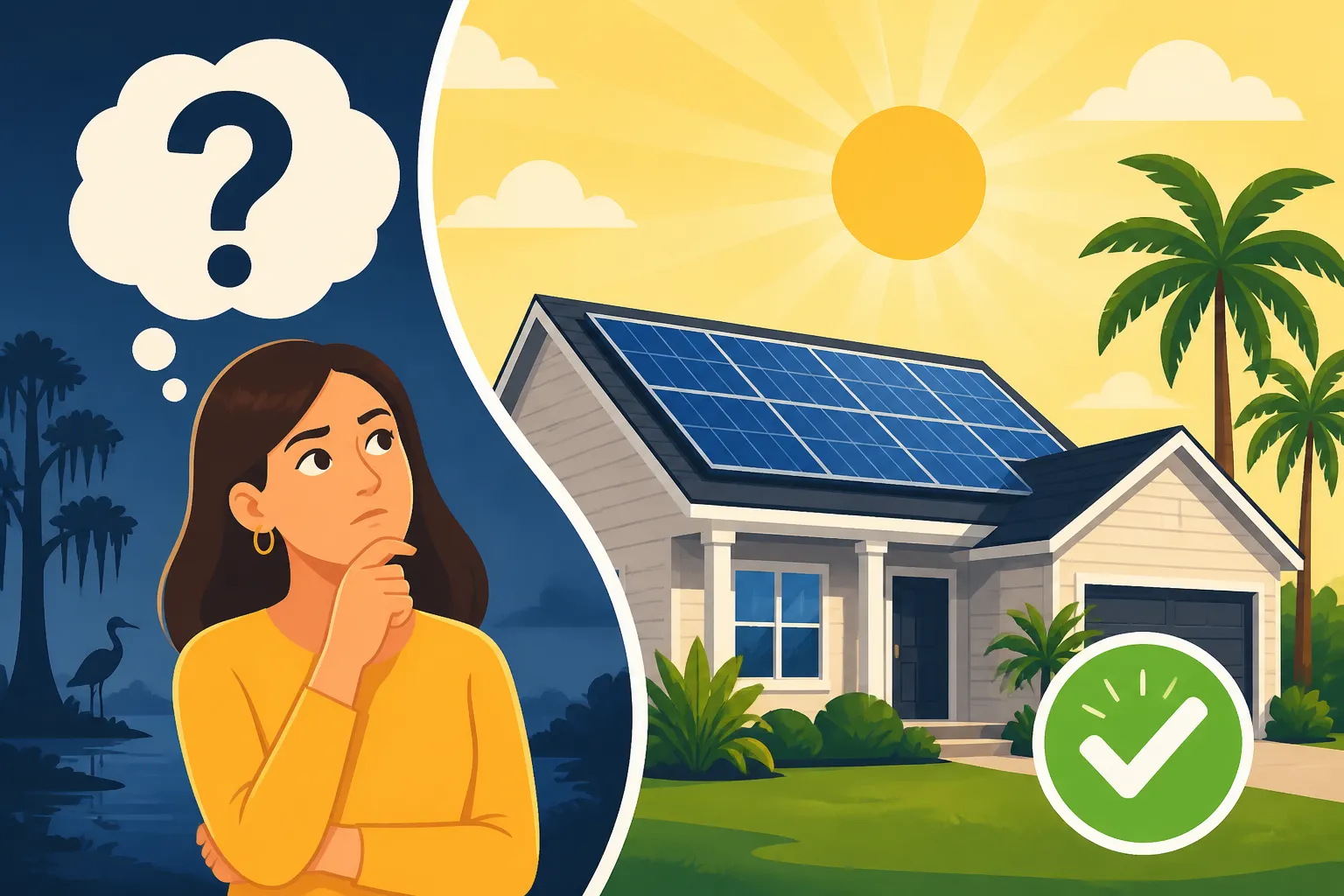
Is Solar Worth It in Louisiana?
Living in Louisiana, you're no stranger to high utility bills, especially when that summer humidity hits and the AC works overtime. You've probably also experienced the frustration of power outages, perhaps after a particularly rough hurricane season, leaving you wondering if there's a better, more reliable way to power your home. This guide will dive deep into whether investing in solar panels truly makes sense for homeowners in the Pelican State, examining the costs, benefits, and local factors that influence your potential savings and energy independence.
Louisiana's Unique Energy Landscape and Challenges
Louisiana presents a very specific set of circumstances for homeowners considering solar power. It's not just about sunshine; it's about grid stability, utility rates, and the impact of the climate. Understanding these factors is the first step in deciding if solar is a smart move for your home.
High Electricity Usage and Costs
Let's be honest, staying comfortable in Louisiana means a lot of air conditioning for a good chunk of the year. This heavy reliance on cooling appliances translates directly into higher electricity consumption compared to many other states. According to recent data, Louisiana's average electricity rates hover around 13-14 cents per kilowatt-hour (kWh), which, while not the absolute highest in the nation, can still lead to hefty monthly bills when coupled with high usage. Imagine getting that eye-watering bill in August – it's enough to make anyone look for alternatives. Solar panels offer a way to generate your own power, directly offsetting these costs and giving you a sense of control over your energy budget.
Grid Reliability and Hurricane Vulnerability
Perhaps one of the most pressing concerns for Louisiana residents is the stability of the power grid, especially during hurricane season. Tropical storms and hurricanes can wreak havoc, leading to widespread and prolonged power outages that can last for days, or even weeks, in severe cases. This isn't just an inconvenience; it can be a real safety issue, affecting everything from food preservation to medical equipment. Traditional grid-tied solar systems won't keep your lights on during an outage unless they're paired with a reliable battery storage system. For many in Louisiana, the promise of backup power is just as appealing, if not more so, than the monthly savings. This added resilience is a significant factor in determining if solar is worth it for your peace of mind.
Exploring Louisiana's Solar Incentives and Regulations
The financial viability of solar panels hinges heavily on available incentives and how your utility company handles excess power. Louisiana has seen changes over the years, so it's vital to understand the current landscape.
State and Local Solar Incentives
While Louisiana used to have a generous state tax credit for solar, that program has unfortunately expired. This is a common frustration for many who remember the stronger incentives of the past. However, that doesn't mean the well has run dry. The big one that still exists, and is a game-changer for most homeowners, is the federal solar tax credit, officially known as the Investment Tax Credit (ITC). This credit allows you to deduct a significant percentage of your solar installation cost from your federal taxes. Currently, it's set at 30% for systems installed through 2032, which is a substantial saving right off the top.
Beyond the federal incentive, local programs can vary. Some cities or parishes might offer property tax exemptions for the added value of solar panels, meaning your property taxes won't immediately jump just because you've made a smart home improvement. It's always worth checking with your local tax assessor's office to see what specific exemptions or abatements might apply in your area. Additionally, some utilities might offer small rebates, though these are typically much smaller than the federal credit. To find out about these, you might need to do some digging on your specific utility provider's website, or an experienced solar installer can often help uncover these localized benefits. You can learn more about general options in our guide on Federal Solar Incentives That Still Exist in 2026.
Net Metering in Louisiana
Net metering is a crucial policy that allows homeowners to send excess electricity generated by their solar panels back to the grid in exchange for credits on their utility bill. Essentially, your meter spins backward when you're producing more than you're using. For a long time, Louisiana had robust net metering policies that offered full retail rate credits, making solar very attractive.
However, the landscape has shifted. The Louisiana Public Service Commission (LPSC) has moved away from full retail net metering for new solar customers. While existing customers often remain grandfathered into older, more favorable terms, new installations now typically fall under a revised policy. This new policy often involves an "avoided-cost" rate, meaning the utility pays you for your excess power at a lower rate than what you pay to buy electricity from them. This change can impact your overall savings and extend your Solar Panel Payback Period Explained.
For example, if you pay 13 cents/kWh to buy electricity, but your utility only credits you 4 cents/kWh for the power you send back, that's a significant difference. This makes sizing your system accurately even more critical – you want to generate enough to cover your own usage without sending too much cheap power back to the grid, unless you have a battery to store it. Many homeowners are now finding that pairing solar panels with a Solar Plus Battery Cost becomes a more appealing option to maximize self-consumption and retain the value of their generated electricity, especially with brands like Tesla Powerwall or Enphase IQ Battery becoming more common for home energy storage. For a deeper dive into how this system works across states, check out our article on Net Metering Explained: How It Works by State.
Here's a simplified look at how Louisiana's net metering compares to traditional full retail:
| Feature | Traditional Full Retail Net Metering | Louisiana's Current Approach for New Systems |
|---|---|---|
| Credit for Excess Power | Full retail rate (what you pay to buy) | Avoided-cost rate (lower than retail) |
| Bill Impact | Significant reduction, often near $0 | Reduction, but may still have a bill for grid access and cheap export rates |
| Battery Incentive | Less critical for maximizing value | Highly beneficial for maximizing self-consumption and hedging against low export rates |
| System Sizing Strategy | Can oversize slightly and still benefit | Aim for closer to 100% of your own usage, or add a battery |
Calculating Solar's Value in Louisiana for Your Home
So, with the changing incentives and unique challenges, how do you figure out if solar is genuinely worth it for your specific situation in Louisiana? It boils down to a few key factors and understanding the long-term financial picture.
Factors Influencing Your Return on Investment
Several variables will directly impact how quickly your solar system pays for itself and how much you save over its lifespan. It's not a one-size-fits-all equation.
- Your Electricity Consumption: This is perhaps the most significant factor. If you have consistently high electric bills (think $150+ per month), you have more to save. A household with lower consumption will naturally see smaller monetary savings, though the percentage of their bill offset could still be substantial. The larger your energy appetite, the more impactful solar can be. This often means carefully assessing your past 12-24 months of utility bills to get an accurate picture.
- Roof Suitability: Not all roofs are created equal for solar. A south-facing roof with minimal shading from trees or other structures is ideal. East and west-facing roofs can also be effective, but north-facing roofs are generally less productive. The condition and age of your roof are also critical. If your roof is nearing the end of its life, it's often more cost-effective to replace it before installing solar panels. You wouldn't want to remove and reinstall them just a few years later. Our guide on Roof Considerations for Solar Panels can help you assess your roof's readiness.
- System Size and Cost: The total How Much Do Solar Panels Cost? 2026 Guide is influenced by the number and type of panels, inverter technology (microinverters vs. string inverters), and whether you include battery storage. A larger system costs more upfront but generates more electricity. Finding the sweet spot where your generation closely matches your consumption, especially with the current net metering rules, is key.
- Financing Method: How you pay for your solar system dramatically impacts your overall costs and savings.
- Cash Purchase: This offers the highest return on investment and shortest payback period, as you avoid interest charges and dealer fees. You get the full benefit of the federal tax credit directly.
- Solar Loan: Most homeowners opt for solar loans. These allow you to go solar with little to no money down, spreading the cost over many years. However, you'll pay interest, and some loans come with "dealer fees" that inflate the upfront cost, so it's essential to understand the true Annual Percentage Rate (APR). For more on this, consult our Solar Loans: Complete Guide.
- Lease or Power Purchase Agreement (PPA): These involve a third party owning the system on your roof, and you pay them a fixed monthly fee or a set rate per kWh. While they offer $0 down options and no maintenance worries, you don't own the system, so you don't get the federal tax credit or the full increase in home value. In Louisiana, with reduced net metering benefits, these options might offer less compelling savings compared to ownership.
Typical Payback Periods and Lifetime Savings
Despite the changes in net metering and the expiration of the state tax credit, solar can still be a strong financial investment in Louisiana. Many homeowners report a solar payback period in Louisiana ranging from 8 to 13 years, depending heavily on their upfront costs, energy usage, and local utility rates. With solar panels typically warrantied for 25 years or more (and often lasting even longer), that means you could enjoy 12-17+ years of virtually free electricity after your system has paid for itself.
Over the 25-30 year lifespan of a solar energy system, the lifetime savings for a typical Louisiana homeowner could easily range from $25,000 to $50,000 or more, especially considering that electricity rates are likely to continue their upward trend. Even if you don't stay in your home for the entire payback period, solar panels are proven to Do Solar Panels Increase Home Value? in most markets, often by a significant margin, helping you recoup much of your investment at the time of sale. This makes solar an asset, not just an expense.
Overcoming Challenges and Making an Informed Decision
Going solar in Louisiana isn't without its hurdles, but with the right approach, you can navigate them successfully and ensure a positive outcome.
Mitigating Hurricane Risks and Ensuring Resilience
The concern about hurricanes and solar panels is completely valid in Louisiana. No one wants their investment flying off the roof during a Category 3 storm. The good news is that modern solar installations are designed to be incredibly robust. Installers in hurricane-prone regions like Louisiana adhere to strict building codes and use heavy-duty mounting hardware that can withstand significant wind loads. They're typically engineered to handle hurricane-force winds, often exceeding local requirements.
However, as mentioned, a standard grid-tied solar system will shut down during a power outage for safety reasons (to prevent back-feeding the grid while utility workers are making repairs). This is where a Do I Need a Battery With Solar? comes into play. Installing a solar battery, like those from LG Chem or Generac PWRcell, allows your solar panels to continue producing power during an outage and store it for later use. This means you can keep essential appliances running – your refrigerator, lights, a fan, and even your internet – providing crucial comfort and safety when the grid is down. The added cost of a battery system does increase your upfront investment, but for many in Louisiana, the peace of mind and energy independence it provides is priceless.
Finding Reputable Installers and Getting the Best Deal
The solar industry has seen rapid growth, and with that comes a wide range of companies, from highly professional to less-than-scrupulous operators. This is where your due diligence becomes paramount. The biggest frustration for homeowners often comes from high-pressure sales tactics or confusing quotes.
- Get Multiple Quotes: This is non-negotiable. Always get at least three, and ideally five, quotes from different solar installers. This allows you to compare pricing, equipment, warranties, and proposed system designs. Different companies might offer different brands of panels (like Qcells or REC Solar), inverters (Enphase or SolarEdge), and batteries, all with varying efficiencies and price points.
- Check Credentials and Reviews: Ensure installers are licensed and insured in Louisiana. Look for certifications from organizations like the North American Board of Certified Energy Practitioners (NABCEP). Read online reviews on platforms like Google, Yelp, and the Better Business Bureau. Pay attention to both positive and negative feedback, especially regarding customer service and post-installation support.
- Understand Your Contract: Don't rush into signing anything. Read the contract carefully, understanding all terms, conditions, warranties (for equipment and labor), and the specific details of your financing. Ask questions about everything you don't understand.
- Utilize Comparison Services: Services like Modernize can be incredibly helpful here. They connect homeowners with multiple vetted solar installers in their area, streamlining the process of getting competitive quotes and avoiding the hassle of finding companies one by one. This can save you a lot of time and ensure you're getting a fair comparison. Our guide on How to Choose a Solar Installer offers even more tips.
Choosing the right installer and equipment is a huge part of ensuring your solar investment is worth it in the long run. A well-designed and properly installed system, backed by solid warranties, will provide decades of clean energy and savings.
Disclaimer
Please note that this content is intended for informational purposes only and does not constitute financial, tax, or legal advice. Solar incentives, policies, and product availability can change frequently. It is highly recommended to consult with local solar professionals, tax advisors, and your utility company to get the most accurate and up-to-date information for your specific situation in Louisiana.