Can You Install Solar on an Old House?
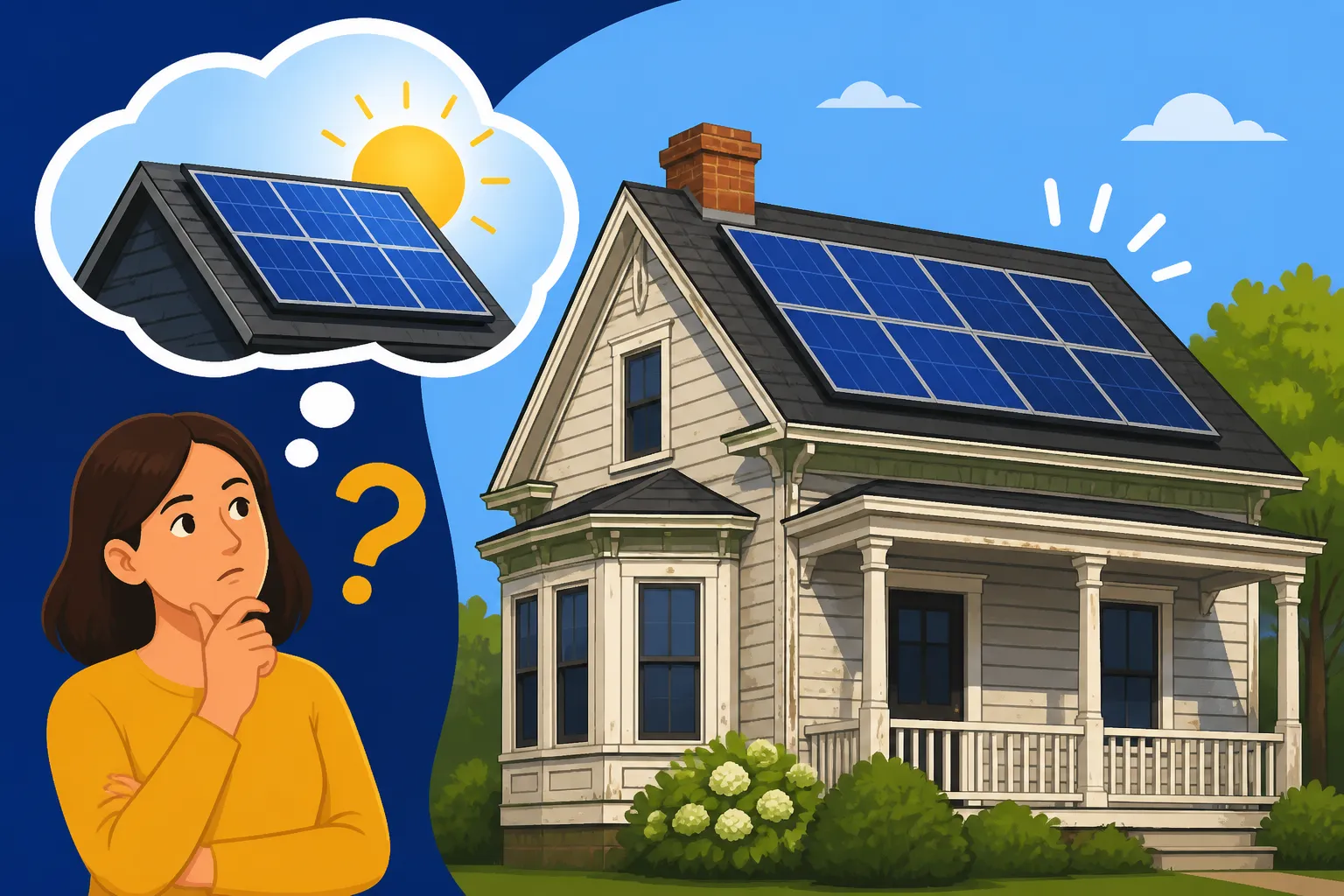
It’s a common worry for many homeowners with older, charming houses: can your beautiful, perhaps historic, abode truly embrace modern solar panels without compromising its character or structural integrity? The good news is that for most older homes, the answer is a resounding yes! This guide will walk you through the specific considerations, potential hurdles, and essential steps to successfully bring solar energy to your cherished old house, ensuring you can enjoy clean energy while preserving its unique appeal.
Assessing Your Old Home's Solar Readiness
Before you get too excited about slashing your electricity bills, the very first step is to genuinely assess if your older home is a good candidate for solar. This isn't just about how much sun your roof gets; it's about the bones of the house itself. You'd be surprised what a good solar installer can work with, but understanding the potential challenges upfront will save you headaches down the line.
Roof Condition and Age
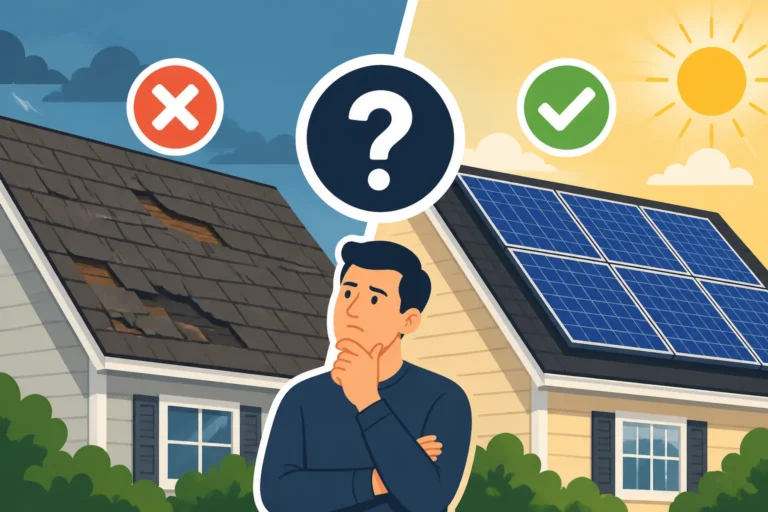
Let's face it, the roof on an older house has seen some things. It's crucial to evaluate its current state. If your asphalt shingle roof is already curling, missing shingles, or showing significant wear, installing solar panels on top of it might not be the wisest move. Solar panels are a long-term investment, often lasting 25 to 30 years, and you don't want to have to remove them to replace your roof just a few years down the line.
A good rule of thumb is that if your roof has less than 5-10 years of life left, it’s probably better to consider a full roof replacement before solar installation. This might seem like a big extra cost, but doing it beforehand can save you significant money in the long run. Imagine paying to have your solar panels removed and then reinstalled for a roof replacement – that's a cost you definitely want to avoid! Many solar companies partner with roofing contractors or can recommend trusted professionals. You might find this insight helpful when considering if you need a new roof before solar.
Structural Integrity
Older homes, while often built like fortresses, sometimes have surprising structural quirks. The added weight of solar panels, while not excessive, needs to be accounted for. Standard solar panels weigh about 3-4 pounds per square foot, which is usually well within a typical roof's capacity, but it's always best to be sure. This is where a professional site survey becomes invaluable.
A structural engineer or an experienced solar installer will evaluate your roof's framing, trusses, and overall condition to ensure it can safely support the solar array. They'll look for signs of rot, water damage, or sagging that might compromise the roof's ability to bear the load. If minor reinforcements are needed, these can often be done quite affordably as part of the overall installation project. Don't skip this step; a compromised roof could lead to major safety and damage issues.
Electrical System Compatibility
Many older homes come with electrical systems that were designed for a different era – before air conditioning was standard, let alone electric vehicles or smart home devices. Your home's main electrical panel might be 100 amps or even 60 amps, whereas a modern solar system often requires a 200-amp service to handle the new electrical loads and safely connect to the grid.
Upgrading your electrical panel is a common part of the solar installation process for older homes. While it adds to the upfront cost, it's often a necessary safety upgrade that improves your home's overall electrical capacity and reliability. A qualified solar electrician will assess your current system during the initial consultation and recommend any necessary upgrades to ensure your solar panels integrate seamlessly and safely. This is also where the conversation about Permission to Operate (PTO) comes in, as your utility will need to approve the updated electrical connection.
Navigating Unique Challenges with Older Homes
Beyond the basic structural and electrical checks, older homes often present a few unique considerations that homeowners need to be aware of. These aren't necessarily deal-breakers, but they do require careful planning and often, a bit more patience.
Historical District Regulations and Aesthetics
If your home is in a designated historic district, or if you just deeply care about maintaining its original aesthetic, solar installation can feel like a tightrope walk. Many historic districts have strict regulations about exterior changes, including what's visible from the street. This can dictate where panels can be placed, what color the racking should be, or even if ground-mount solar is a more viable option.
The key here is early and thorough communication with your local historic preservation committee or zoning board. You might need to present detailed plans, including panel types and mounting solutions, for approval. Some homeowners opt for low-profile panels or systems that are less visible from the street. In certain cases, particularly strict districts might make rooftop solar challenging, but options like community solar might still be available if you can't install panels on your own roof. Don't be discouraged; many solutions exist for balancing preservation with sustainability.
Specific Roof Types and Materials
Older homes often boast unique and beautiful roofing materials that aren't as common today, like slate, clay tile, or even original wood shakes. While these materials add character, they can pose specific challenges for solar installation. Slate and tile roofs, for instance, are brittle and require specialized mounting techniques to avoid breakage during installation. Wood shakes might need careful assessment for fire safety and proper panel attachment.
Installers experienced with historic or specialized roofing materials are crucial here. They’ll use specific flashing techniques to prevent leaks and ensure the longevity of both your roof and your solar system. A reputable installer will be upfront about any additional costs associated with working on these materials. For instance, some companies, like Sunrun or Tesla Solar Roof, might have specific solutions or recommendations for challenging roof types, or they may simply recommend a different approach if the roof proves too difficult. You'll want to ask prospective installers about their experience with various roof materials when you're interviewing them.
Shading from Mature Trees or Adjacent Buildings
One of the great joys of an older neighborhood is often the mature tree canopy. While beautiful, these majestic trees can cast significant shade onto your roof, especially during different times of the day or year. Even a little bit of shade on a few panels can drastically reduce the output of an entire string inverter system. Similarly, tall adjacent buildings can also create shading issues.
Modern solar technology, like microinverters (such as those from Enphase) or power optimizers (like SolarEdge), can significantly mitigate the impact of shading. These technologies allow each panel to operate independently, so if one panel is shaded, it doesn't drag down the performance of the entire array. During a site survey, an installer will perform a detailed shade analysis to map out the sun's path and recommend the optimal panel placement and inverter technology to maximize your system's efficiency despite any shading. Sometimes, a little strategic tree trimming can make a huge difference, too.
Key Steps for a Successful Old House Solar Installation
Once you've assessed the challenges and determined that solar is indeed a viable path for your older home, the actual installation process has a few critical steps that homeowners of historic or aged properties should pay particular attention to.
Finding the Right Solar Installer
This is arguably the most important step, especially for an older home. You need an installer who isn't just good at putting panels on a new build, but who understands the nuances, potential fragilities, and unique requirements of older structures. Look for companies with a proven track record of working on historic or older homes. Don't be afraid to ask for references, specific examples of similar projects, and certifications.
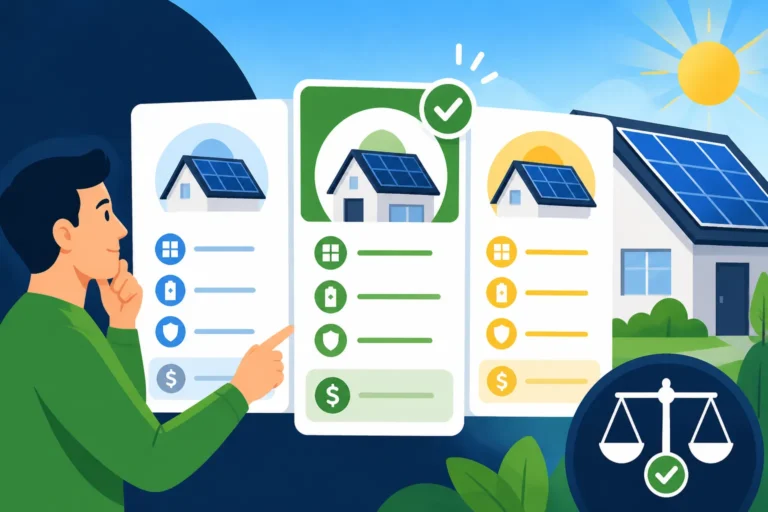
Getting multiple quotes is absolutely essential. Don't just go with the first company that gives you a good pitch. Compare not only prices but also the proposed equipment, warranties, and, crucially, their approach to dealing with the specific challenges of your home. Services like Modernize can be incredibly helpful for this, connecting you with pre-screened installers who have experience in your area and with various types of homes, including older ones. They can help you compare offers and ensure you're getting a solution tailored to your specific needs, not just a one-size-fits-all approach. Choosing the right installer can make all the difference between a smooth project and a nightmare.
Permitting and Inspections
For any solar installation, permitting is a necessary hurdle. For older homes, particularly those in historic districts, this can be more involved. You might need to get approvals from multiple local departments – planning, building, and potentially historic preservation. Each jurisdiction has its own rules, and what's allowed in one town might be forbidden in another.
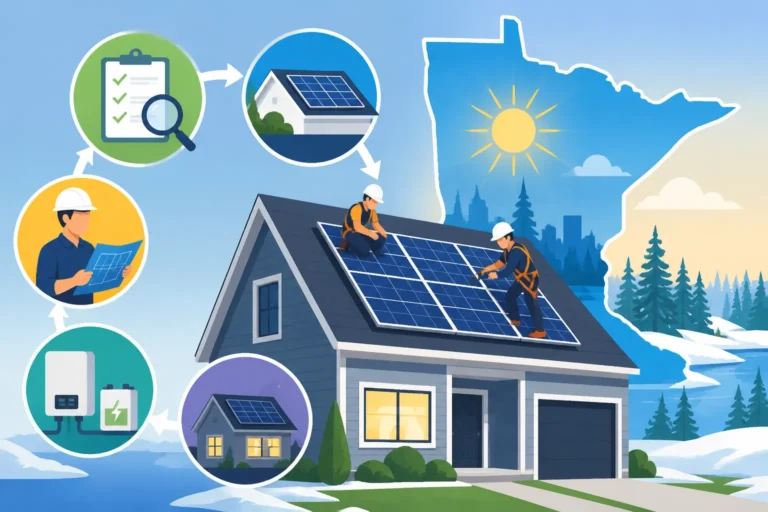
Your chosen solar installer should handle all the permitting paperwork on your behalf. They are typically well-versed in local regulations and can navigate the bureaucracy. Be prepared for a potentially longer permitting timeline compared to newer construction, especially if special approvals are required. After installation, various inspections will occur, including structural, electrical, and a final utility inspection to grant Permission to Operate (PTO), allowing your system to officially connect to the grid. Patience and good communication with your installer during this phase are key.
Financing Options and Incentives
Even for an older home, the financial benefits of solar can be significant. While the federal solar tax credit (Investment Tax Credit) is a major incentive, there are many others that can make solar more affordable. Many states offer their own solar incentives, such as rebates, property tax exemptions, or even performance-based incentives (PBIs) like Solar Renewable Energy Credits (SRECs) in markets like New Jersey or Massachusetts. You can often find information on State Solar Incentives: Complete 2026 Guide to see what's available in your area.
Financing options are also plentiful. You can choose to pay cash, take out a solar loan, or consider a solar lease or Power Purchase Agreement (PPA). Each has its pros and cons, and the best choice depends on your financial situation and long-term goals. For example, a solar loan might allow you to own the system outright, while a PPA can offer $0-down installation. It’s important to crunch the numbers and understand the Solar Loans: Complete Guide to see what makes the most sense for your budget and the long-term value of your home. Keep in mind that some financing might look less attractive if it includes hidden dealer fees.
| Feature / Consideration | New Construction Home | Older Home (Post-1950s) | Historic Home (Pre-1950s) |
|---|---|---|---|
| Roof Age & Condition | Typically new/excellent | May need assessment/replacement | Often specialized material; high likelihood of needing assessment/repair/replacement |
| Structural Support | Generally standard | Usually sufficient, but may need minor checks | Requires thorough structural engineer assessment; potential for reinforcement |
| Electrical Panel | 200 amp standard | May need 100-amp to 200-amp upgrade | High likelihood of needing full electrical system upgrade (e.g., knob-and-tube to modern) |
| Permitting Timeline | Standard (weeks) | Standard to slightly extended (weeks to 1-2 months) | Extended, often requires historic preservation board approval (months) |
| Aesthetic Concerns | Minimal | Low-profile options may be preferred | High priority; specific placement, panel type, and color often regulated |
| Roof Material | Asphalt shingle, metal | Asphalt shingle, metal, wood shake, tile | Slate, tile, wood shake, metal, asphalt shingle |
| Shading Issues | Varies by location | Varies; mature trees common | Varies; mature trees common in older neighborhoods |
| Installer Expertise | General solar installer | Experienced with older homes, roofing | Specialized in historic preservation, structural, and roofing techniques |
Maximizing Efficiency and Aesthetics
With an older home, balancing the practicality of solar energy with the desire to maintain its unique charm is paramount. Modern solar technology offers a lot of flexibility in this regard. Black-on-black solar panels, for example, blend more seamlessly with dark roof shingles than panels with silver frames and white backsheets. Low-profile mounting systems can also reduce the visual impact.
Furthermore, consider where your panels are placed. If your home has multiple roof planes, the installer can prioritize those less visible from the street, even if they aren't perfectly south-facing. While south-facing is ideal for maximum production, other orientations can still be highly effective, especially with the right inverter technology. For properties with ample yard space, a ground-mount system might be an excellent option to preserve the roof's aesthetic entirely while still harnessing solar power. The goal is to find a solution that not only produces abundant clean energy but also complements your home's enduring beauty.
The Long-Term Benefits for Older Homes
Beyond the immediate satisfaction of generating your own power, installing solar panels on an older home brings a host of long-term advantages that are especially pertinent to these properties. These benefits can significantly impact your wallet, your home's comfort, and its future value.
Increased Home Value and Marketability
One of the most frequently asked questions is, "Do Solar Panels Increase Home Value?" The answer is a resounding yes, especially for owned systems. For older homes, this can be a particular boon. A well-maintained older home with a modern, owned solar system is often seen as a highly desirable asset in today's housing market. It combines the charm and character of an established property with the cost savings and environmental benefits of new technology.
Prospective buyers are increasingly looking for energy-efficient homes. An older home that has already made the leap to solar power removes a significant hurdle and potential upgrade cost for future owners. Studies have shown that homes with solar panels sell faster and for more money than comparable homes without them, often recovering more than 100% of the system's cost. This makes solar a smart investment, enhancing your home's appeal and future resale value.
Reduced Energy Bills and Environmental Impact
This is, of course, the primary driver for most people going solar. Older homes, with their sometimes less-than-perfect insulation or original windows, can often have higher energy consumption. Installing solar panels offers a direct and powerful way to counteract these costs. By generating your own electricity, you dramatically reduce your reliance on grid power, leading to lower monthly utility bills that can often be locked in for decades. This financial predictability is a huge advantage, especially as electricity rates continue to climb.
Beyond the financial savings, you'll also be making a substantial positive impact on the environment. By switching to a clean, renewable energy source, you're reducing your carbon footprint and contributing to a healthier planet. This sense of environmental stewardship is deeply rewarding and aligns with the values of many homeowners who choose to invest in solar. Even older homes can become bastions of sustainability.
Long-Term Savings and Grid Independence
The beauty of solar is its longevity. Modern solar panels are built to last, often with performance warranties guaranteeing 80-85% of their original output even after 25 years. This means you'll be enjoying reduced electricity bills for decades to come. Think about what that means for your budget over time – potentially tens of thousands of dollars in savings that you can reinvest in your home or your family.
Furthermore, with the addition of a solar battery, your older home can achieve a greater degree of energy independence. While the upfront cost is higher, a battery system (like a Tesla Powerwall or Enphase IQ Battery) allows you to store excess solar energy generated during the day and use it at night or during power outages. This provides invaluable backup power, keeping essential appliances running when the grid goes down, a particularly comforting thought for homes that might already experience occasional reliability issues with older infrastructure. This extra layer of resilience can truly offer peace of mind.
Disclaimer
The information provided in this article is for general informational purposes only and does not constitute professional financial, legal, or energy advice. While we strive to provide accurate and up-to-date content, solar technology, incentives, and regulations are constantly evolving. It is always recommended to consult with qualified solar professionals, financial advisors, and local authorities to determine the best solutions for your specific situation and property.