How Much Do Solar Panels Cost for an Average Home?
It's completely normal to feel a bit lost when you start looking into solar panel costs. You hear all sorts of numbers thrown around, from a few thousand to tens of thousands of dollars, and it's hard to figure out what applies to your home. This guide is here to cut through that confusion, helping you understand what an "average" solar panel cost really looks like for a typical home and what factors truly influence that final price tag.
Defining "Average" for Solar Panel Costs
When we talk about the cost of solar panels for an "average home," it's easy to picture a standard 3-bedroom, 2-bath house with a perfectly south-facing roof. While that's a good starting point, the truth is, "average" is a moving target in the world of solar. What might be average in a sunny state like Arizona could be vastly different in, say, a cloudier region of the Northeast, not just in terms of sunlight but also local regulations, labor costs, and incentives.
Average Home Size and Energy Consumption
First off, let's consider what constitutes an "average home." In the U.S., the average single-family home size hovers around 2,000 square feet. However, square footage alone doesn't dictate electricity usage. A smaller, well-insulated home with energy-efficient appliances and mindful residents might use less electricity than a larger, older home with less insulation, an electric vehicle, and a penchant for cranking the AC.
The actual average electricity consumption for a U.S. residential customer is around 877 kilowatt-hours (kWh) per month. This figure is critical because the size of your solar panel system, measured in kilowatts (kW), is directly proportional to how much electricity you need to offset. If you're using closer to 1,200 kWh per month, you'll naturally need a larger and therefore more expensive system than someone using 600 kWh, even if your homes are the same size. Understanding your household's unique energy footprint is the first step in estimating your solar needs and, subsequently, your cost.
Average Solar System Size
Given average energy consumption, most homes installing solar panels in the U.S. fall into a system size range of 6 kW to 10 kW. A 6 kW system might be suitable for a smaller home with moderate energy use, while a 10 kW system could easily cover the needs of a larger family with higher electricity demands or a desire to offset almost 100% of their grid usage. For instance, a typical 2,000-square-foot home consuming around 10,000 kWh annually might need a 7 kW to 8 kW system to cover most of its electricity needs, depending on local sunlight conditions. This system size directly impacts the overall price you'll pay, as the cost is often calculated per watt or per kilowatt. You can learn more about how system size affects the budget in our guide to Solar Panel Cost by System Size (kW).
Breaking Down the Typical Solar Panel Cost for an Average Home
Let's get down to the numbers. While prices fluctuate, the average cost for a residential solar panel system in the U.S. typically ranges from $15,000 to $30,000 before any incentives. This can break down to anywhere from $2.50 to $3.50 per watt. It’s important to remember that this is a gross cost, meaning before any tax credits, rebates, or other financial incentives are applied. These incentives can significantly reduce your out-of-pocket expenses, making solar much more accessible.
Components of a Solar System's Price Tag
When you receive a quote for solar panels, it’s not just the panels themselves that contribute to the cost. There's a whole ecosystem of equipment and services involved:
- Solar Panels: These are the most visible component. The type, brand, efficiency, and warranty of the panels chosen will impact the price. High-efficiency monocrystalline panels, for example, tend to be more expensive than their polycrystalline counterparts, but they also produce more power in less space. You can explore options in our guide to the Best Solar Panels of 2026.
- Inverters: These critical devices convert the DC electricity generated by your panels into AC electricity usable by your home and the grid. You'll typically get either a string inverter, microinverters (one per panel), or power optimizers paired with a string inverter. Microinverters and optimizers generally add to the upfront cost but can offer better performance in shaded conditions.
- Mounting Hardware: This includes the racking system that securely attaches the panels to your roof. The type of roof (shingle, tile, metal, flat) can influence the complexity and cost of the mounting.
- Wiring and Electrical Components: All the cables, conduits, disconnects, and other electrical hardware needed to connect the system safely to your home's electrical panel and the utility grid.
- Labor Costs: This covers the skilled electricians and installers who design, install, and connect your system. Labor rates vary significantly by region and the complexity of the installation. Our article on Solar Installation Labor Cost dives deeper into this.
- Permitting and Interconnection Fees: Before installation can begin, your project needs approval from local building departments and your utility company. These permits and interconnection applications come with fees and can sometimes add to the timeline. Getting Solar Permitting & Interconnection PTO Explained is a whole journey.
Regional Cost Variations
The "average" cost can swing wildly depending on where you live. States with robust solar markets, high electricity rates, and strong state or local incentives often see lower overall costs per watt due to competition and established infrastructure. For example, the Solar Panel Cost in California might differ substantially from the Solar Panel Cost in Texas or Solar Panel Cost in Florida.
Factors like local permitting fees, labor rates, and even the availability of local installers can play a role. In areas with fewer solar companies, prices might be a bit higher. This is why it’s so crucial to get multiple quotes from installers in your specific area. Services like Modernize can help homeowners connect with vetted local solar companies, ensuring you get competitive bids tailored to your location and needs.
Factors That Significantly Influence Your Solar Panel Investment
While we've discussed the basic components and geographical differences, there are several other elements that can push your solar project's cost up or down. These are the details you'll discuss with your installer and that will ultimately shape your final investment.
Roof Condition and Type
Your roof is the foundation of your solar system, and its condition is a major cost factor. If your roof is old or needs significant repairs, it's almost always recommended to replace or repair it before installing solar panels. Doing so prevents the costly and disruptive process of removing and reinstalling panels just to fix the roof later. Installing solar on a brand new roof can significantly reduce future maintenance headaches and ensure the panels have a stable base for their 25+ year lifespan. Our guide, Do I Need a New Roof Before Solar?, covers this in detail.
The type of roofing material also matters. Asphalt shingles are generally the easiest and most cost-effective to install on. Tile roofs, slate, or metal roofs can require specialized mounting hardware and more intricate installation techniques, which can increase labor costs. Even your roof's pitch and complexity (e.g., multiple angles, dormers) can affect how many panels can fit and how challenging the installation will be.
System Efficiency and Brand Quality
Just like with cars or appliances, not all solar panels are created equal. High-efficiency panels, typically from premium brands like Maxeon (formerly SunPower) or REC, can produce more electricity from a smaller footprint. This can be a huge advantage if you have limited roof space or want to maximize energy production. However, these panels often come with a higher upfront cost.
Conversely, more budget-friendly brands like Jinko Solar or Canadian Solar still offer excellent performance and warranties, but might have slightly lower efficiency ratings. The choice often comes down to balancing your budget with your specific energy needs and roof constraints. While you might pay a bit more for premium panels, their enhanced performance and longer warranties can lead to greater savings over the system's lifetime. It's definitely worth understanding the nuances of Monocrystalline vs Polycrystalline Solar Panels and what separates Are Tier 1 Solar Panels Worth It?.
Incentives, Rebates, and Financing Options
This is where the "average" cost can really transform. The U.S. federal solar tax credit, known as the Investment Tax Credit (ITC), is a significant incentive that allows you to deduct a percentage of your solar system's cost from your federal taxes. In 2026, it is still a substantial 30% credit for owned systems. Beyond federal incentives, many states and local utilities offer their own programs, such as state tax credits, cash rebates, or Solar Renewable Energy Credits (SRECs). These incentives can dramatically reduce the net cost of your system.
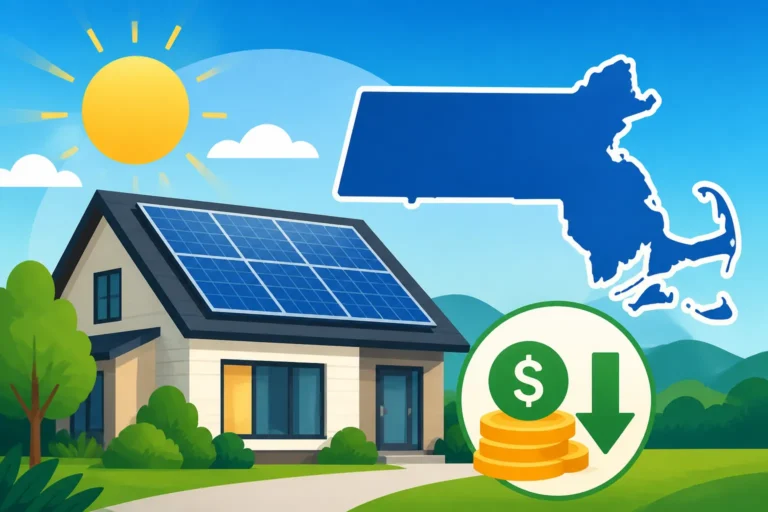
For example, New York offers its own state solar tax credit, and states like Massachusetts have programs like the Massachusetts SMART Program Explained which provide ongoing payments for solar energy production. Understanding these local programs is key to accurately calculating your final out-of-pocket expense.
When it comes to financing, you typically have options like cash purchases, solar loans, or solar leases/Power Purchase Agreements (PPAs).
- Cash purchase: Generally offers the best long-term return on investment, as you own the system outright and benefit fully from incentives.
- Solar loans: Allow you to own the system without a large upfront payment, but you'll pay interest. Be aware of hidden costs like "dealer fees" that can inflate loan amounts. Our guide to Solar Loans Complete Guide explains this.
- Leases/PPAs: Involve a third party owning the system on your roof, and you pay a fixed monthly rate for the electricity it produces. These often require no upfront cost but offer fewer financial benefits than owning. You can explore the differences in Solar Lease vs PPA vs Buy Which Is Best?.
Many homeowners combine incentives with financing to make solar affordable. When you're gathering quotes, be sure to ask installers to break down the costs before and after all applicable incentives. Companies like Modernize can help you compare these different financing structures and incentives side-by-side from various installers.
Example Cost Breakdown for an Average 8 kW System
Let's illustrate with a hypothetical 8 kW system, which is a common size for an average American home.
| Component / Factor | Typical Range (Pre-Incentives) | Notes |
|---|---|---|
| System Size | 8 kW (8,000 watts) | Suitable for a 1,800-2,500 sq ft home with average consumption (800-1,100 kWh/month) |
| Cost Per Watt | $2.70 – $3.30 | Varies by location, installer, equipment quality. Lower in competitive markets. |
| Gross System Cost | $21,600 – $26,400 | Total cost before any incentives. |
| Federal ITC (30%) | -$6,480 – -$7,920 | Non-refundable tax credit. Reduces tax liability. |
| State/Local Incentives | -$500 – -$3,000+ | Varies wildly. Could include cash rebates, SRECs, state tax credits, etc. |
| Net System Cost (After Incentives) | $14,620 – $18,480 | This is your out-of-pocket cost if paid in cash and you qualify for all incentives. |
| Added Battery Storage | $10,000 – $18,000 | If you opt for a solar battery like a Tesla Powerwall or Enphase IQ Battery, this is an additional cost. |
Please note: These are illustrative figures and actual costs will vary based on your specific circumstances, location, chosen installer, and current market conditions.
This table demonstrates how incentives can bring down the price considerably. While the gross cost might seem daunting, the net cost after factoring in the federal tax credit and any local programs makes solar a much more feasible investment for many families.
How to Get the Most Accurate Cost Estimate for Your Home
The best way to understand the cost of solar for your average home isn't to look at national averages, but to get personalized quotes. Every home is unique, and so too will be its solar solution.
Gather Multiple Quotes from Reputable Installers
This is perhaps the single most important step in figuring out your solar cost. Contact at least three to five different solar companies in your area. Reputable installers will offer a free consultation, assess your roof, analyze your energy bills, and design a system tailored to your specific needs. They should also provide a detailed breakdown of costs, equipment, warranties, and estimated savings.
When comparing quotes, don't just look at the bottom line. Pay attention to:
- Cost per watt: This is a good metric for comparing apples to apples across different system sizes.
- Equipment brands: Are they offering high-quality, efficient panels and inverters with strong warranties?
- Warranties: What are the product, performance, and workmanship warranties offered? Our guide to Solar Panel Warranties Explained can help.
- Customer reviews: What do previous customers say about their experience with the installer?
- Inclusions: Does the quote include all permitting fees, interconnection costs, and labor?
Using a platform like Modernize can streamline this process, allowing you to easily request quotes from several pre-vetted local installers. This competition among installers can often lead to better pricing and more comprehensive proposals.
Understand Your Energy Consumption and Goals
Before talking to installers, take some time to understand your own electricity usage. Look at your past 12 months of utility bills to get an average monthly and annual consumption. This information is invaluable for an installer to design a system that precisely meets your needs.
Also, consider your goals. Do you want to:
- Offset 100% of your electricity bill?
- Just cover a portion to reduce costs?
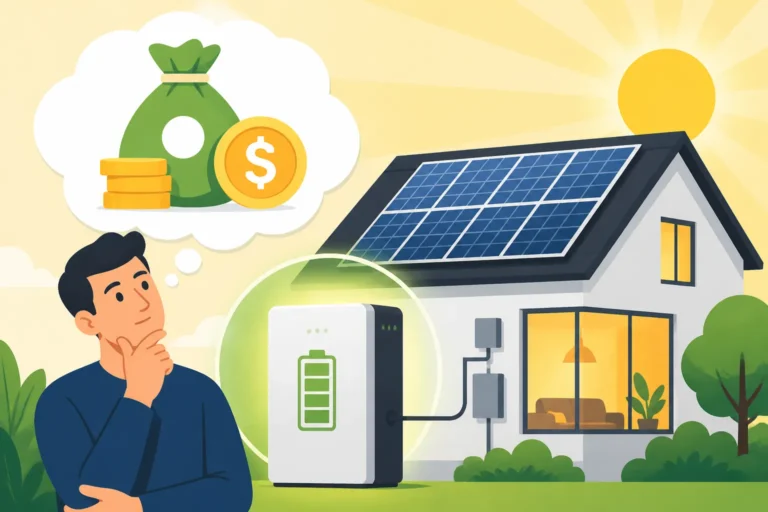
- Include battery storage for backup power during outages or to maximize self-consumption? (You can explore if Do I Need a Battery With Solar? is right for you.)
- Plan for future energy needs, like an electric vehicle or a heat pump?
Your goals will directly influence the system size and any additional components, which in turn affect the overall cost. For instance, adding a solar battery will increase your upfront investment but can offer greater energy independence and resilience.
Is Solar Worth the Cost for an Average Home?
For many homeowners, the answer is a resounding yes, especially when considering the long-term benefits. While the upfront investment can seem significant, the return on investment for solar panels can be substantial over the lifespan of the system.
Long-Term Savings on Electricity Bills
The most immediate and tangible benefit is the reduction or elimination of your monthly electricity bill. With panels typically lasting 25-30 years or more, you're locking in your electricity costs and protecting yourself from rising utility rates. Over decades, these savings can far exceed the initial investment, especially in states with high electricity prices like California or parts of the Northeast. Our article, How Much Can You Save With Solar Panels?, offers a detailed look at this.
Increased Home Value
Solar panels are considered a home improvement that can significantly increase your property value. Studies have shown that homes with solar typically sell for more and faster than comparable homes without solar. This added value can be a considerable benefit, especially if you plan to sell your home in the future. The specific increase can vary, but generally, it's a net positive. You can learn more about how solar impacts home value in Do Solar Panels Increase Home Value?.
Environmental Impact and Energy Independence
Beyond the financial benefits, going solar means reducing your carbon footprint and contributing to a cleaner, more sustainable future. You're harnessing clean, renewable energy directly from the sun, lessening your reliance on fossil fuels. For many, the peace of mind that comes with energy independence and contributing to environmental well-being is a valuable return in itself. It's about taking control of your energy future and reducing your impact on the planet.
Disclaimer
Please remember that the information provided in this guide is for general informational purposes only and should not be considered financial, tax, or legal advice. Solar costs, incentives, and regulations can change rapidly and vary significantly by location. Always consult with qualified solar professionals, financial advisors, and tax experts to determine the best course of action for your specific situation.