Solar Panel Cost in North Carolina
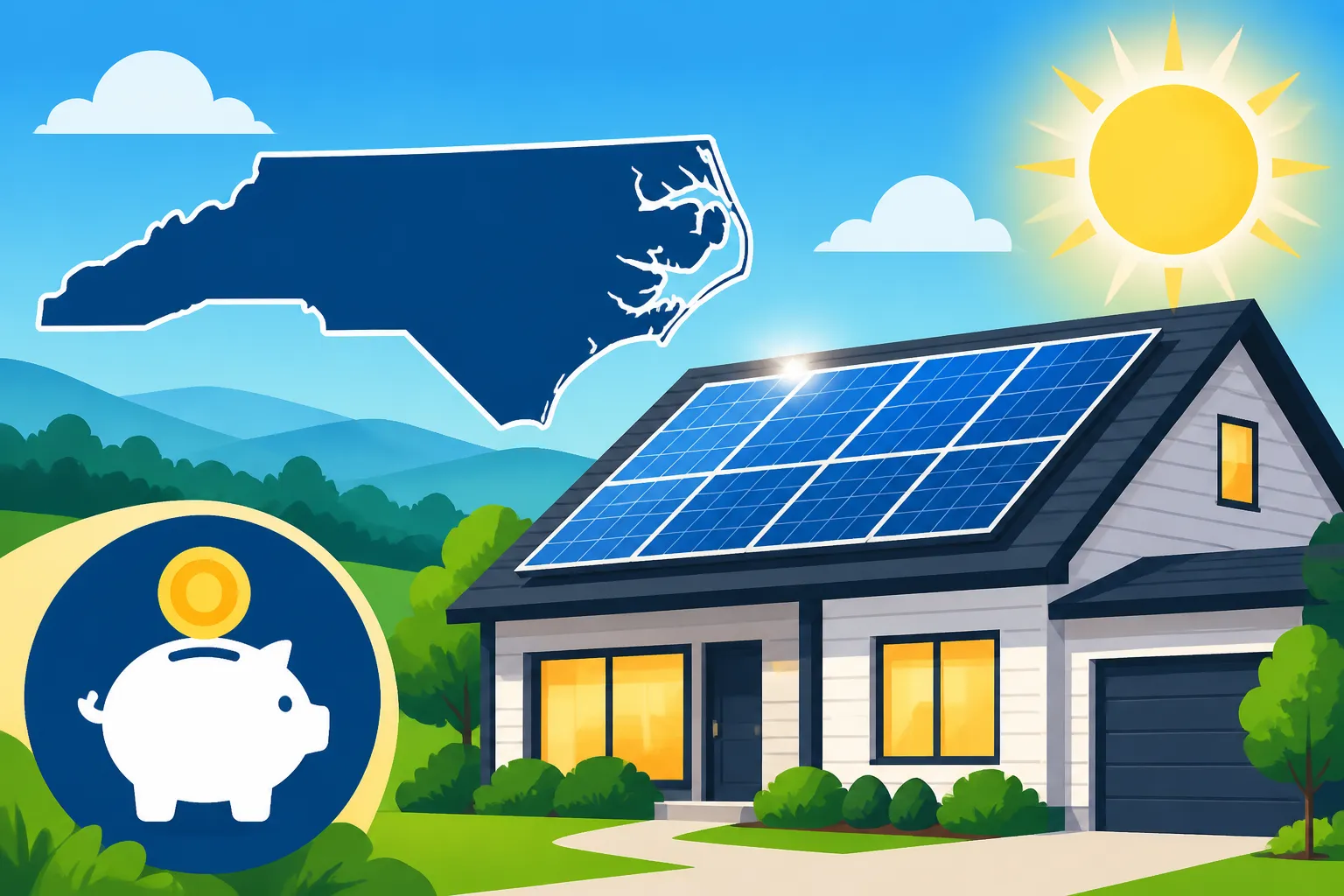
The dream of harnessing the sun's power to slash those ever-rising electricity bills is a powerful one, especially here in North Carolina where our beautiful sunny days seem tailor-made for solar. But let's be real, the first question on everyone's mind is usually, "How much does it actually cost?" It’s a big investment, and figuring out the real price tag for solar panels on your home in the Tar Heel State can feel like navigating a maze. This guide is here to cut through the confusion, giving you a clear, realistic picture of what you can expect to pay for solar in North Carolina.
Understanding the Average Cost of Solar in North Carolina
When you start looking into solar panels for your home in North Carolina, it's easy to get overwhelmed by conflicting numbers. You might see a national average, but our state has its own unique market, incentives, and utility rates that can significantly sway the final price. The truth is, there isn't one single "average" cost because every home and every system is different. However, we can certainly give you a solid ballpark figure to help you budget and understand the landscape.
Initial Investment for a Typical Home Solar System
For most North Carolina homeowners, a residential solar panel system typically ranges from 6 kilowatts (kW) to 12 kW in size. This range is usually sufficient to offset a significant portion, if not all, of an average home's electricity usage. Based on recent market data, the average cost for solar panel installation in North Carolina before any incentives is often in the ballpark of $2.50 to $3.50 per watt.
So, if you're looking at a common 8 kW system (that's 8,000 watts), you could be looking at an initial sticker price anywhere from $20,000 to $28,000 before any tax credits or rebates. It's a substantial sum, no doubt about it. But remember, this is just the starting point. Many financial mechanisms and incentives are designed to bring this number down considerably, making solar a much more accessible and appealing option for families from Asheville to Wilmington. You can learn more about the various components that make up this initial figure in our comprehensive guide on How Much Do Solar Panels Cost? 2026 Guide.
Factors Driving Solar Panel Costs in NC
The "average" cost is a good starting point, but your specific solar project will have its own unique price tag. Several factors play a significant role in determining the final cost of your solar panel system here in North Carolina. Understanding these can help you better interpret quotes and make informed decisions.
Firstly, the size of your system is paramount. A larger home with higher electricity consumption will naturally require more panels and a bigger system, leading to a higher overall cost. Conversely, a smaller home with efficient appliances might need a smaller, less expensive setup. The cost per watt generally decreases slightly with larger systems due to economies of scale, but the total investment will still be higher. Secondly, the type of equipment you choose makes a difference. Premium, high-efficiency panels or advanced inverter technologies like microinverters will cost more than standard options. While they might offer better performance or longer warranties, they come with a higher upfront price. For a deeper dive into how this unit cost is calculated, check out our article on Solar Panel Cost Per Watt Explained.
Beyond the hardware, installation complexity is a huge factor. Is your roof easily accessible? Does it have a steep pitch? Is there significant shading from trees that might require special mounting or tree removal? All these elements can influence labor costs. Your local permitting requirements in towns like Raleigh, Charlotte, or Durham can also add to the "soft costs" of solar installation, which are non-equipment expenses like design, engineering, and administrative fees. Lastly, the solar installer you choose can impact the price, as different companies have different operating costs, pricing structures, and levels of service.
Key Incentives and Programs Lowering Your Solar Costs in NC
It’s completely understandable to feel a bit daunted by the initial price of solar. However, North Carolina is a state that offers a mix of strong federal and state-level incentives, along with helpful utility programs, that can dramatically reduce your out-of-pocket expenses. These aren't just minor deductions; they can significantly shorten your payback period and boost your overall return on investment.
Federal Incentives Still Available
The most impactful incentive for homeowners nationwide, including those in North Carolina, is the federal solar tax credit, officially known as the Investment Tax Credit (ITC). This credit allows you to deduct a significant percentage of your solar panel system's cost from your federal income taxes. The ITC stands at 30% of the total installed cost for systems placed in service. This means if your 8 kW system costs $24,000 before incentives, you could get a $7,200 credit on your federal taxes. It's a non-refundable credit, so you need to have enough tax liability to claim the full amount, but any unused portion can typically be carried forward to future tax years. This powerful incentive has been a cornerstone of solar adoption across the country, making solar significantly more affordable. For a comprehensive look at how this works, you'll want to read about the Federal Solar Incentives That Still Exist in 2026.
North Carolina State and Local Programs
While North Carolina doesn't have a state-level solar tax credit for residential systems like some other states, it does offer other valuable programs and policies that make solar more attractive. One significant benefit is the property tax exemption. In North Carolina, the value that solar panels add to your home is exempt from property taxes. This is huge because it means you get all the benefits of increased home value and lower electricity bills without having to pay higher property taxes as a result of your solar installation.
Beyond this, individual utility companies across the state sometimes offer their own rebate programs or performance-based incentives. For example, Duke Energy, which serves a large portion of North Carolina, has historically offered various programs, including rebates for residential solar or specific incentives for battery storage. These programs can vary by year and region, so it's always worth checking with your specific utility provider to see what's currently available in your area. This is where services like Modernize can be incredibly helpful; they can connect you with local installers who are well-versed in all the available incentives in your specific North Carolina locality, ensuring you don't miss out on any savings. You can get more details on how to find these programs in our article on Utility Solar Rebates: How to Find Yours.
The Role of Net Metering and SRECs
Two other critical components that directly impact your long-term savings and thus, the overall affordability of solar in North Carolina, are net metering and Solar Renewable Energy Credits (SRECs).
Net metering is a billing mechanism that allows you to send any excess solar electricity your panels produce back to the grid. In return, your utility provides you with credits on your bill, offsetting the cost of electricity you draw from the grid at night or on cloudy days. North Carolina has a net metering policy, though the specifics can vary slightly depending on your utility (e.g., Duke Energy Carolinas vs. Duke Energy Progress). This policy is vital because it ensures that you get fair value for the clean energy you generate, significantly reducing or even eliminating your monthly electricity bill. Understanding how this works is key to forecasting your savings, and our guide on Net Metering Explained: How It Works by State delves into the details.
Solar Renewable Energy Credits (SRECs) represent the environmental benefits of your solar production. For every 1,000 kilowatt-hours (1 MWh) of electricity your system generates, you earn one SREC. You can then sell these SRECs on a market, providing an additional revenue stream. While North Carolina's SREC market has evolved over the years, there are still opportunities for homeowners to earn money from their SRECs. The value of an SREC can fluctuate based on market demand and state regulations, but it can contribute to the overall financial viability of your solar investment. To learn more about how you can profit from these, read our article on SRECs Explained: Selling Solar Renewable Energy Credits.
Breaking Down the Cost: What You're Really Paying For
When you receive a solar quote, it can look like a single, large number. But it's actually an amalgamation of several distinct components. Understanding these different pieces will help you evaluate quotes more effectively and ensure you're getting a fair deal. It's not just about the panels themselves; there's a whole system and process behind it.
Equipment Costs: Panels, Inverters, and Batteries
The most visible part of your solar investment is, of course, the solar panels themselves. The cost of panels varies widely based on their efficiency, brand reputation, and warranty. High-efficiency panels from top brands like Qcells or REC Solar might have a higher upfront cost but can produce more electricity in a smaller footprint, which is beneficial if you have limited roof space. Standard panels from reputable manufacturers offer a great balance of performance and affordability.
Next up are the inverters, which are crucial for converting the DC electricity from your panels into AC electricity your home can use. You'll typically encounter two main types: string inverters (often paired with optimizers) or microinverters. Microinverters, like those from Enphase, are installed under each panel and tend to be more expensive per unit but offer panel-level monitoring and performance optimization, which can be great for roofs with partial shading. String inverters are a more traditional, often slightly less expensive option.
Finally, while not always part of a standard installation, many homeowners in North Carolina are now considering solar batteries like the Tesla Powerwall or Enphase IQ Battery. These batteries store excess energy generated by your panels, allowing you to use it at night or during power outages. Adding a battery significantly increases the total system cost, but it also provides greater energy independence and resilience.
Installation Labor, Permitting, and Soft Costs
The physical installation of the solar panels and associated electrical work is a significant portion of the cost. Labor costs vary by region, the complexity of your roof, and the size of your system. A typical installation can involve roofers, electricians, and general laborers, ensuring everything is mounted securely and wired correctly according to strict safety standards.
Then there are the permitting fees and interconnection costs. Before any work can begin, your installer needs to secure permits from your local municipality (e.g., the City of Charlotte's planning department or Buncombe County's building services). After installation, your system needs to be inspected and approved by both the local authorities and your utility company for interconnection to the grid, which often involves its own set of fees. These "soft costs" also include engineering design, system studies, and administrative overhead incurred by your solar provider.
Choosing a reputable installer is key here. They should be transparent about these costs and handle all the necessary paperwork and coordination on your behalf. Don's hesitate to use a platform like Modernize to get multiple quotes from vetted North Carolina solar installers. This helps ensure you're getting competitive pricing and a clear breakdown of all charges.
The Importance of Multiple Quotes
Given all the variables that go into the cost of solar in North Carolina, one of the smartest things you can do is gather multiple quotes from different solar installers. Just like you wouldn't buy a car after visiting only one dealership, you shouldn't commit to solar after just one consultation.
Different installers might offer different equipment brands, warranty packages, or financing options, and their pricing structures can vary significantly. By getting 3-5 quotes, you can compare not just the total price, but also the breakdown of costs, the proposed equipment, and the estimated energy production. This comparison empowers you to ask targeted questions, negotiate better terms, and ultimately choose a system that best fits your budget and energy needs. Remember, the cheapest quote isn't always the best; look for value, quality equipment, strong warranties, and a reputable company with excellent customer service. When considering how many panels your home needs, it's a good idea to consult various installers, as they might have different recommendations—our guide on How Many Solar Panels Do I Need for My Home? can help you prepare for these conversations.
Here’s a table outlining estimated average solar system costs for various sizes in North Carolina, before incentives:
| System Size (kW) | Average Cost Range (Before Incentives) | Approximate Number of Panels (350W each) | Average Annual Savings (Duke Energy NC estimate) |
|---|---|---|---|
| 4 kW | $10,000 – $14,000 | 11-12 | $500 – $700 |
| 6 kW | $15,000 – $21,000 | 17-18 | $750 – $1,050 |
| 8 kW | $20,000 – $28,000 | 23-24 | $1,000 – $1,400 |
| 10 kW | $25,000 – $35,000 | 29-30 | $1,250 – $1,750 |
| 12 kW | $30,000 – $42,000 | 34-35 | $1,500 – $2,100 |
Note: These are estimates based on average market rates and typical equipment. Actual costs and savings will vary based on your specific location, energy usage, system components, and current utility rates. The "Average Annual Savings" are illustrative and depend heavily on current electricity prices and your home's energy consumption patterns.
Making Solar Affordable in North Carolina
Even with the promising incentives and long-term savings, the upfront cost of solar can still feel significant. Thankfully, there are several ways to finance your solar journey in North Carolina, making it accessible to a wider range of homeowners. It’s not just about paying cash anymore; many flexible options can help you go solar without breaking the bank.
Solar Loans and Financing Options
For most homeowners, taking out a solar loan is the most common way to finance a system. These loans can come from various sources, including national lenders, local credit unions, or even specific loan products offered directly by solar installers. Solar loans allow you to own your system outright, which means you qualify for the federal tax credit and any other ownership-based incentives. You'll make monthly loan payments, but these are often offset, or even exceeded, by the savings on your electricity bill. Interest rates and loan terms can vary widely, so it's crucial to shop around and understand all the terms and conditions.
Another option gaining traction, particularly for those without the upfront capital or a desire for ownership, are Power Purchase Agreements (PPAs) or solar leases. With a PPA, a third-party company owns, installs, and maintains the solar panel system on your roof, and you simply pay them a fixed rate per kilowatt-hour for the electricity it produces, which is typically lower than your utility rate. A solar lease is similar, where you pay a fixed monthly fee to use the panels. While these options don't typically allow you to claim the federal tax credit (because you don't own the system), they offer $0 down installation and predictable electricity costs, which can be very appealing. The question of Is Solar Worth It in North Carolina? often comes down to these financing options, and what makes the most sense for your individual financial situation.
Maximizing Your Savings and Return on Investment
Beyond the initial incentives, maximizing your long-term savings involves a strategic approach. First, ensure your home is as energy-efficient as possible before going solar. Sealing drafts, upgrading insulation, and replacing old appliances can reduce your overall energy demand, meaning you might need a smaller, less expensive solar system to meet your needs.
Secondly, pay close attention to the details of your net metering agreement with your utility. Understanding how you're credited for excess energy is crucial for optimizing your usage and maximizing bill savings. If your utility offers time-of-use rates, using high-demand appliances during peak solar production hours (when your panels are generating the most electricity) can further enhance your savings.
Finally, regular solar panel maintenance can ensure your system operates at peak efficiency for its entire lifespan. While solar panels require relatively little maintenance, occasional cleaning and monitoring their performance can help identify any issues early on, protecting your investment and ensuring consistent energy production. Getting a detailed breakdown from your installer on their estimated Solar ROI & 25-Year Savings Breakdown can help you see the bigger financial picture.
Finding the Right Solar Partner in North Carolina
The journey to solar power is a significant one, and choosing the right partner to guide you through it is just as important as understanding the costs and incentives. A reliable, experienced solar installer can make all the difference in ensuring a smooth installation, maximizing your savings, and providing peace of mind for years to come.
Qualities of a Top-Tier Solar Installer
When you're sifting through potential solar companies in North Carolina, look for a few key indicators of quality. First and foremost, check their experience and reputation. How long have they been operating in North Carolina? Do they have positive reviews on platforms like Google, Yelp, or industry-specific sites? A company with a solid track record is more likely to provide reliable service and stand behind their work.
Secondly, consider their certifications and licenses. Ensure they are properly licensed to perform electrical and construction work in North Carolina. NABCEP (North American Board of Certified Energy Practitioners) certification for their installers is also a strong indicator of expertise and commitment to quality. Lastly, pay attention to the warranties they offer. A comprehensive warranty package should cover equipment, installation workmanship, and performance. Reputable installers often offer 25-year warranties on panels and 10-25 years on inverters and workmanship. Asking for references from previous North Carolina customers can also give you invaluable insight into their service quality. Our guide on How to Choose a Solar Installer can walk you through the process of vetting potential candidates.
Local Expertise and Support
A solar installer with strong local presence and expertise in North Carolina is often your best bet. They will be intimately familiar with the local permitting processes, building codes, and utility interconnection requirements unique to areas like the Piedmont Triad or the Outer Banks. This local knowledge can significantly streamline your installation timeline and avoid potential headaches.
Furthermore, a local company is often better positioned to provide responsive customer service and support should any issues arise after installation. They understand the specific weather patterns, shading concerns, and even the architectural styles common to North Carolina homes. They can also provide up-to-date information on any specific State Solar Incentives: Complete 2026 Guide or local programs that become available. Platforms like Modernize can be incredibly useful in this regard, connecting you with local, pre-vetted solar professionals who understand the nuances of the North Carolina market, helping you gather comprehensive quotes tailored to your home's unique needs.
What to Expect During the Process
Once you've chosen an installer, the solar installation process typically involves several stages. It starts with a site assessment where technicians evaluate your roof's condition, shading, and electrical setup. This is followed by system design, where engineers create a custom layout for your panels. Then comes the crucial permitting and interconnection application phase, handled by your installer. Once permits are approved, the physical installation occurs, usually taking a few days. Finally, after a local inspection, your utility will grant Permission to Operate (PTO), and you can flip the switch and start generating your own clean electricity. Each step is important, and a good installer will keep you informed throughout.
Disclaimer
This article is for general informational purposes only and does not constitute professional advice. Laws, prices and regulations vary by location and change over time. Consult a qualified professional for guidance on your specific situation.