Are Solar Batteries Still Eligible for Incentives in 2026?
You are likely staring at your utility bill right now, wondering why your "peak hours" cost more than a gourmet steak dinner. The frustration of generating solar power all day only to sell it back to the grid for pennies—while they charge you a fortune at night—is the exact reason people are flocking to energy storage. This guide breaks down exactly what incentives remain for solar batteries so you can stop wasting your hard-earned power.
The State of Solar Battery Incentives in 2026
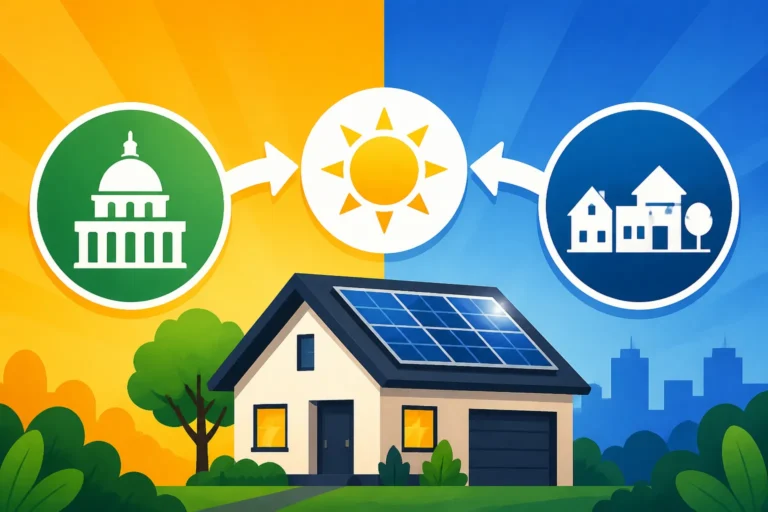
If you feel like the goalposts for solar incentives keep moving, you aren't alone. We have moved into a new era where the focus has shifted from just "putting panels on the roof" to "managing the energy you create." The good news is that the federal government and many state legislatures have finally realized that a battery is just as important as the panels themselves. The landscape is complex, but for those who know where to look, the savings are still substantial.
The Federal Landscape and the Residential Clean Energy Credit
The most common question I get in my inbox these days is Solar Tax Credit 2026: What Happened to the Federal Credit. While the massive 30% credit we enjoyed for years has seen some transitions, the critical takeaway for 2026 is the "standalone" storage rule. Previously, you had to charge your battery 100% from solar to qualify for federal help. Now, the federal incentives have evolved to recognize that batteries are vital for grid stability. You can still claim a significant portion of your battery and installation costs as a credit against your federal income taxes.
This credit is a dollar-for-dollar reduction in what you owe the IRS. It isn't just a deduction; it’s actual money back in your pocket. I’ve talked to homeowners in high-tax states who managed to offset nearly a third of their total system cost just through this one mechanism. When you use a platform like Modernize to find certified installers, make sure you ask them for a detailed breakdown of the equipment that qualifies under the current year's tax code, as the specific "labor" vs. "hardware" definitions can sometimes shift.
State-Specific Storage Rebates and Performance Programs
Beyond the federal level, the real "gold mine" is found at the state level. Several states have moved away from simple upfront checks and toward performance-based incentives. For example, the New Jersey SREC-II / SuSI Program Guide illustrates how some states are now paying you for the "clean" nature of the energy you store. In states like Massachusetts and Connecticut, the "ConnectedSolutions" program actually pays you an annual "dividend" for allowing the utility to occasionally draw from your battery during summer heatwaves.
I’ve seen families in the Northeast earn anywhere from $500 to $1,500 a year just by letting their battery sit there and help the grid for a few hours a month. It’s essentially a "thank you" check from your utility. If you are looking for a massive upfront reduction, you should look into the State Solar Incentives: Complete 2026 Guide to see if your specific zip code offers a "Point of Sale" rebate, which is the holy grail of solar savings because it reduces your loan amount from day one.
Local Utility Perks and "Hidden" Savings
Don't overlook your local municipal utility or co-op. Many smaller energy providers are desperate to avoid building new power plants and would much rather pay you to install a battery. I recently spoke with a homeowner in a rural part of Colorado who found a local utility rebate that covered nearly 40% of their battery cost—an incentive that wasn't advertised anywhere on major government websites.
Navigating these hyper-local programs can be a headache, which is why services like Modernize are so helpful; they connect you with local contractors who spend their entire day tracking these specific utility changes. Often, a local installer will know about a small "pilot program" that just opened up in your county. Also, remember to check Solar Property Tax Exemptions by State to ensure that adding a $15,000 battery system doesn't accidentally hike your annual property taxes. In most solar-friendly states, this value is legally shielded from your assessment.
Why Solar Batteries Are Becoming Essential in 2026
The reason the conversation has shifted so heavily toward Solar Battery Incentives in 2026 isn't just about the environment; it's about the "death of net metering." For decades, the grid acted as a free battery. You sent power to them during the day and took it back at night for the same price. Those days are largely over. Utilities have realized this was a bad deal for them, and they’ve lobbied hard to change the rules.
The Shift from Net Metering to Net Billing
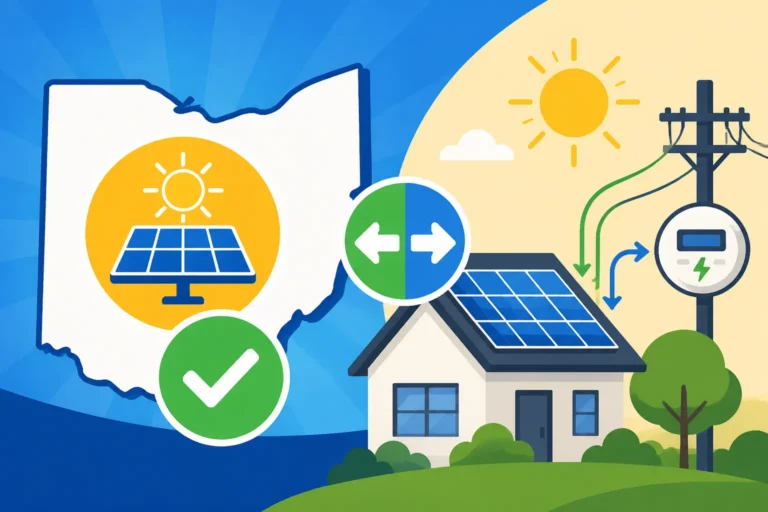
California was the first major domino to fall, and the California NEM 2.0 vs NEM 3.0 Explained saga serves as a warning for the rest of the country. Under new "Net Billing" rules, the credit you get for sending solar power to the grid during the day is drastically lower—sometimes 70% to 80% less—than what the utility charges you to buy that same power back two hours later.
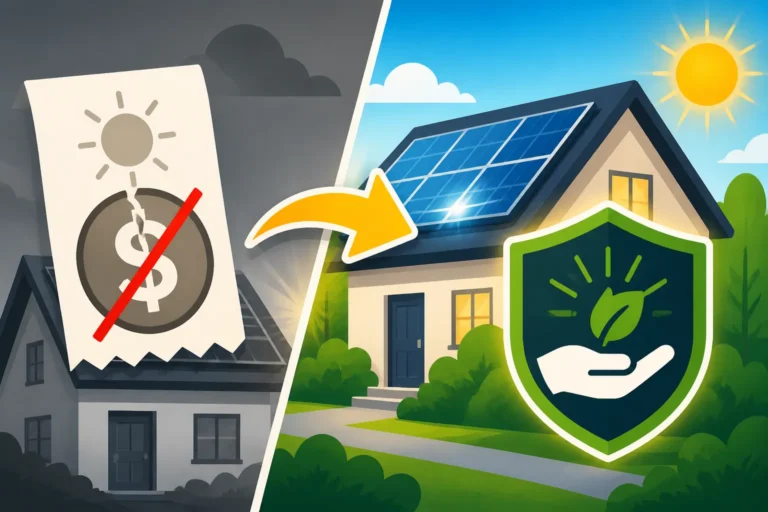
If you don't have a battery in 2026, you are essentially donating your expensive solar energy to the utility company and then buying it back at a premium. A battery allows you to "time-shift." You store your own power at noon and use it at 7:00 PM when the utility rates are at their highest. This is often called "Peak Shaving," and in high-cost states, it can shave $200 a month off a bill that panels alone couldn't touch. You can read more about the technical side of this in Net Metering vs Net Billing: What's the Difference?.
Grid Resilience and the New Normal of Outages
Let’s get real for a second: the grid is tired. Between aging infrastructure and the increasing frequency of extreme weather events—from ice storms in Texas to wildfires in the West—power outages are no longer a "once every ten years" event. For many of us, it’s an annual tradition. A solar battery in 2026 isn't just a savings account; it's an insurance policy.
While a standard solar system without a battery will automatically shut off during a blackout (to protect utility workers from "back-feeding" power into the lines), a system with a battery and a "gateway" keeps your lights, fridge, and Wi-Fi running. I’ve had many readers tell me that the first time their neighborhood went dark while their house stayed bright was the moment the battery "paid for itself" emotionally. When you use Modernize to compare quotes, make sure you are comparing the "backup capacity" of different units, as some batteries are designed for "daily savings" while others are "beasts" meant for multi-day outages.
Virtual Power Plants and "Earning" While You Sleep
One of the coolest developments is the rise of Virtual Power Plants (VPPs). Companies like Tesla, Enphase, and Sunrun are aggregating thousands of home batteries into a single "giant" battery that the utility can use in emergencies. By joining a VPP, you get paid for the service your battery provides to the community.
It’s a win-win. You keep your backup power, but you also become a micro-utility owner. The incentives for joining these programs are often "stacked" on top of your federal and state tax credits. This significantly shortens your payback period. If you’re curious about which hardware supports this best, check out my comparison of the Tesla Powerwall 3 vs Enphase IQ Battery Solar Battery.
| Battery Feature | Benefit | Potential Incentive/Savings |
|---|---|---|
| Energy Arbitrage | Use stored power during "Peak" hours. | $50 – $150 / month in bill savings. |
| VPP Participation | Sell battery capacity back to the grid. | $200 – $1,000 / year in direct payments. |
| Federal Credit | Direct tax reduction for 2026 installs. | 30% (check local 2026 limits). |
| State Rebates | Upfront cash or performance payments. | Varies ($500 – $5,000+). |
| Backup Power | Keep the lights on during grid failure. | Priceless (avoids food spoilage/hotels). |
How to Maximize Your Battery ROI
I see a lot of people make the mistake of just buying the "cheapest" battery they can find. In the world of solar, you truly get what you pay for. If you want to actually see a return on your investment, you need to think strategically about how you size and use your system.
Stacking Every Possible Credit
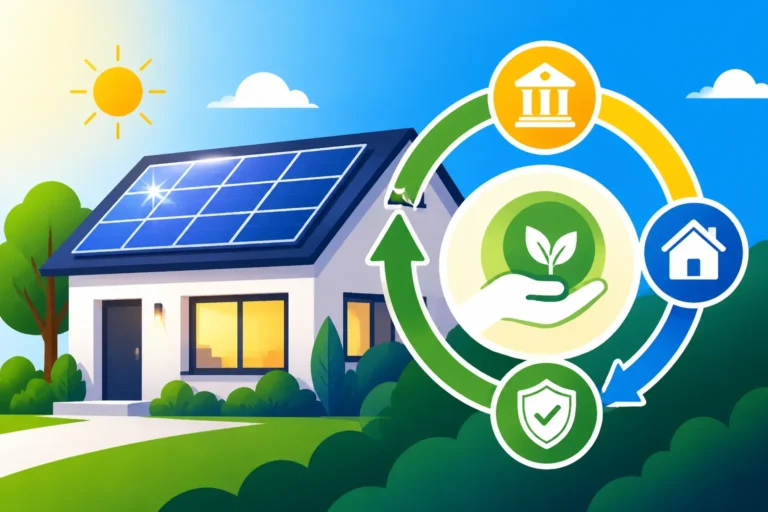
The secret to a 5-year payback period in 2026 is "stacking." You start with the federal tax credit, then you look for state rebates, then you find Utility Solar Rebates: How to Find Yours. But it doesn't stop there. Some homeowners also qualify for "green" financing options with lower interest rates than a standard home equity loan.
If you are a veteran, or if you live in a designated "low-income" or "environmental justice" census tract, there are often additional grants available that can cover up to 50% of the storage cost. Modernize is a great resource here because their network of installers often knows exactly which census tracts qualify for these specific federal "bonus" credits that common homeowners would never find on their own. For more on the financing side, dive into our Solar Loans: Complete Guide.
Choosing Hardware for Longevity
Battery chemistry matters more than ever. Most modern batteries are moving toward Lithium Iron Phosphate (LFP) because it lasts longer and is safer (less fire risk) than older Nickel Manganese Cobalt (NMC) chemistries. When evaluating ROI, don't just look at the price tag; look at the "throughput" warranty.
A battery that costs $10,000 but only guarantees 60% capacity after 10 years is a much worse investment than a $12,000 battery that guarantees 80% capacity after 15 years. You want a system that will outlive its own loan. Always ask your installer for the "degradation schedule." A veteran pro found through a platform like Modernize should be able to hand you a spec sheet showing exactly how that battery will perform in year 12.
Smart Software and Automation
The final piece of the ROI puzzle is how the battery is managed. "Dumb" batteries are a waste of money. You want a system with AI-driven software that monitors weather patterns and utility rate changes in real-time. If the software sees a storm coming, it should automatically top off the battery to 100%. If it sees that tomorrow’s "peak" rates are going to be unusually high, it should save more power for the evening. This level of optimization can add 15-20% to your annual savings without you ever having to touch an app.
Steps to Take Before You Buy a Battery
Before you sign a contract, there are a few "un-fun" but necessary steps. First, you need an energy audit. There is no point in buying a massive $20,000 battery system if your home is leaking cool air through old windows and gaps in the attic. Seal the envelope first; then size the battery.
Second, get at least three quotes. The price discrepancy for battery installation in 2026 is wild. I’ve seen two different companies quote the exact same hardware with a $5,000 price difference just because one had more "overhead" or higher sales commissions. Using a service like Modernize allows you to quickly compare these quotes side-by-side so you can spot the outliers.
Finally, check your main electrical panel. Many older homes require a "Main Panel Upgrade" (MPU) to handle the high current of a modern battery system. The good news? Many of the incentives that apply to the battery also apply to the electrical upgrades needed to support it. Make sure your installer includes those costs in the total "basis" for your tax credit.
Disclaimer
This guide is for informational purposes only and does not constitute financial, tax, or legal advice. Solar incentive programs, tax credits, and utility regulations are subject to frequent change at the federal, state, and local levels. Always consult with a qualified tax professional or a certified solar installer in your specific jurisdiction to verify current eligibility and program requirements before making a purchase or filing taxes. 2026 data is based on current legislative projections and market trends.