Is the Generac PWRcell Worth It?
The thought of losing power, especially during extreme weather or at critical times, is enough to send a shiver down anyone's spine. And let's not even get started on those ever-increasing electricity bills that make you feel like you're constantly chasing a moving target. Many homeowners are looking for real solutions to gain energy independence and security, and a solar battery storage system often comes up as a top contender. Among the various options out there, the Generac PWRcell has certainly carved out a name for itself. But with all the hype, you're probably wondering: is the Generac PWRcell truly worth the investment for your home and unique energy needs? This comprehensive guide will break down everything you need to know to make an informed decision.
Understanding the Generac PWRcell Ecosystem
When you hear "solar battery," you might just picture a big box storing power. But the Generac PWRcell is much more than that; it's a sophisticated, integrated home energy system designed to work seamlessly with your solar panels, managing your home's power flow, and providing robust backup when the grid goes down. It’s built on Generac’s long-standing reputation for reliable power solutions, which many folks might already associate with their emergency generators.
Beyond Just a Battery: The Integrated Approach
The Generac PWRcell isn't a standalone battery you just plug into your existing setup. It’s an entire ecosystem that includes a powerful inverter, a smart management system, and modular battery packs. This integrated design is really what sets it apart. Instead of piecing together components from different manufacturers, Generac offers a cohesive system that's designed to communicate and operate efficiently as one unit. The PWRcell inverter, for instance, is built to handle both solar conversion and battery charging, streamlining the process. This means fewer compatibility headaches and a more unified monitoring experience, which can be a huge relief for homeowners who want their systems to just work.
Imagine a situation where a storm rolls through your neighborhood in Springfield, Illinois. With a disconnected system, your solar panels might shut down during the outage, even if the sun is shining, because they need the grid to operate safely. But with the PWRcell, its smart inverter automatically isolates your home from the grid, allowing your solar panels to continue generating power and charging your battery, keeping your lights on and your refrigerator running. This kind of resilience is invaluable.
How PWRcell Integrates with Solar
The true genius of the PWRcell lies in its ability to maximize your solar investment. Your solar panels generate electricity throughout the day, but your household's energy usage often peaks in the morning and evening, when the sun might not be at its strongest. Without a battery, any excess solar energy your panels produce during the day would typically be sent back to the grid, often compensated through a net metering program. However, in states like California, where net metering policies like NEM 3.0 have reduced export compensation, storing that excess energy becomes even more critical.
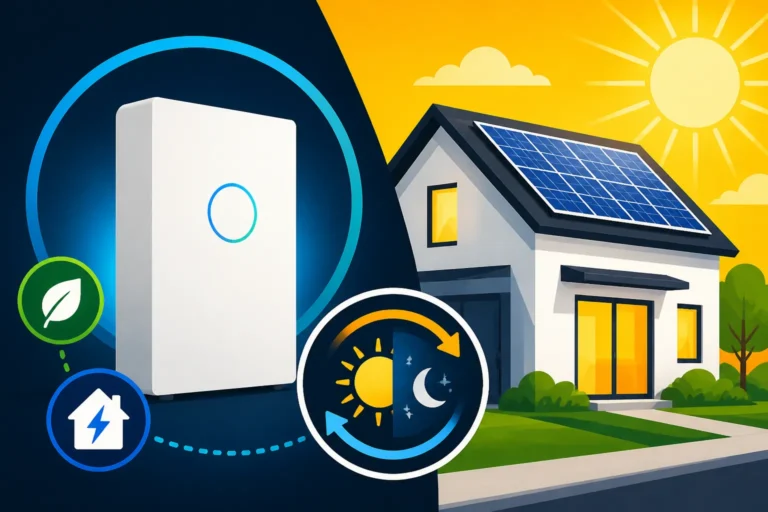
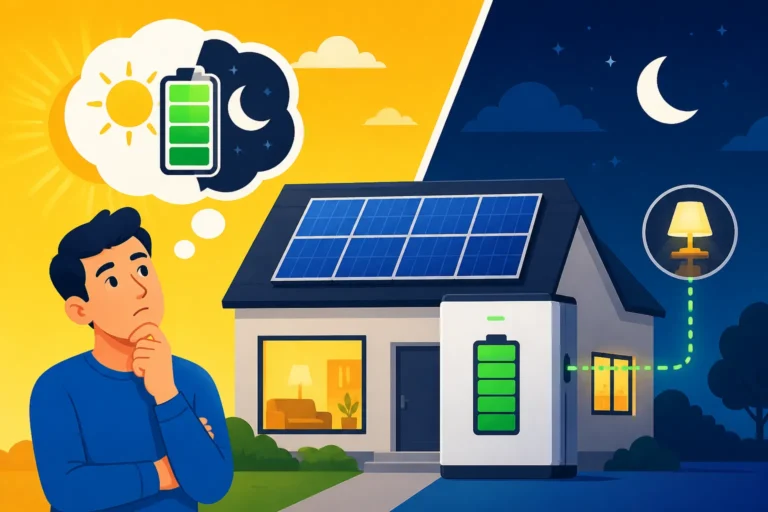
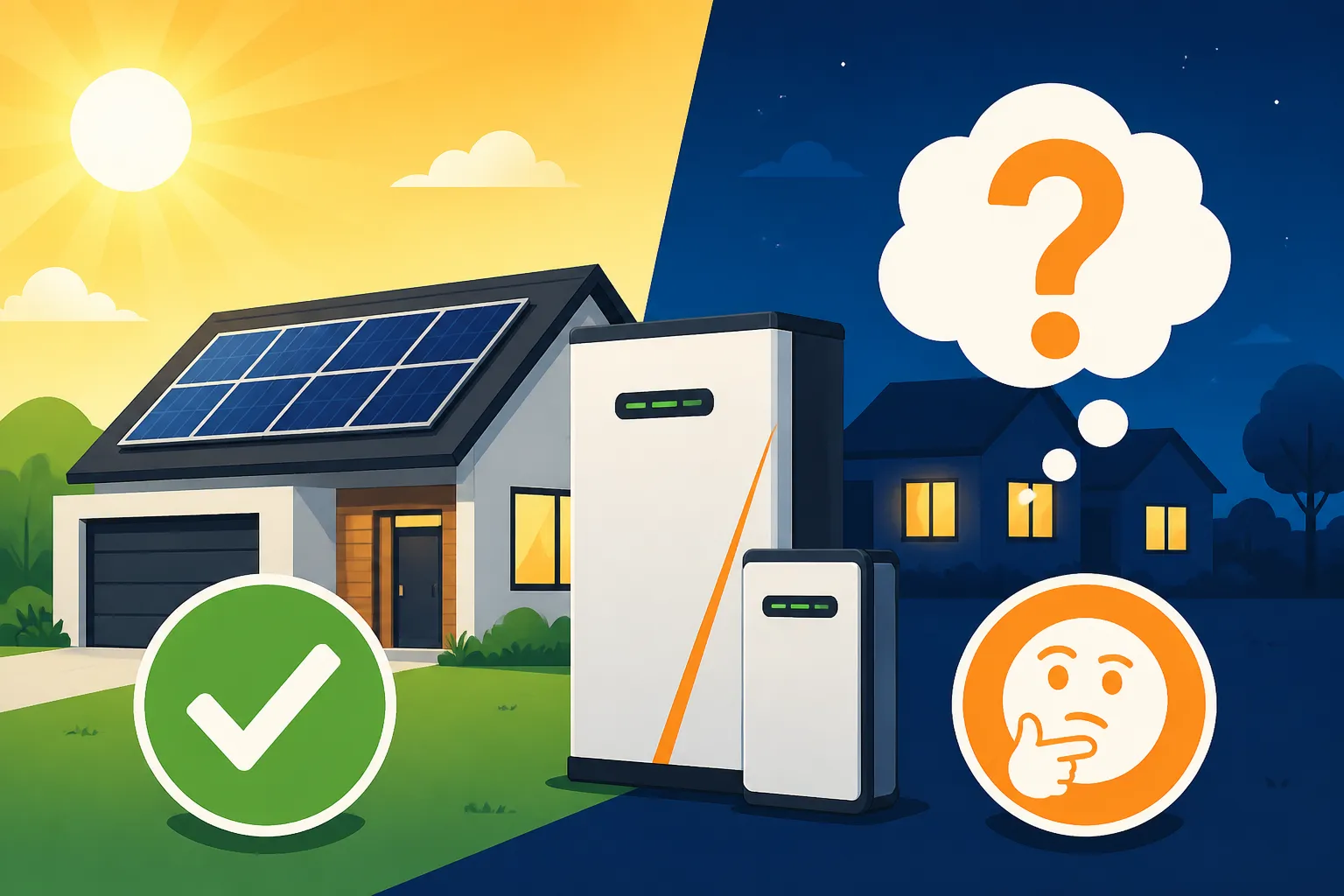
The PWRcell system stores this surplus solar energy in its battery modules. Then, during periods of high demand, at night, or when the grid is out, it discharges that stored energy to power your home. This process, often managed by the PWRmanager system, allows you to effectively "self-consume" more of the clean energy you generate. This not only increases your energy independence but can also lead to significant savings by reducing your reliance on expensive utility power, especially during peak rate times.
Scalability and Flexibility
One of the practical aspects that homeowners really appreciate about the Generac PWRcell is its modularity. No two homes have the exact same energy needs, and those needs can even change over time. Whether you have a small home in Phoenix, Arizona, with moderate energy consumption or a larger family home in Dallas, Texas, with heavy usage and a desire for whole-home backup, the PWRcell can adapt.
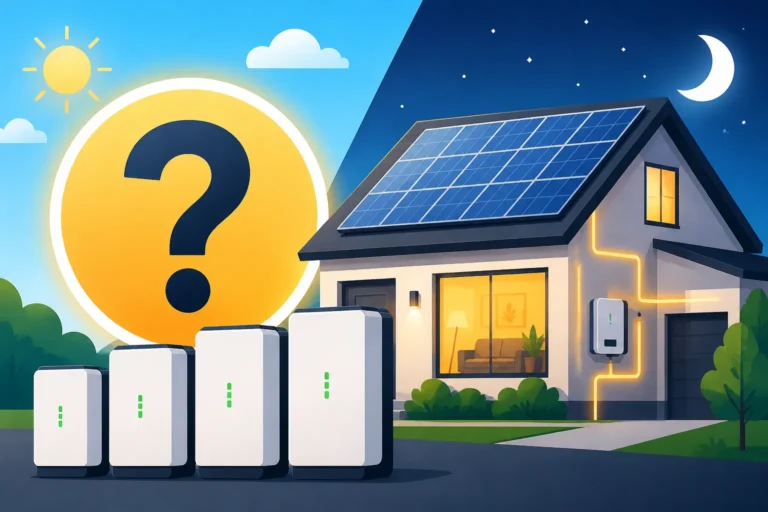
The system starts with a base configuration, and you can add more battery modules as your energy storage needs grow or as your budget allows. These modules come in varying capacities, allowing you to tailor the system precisely. For example, if you initially only want to back up essential circuits, you might start with a smaller capacity. Later, if you decide you want to power more of your home or extend your backup duration, you can easily expand by adding more modules. This "build-as-you-go" flexibility provides peace of mind and ensures your investment can evolve with your lifestyle, unlike some fixed-capacity battery solutions.
Key Features and Benefits of the Generac PWRcell
When you're looking at solar battery systems, you want to know what truly stands out. The Generac PWRcell brings several compelling advantages to the table that make it a serious contender for homeowners seeking reliable and efficient energy storage.
Robust Backup Power and Resilience
Let's be honest, for many, the primary driver for getting a solar battery is reliable backup power. The Generac PWRcell truly shines here. When the grid goes down, whether it's due to a localized outage or a wider grid failure, the PWRcell system is designed to provide immediate, seamless power to your home. It can be configured to power critical loads like your refrigerator, lights, and essential electronics, or, with sufficient battery capacity, even your entire home.
The transition from grid power to battery power is virtually instantaneous, often within milliseconds, so you might not even notice a flicker. This "black start" capability is crucial. Imagine you're working from home during a summer storm in Florida, and the power goes out. Your internet modem stays on, your computer doesn't lose power, and your air conditioning might even keep humming if you've sized your system appropriately. This isn't just about convenience; it's about maintaining safety, comfort, and productivity when the unexpected happens. When considering emergency power solutions, Generac's long history with generators lends a certain credibility to their battery backup claims, making it a trusted name for many.
Optimized Energy Management and Savings
Beyond just backup, the PWRcell is a savvy energy manager. In many areas, utility companies offer time-of-use (TOU) rates, where electricity costs more during peak demand hours (like late afternoon/early evening) and less during off-peak times. The PWRcell, when properly programmed, can automatically store cheaper off-peak electricity from the grid or excess solar power during the day. Then, it discharges that stored energy during expensive peak hours, effectively shaving down your utility bill. This strategy can lead to significant monthly savings, especially in states with aggressive TOU rates.
Think about a hot summer day in San Diego, California. Your air conditioner is running, and you're drawing a lot of power right when electricity rates are at their highest. If your PWRcell system is charged, it can provide that power from your stored solar energy, reducing what you have to pull from the grid at a premium price. Over the lifetime of the system, these savings can truly add up, contributing to your overall solar panel payback period. Plus, it fosters a greater sense of energy independence, a powerful motivator for many homeowners today.
Modular Design and Expandability
We touched on this earlier, but it bears repeating: the PWRcell's modularity is a huge benefit. This isn't a one-size-fits-all solution, and that's a good thing. The PWRcell inverter itself is robust, and then you add individual battery modules, which are like building blocks of energy storage. You can start with a smaller setup, perhaps three battery modules, which offers a decent amount of storage, and then easily add more as your needs or budget evolve.
For instance, the Generac PWRcell EX battery modules offer a nominal capacity of 3 kWh each, and the system can accommodate up to six modules in a single PWRcell cabinet, for a total of 18 kWh of usable capacity. If you need even more, you can install multiple PWRcell systems. This flexibility means you're not locked into a fixed capacity. If you later add an electric vehicle or decide to upgrade your appliances, you can simply add more modules without having to replace your entire system. This protects your initial investment and gives you room to grow into your future energy needs. You can often find additional components or learn more about expanding your system by consulting Generac's official dealer network, though some related parts might occasionally be found listed on platforms like Amazon for reference or specialized accessories.
Potential Drawbacks and Considerations
While the Generac PWRcell offers compelling advantages, no system is perfect for everyone. Before making a significant investment, it's crucial to understand the potential downsides and what considerations might impact its value proposition for your specific situation.
Upfront Cost and Installation Complexity
Let's not sugarcoat it: a Generac PWRcell system, especially when paired with a new solar installation, represents a substantial upfront investment. While the long-term savings and energy independence are attractive, the initial sticker shock can be a hurdle for many homeowners. The cost will vary widely depending on the number of battery modules you choose, the complexity of your home's electrical panel, and local labor rates.
Compared to simpler, more basic battery solutions, the integrated nature of the PWRcell means a more sophisticated installation process. It requires certified installers who are familiar with Generac's specific equipment and energy management systems. This isn't a DIY project, nor is it something every local electrician might be equipped to handle. The added complexity and specialized labor naturally contribute to the overall cost. It's vital to get a detailed quote from a certified Generac installer that breaks down all the costs, including equipment, labor, permits, and any necessary electrical panel upgrades. While you might find individual components or manuals on sites like Amazon, the full installed system is a specialized purchase.
Integration with Existing Systems
If you're starting from scratch with a new solar installation, integrating the Generac PWRcell is usually a smooth process, as the system is designed to work as a cohesive unit. However, if you already have an existing solar panel system from a different manufacturer, integrating a PWRcell can be more complicated and potentially more costly.
The PWRcell inverter is a core component, and it might not be directly compatible with every existing solar inverter or panel configuration. In some cases, you might need to replace your current solar inverter or add additional components to bridge the compatibility gap. This can add significant expense and labor to the project. Before assuming seamless integration, it's absolutely crucial to have a qualified Generac installer assess your current solar setup to determine compatibility and any necessary modifications. They can help you understand if adding a battery to an existing solar system makes financial sense, or if a different battery solution might be a better fit.
Warranty and Long-Term Performance
Understanding the warranty is essential for any major home improvement, especially for high-tech equipment like solar batteries. The Generac PWRcell comes with a respectable warranty, typically covering the product and performance for a certain period, often 10 years. However, the details matter. Most battery warranties guarantee that the battery will retain a certain percentage of its original capacity (e.g., 70% or 80%) after a specific number of cycles or years, whichever comes first.
It's important to read the fine print. What happens if a component fails? Is labor included in the warranty? What are the conditions for replacement? While Generac is a reputable brand, any complex electronic system can encounter issues. Understanding the warranty helps you gauge the long-term protection of your investment. You'll want to ensure that the expected lifespan of the battery, including any degradation, aligns with your financial projections and energy goals. While Generac parts might be discussed or reviewed on platforms like Amazon, for warranty claims, you'll always go through your certified installer or Generac directly.
Is the Generac PWRcell Worth It for Your Home?
Ultimately, the question of whether the Generac PWRcell is "worth it" comes down to your individual circumstances, energy goals, and budget. There's no universal answer, but we can explore scenarios where it truly shines and provide a framework for your decision-making process.
Ideal Use Cases
The Generac PWRcell truly excels for specific types of homeowners and in particular geographical areas:
- Homes in Outage-Prone Areas: If you live in a region like the Gulf Coast (think parts of Louisiana or Florida) susceptible to hurricanes, or wildfire-prone areas in California, frequent power outages are a reality. For these homeowners, the robust and seamless backup power offered by PWRcell is not just a convenience, but a critical safety and security feature. It offers peace of mind that a basic solar system without storage simply cannot provide.
- High Electricity Rates and Time-of-Use Charges: In places with exorbitant electricity rates or complex time-of-use (TOU) billing structures, such as parts of California, Hawaii, or the Northeast, the PWRcell's ability to store cheaper energy and discharge it during peak demand can lead to significant financial savings. This offsets the system's cost over time.
- Desire for Energy Independence and Self-Consumption: For homeowners who want to maximize their solar investment and reduce their reliance on the utility grid as much as possible, the PWRcell is an excellent tool. It allows you to use more of the clean energy your panels produce, rather than sending it back to the grid for potentially lower compensation.
- New Solar Installations: If you're installing a new solar energy system from scratch, integrating the Generac PWRcell from the outset is often the most cost-effective and seamless approach, taking full advantage of its integrated design.
Comparative Analysis: PWRcell vs. Other Popular Options
To help you put the Generac PWRcell into perspective, let's look at how it stacks up against some other leading solar battery solutions on the market. Keep in mind that specific capacities, costs, and features can vary greatly by model and installer.
| Feature | Generac PWRcell | Tesla Powerwall | Enphase IQ Battery |
|---|---|---|---|
| System Type | Integrated whole-home energy management system | All-in-one battery and inverter package | Modular, AC-coupled microinverter-based battery |
| Usable Capacity | 9-18 kWh (expandable with modules) | 13.5 kWh (Powerwall 2), 13.5 kWh (Powerwall 3) | 3.36 kWh (IQ 3), 10.08 kWh (IQ 10), 16.8 kWh (IQ 16) |
| Expandability | Modular battery packs, up to 6 per cabinet | Up to 10 Powerwalls per system | Highly modular, can add individual small units |
| Backup Capability | Powers critical loads or whole home | Powers critical loads or whole home | Powers critical loads or whole home |
| Inverter Type | Hybrid inverter included in system | Integrated DC-coupled inverter | Integrated AC-coupled microinverters |
| Integration | Designed for new Generac solar or standalone | Best with Tesla Solar, but compatible with others | Seamless with Enphase microinverter solar systems |
| Average Cost (Installed) | Higher end (due to system integration) | Mid-to-high range | Mid-to-high range (per kWh) |
| Warranty | Typically 10 years, performance dependent | 10 years, unlimited cycles for backup | 10-15 years, performance dependent |
| Key Differentiator | Whole-home energy ecosystem, generator heritage | Sleek design, high capacity, popular brand | Ultimate modularity, AC-coupling flexibility |
This table provides a snapshot. For deeper dives, you might want to explore specific comparisons like "Tesla Powerwall vs Enphase IQ Battery" or comprehensive guides like "Best Solar Batteries of 2026."
Making an Informed Decision
Deciding if the Generac PWRcell is the right fit for your home involves a bit of homework. Here are some actionable steps:
- Assess Your Energy Needs: How much energy do you use daily? What appliances do you absolutely need during an outage? This will help determine the optimal size and number of PWRcell battery modules you'd need. For a deeper understanding, look into how to calculate your individual energy consumption.
- Evaluate Your Location's Specifics: Do you experience frequent power outages? Are electricity rates high or does your utility have favorable net metering or Utility Solar Rebates: How to Find Yours programs? These factors significantly impact the ROI of a battery system.
- Get Multiple Quotes: Don't settle for the first quote. Contact at least three different certified Generac installers in your area. Compare not just the overall price, but also the proposed system design, warranty details, and the installer's reputation. Look for companies with solid reviews and transparent pricing.
- Explore Incentives: Research available federal, state, and local incentives that could help offset the cost. While the primary federal solar tax credit applies, there might be specific state-level battery incentives, like those detailed in Solar Battery Incentives in 2026. These can significantly improve the financial viability of your investment.
- Consider Your Long-Term Goals: Are you planning to move soon? Do you anticipate your energy consumption changing? Your long-term plans can influence whether a major investment in a system like PWRcell makes sense.
- Read Reviews and Talk to Current Users: While you can easily find product specifications and reviews for PWRcell components on sites like Amazon or through specialized solar forums, nothing beats talking to actual homeowners who have the system installed. Their real-world experiences can offer invaluable insights.
The Generac PWRcell is a powerful, integrated solution for homeowners seeking enhanced energy independence, significant savings on electricity bills, and reliable backup power. Its modularity and whole-home approach make it a strong contender, particularly in areas with high energy costs or frequent outages. By carefully weighing its features against your personal needs and thoroughly researching your options, you can determine if this advanced system is indeed a worthwhile investment for your home.
Disclaimer
Please note that this article provides general information and recommendations. Energy needs, system costs, available incentives, and regulations can vary significantly based on your specific location, home characteristics, and current policies. It is always recommended to consult with multiple qualified and licensed solar professionals and financial advisors to receive personalized advice and accurate quotes before making any purchasing or installation decisions.