What Happens to Solar Panels After 25 Years?
One of the biggest questions I hear from homeowners considering solar is, "What happens after the warranty runs out?" It's a completely valid concern. You're making a significant investment in your home, and naturally, you want to understand the long-term picture, especially when you hear that common 25-year warranty period being tossed around. This guide will walk you through exactly what to expect from your solar panels once they hit that quarter-century mark and what your options are.
Understanding the 25-Year Mark for Solar Panels
When you invest in a solar energy system, that 25-year figure often comes up, primarily in relation to the panel's performance warranty. It's easy to assume this means your panels will suddenly stop working the moment they hit their silver anniversary. But I'm here to tell you that's simply not the case! Think of it more like the odometer on your car hitting 100,000 miles – it's a milestone, not a death sentence.
The Warranty vs. Lifespan Distinction
It's crucial to differentiate between a solar panel's warranty and its actual operational lifespan. Most quality solar panels come with two main types of warranties:
- Product Warranty: This typically covers manufacturing defects and material failures, usually for 10-12 years, though some premium brands offer longer periods, even up to 25 years. This means if a panel physically breaks or malfunctions due to an inherent flaw, the manufacturer will replace it.
- Performance Warranty: This is the one that really gets people thinking about 25 years. A performance warranty guarantees that your panels will still produce a certain percentage of their original power output after a specified number of years. For most reputable manufacturers like Qcells or Maxeon, this often means your panels are guaranteed to produce at least 80-85% of their original output after 25 years.
So, when we talk about "25 years," we're usually talking about the guaranteed minimum performance, not the absolute end of the panel's life. In reality, most high-quality solar panels continue to generate electricity well beyond that 25-year mark, often for 30, 35, or even 40 years, albeit with a gradual decrease in efficiency. It's similar to how an old appliance might still work, but not quite as efficiently as it once did. Understanding this distinction is key to setting realistic expectations for your long-term solar investment.
How Degradation Affects Performance
All solar panels experience a phenomenon called degradation, which is a fancy way of saying they naturally lose a tiny bit of their power-producing capability each year. This isn't a sudden drop-off; it's a slow, steady, and predictable decline. On average, you can expect a solar panel to degrade by about 0.5% to 0.8% per year.
Let's put that into perspective. If you start with a 400-watt panel and it degrades by 0.5% annually:
- After 10 years, it would be producing about 95% of its original output, or 380 watts.
- After 20 years, it's around 90%, or 360 watts.
- By 25 years, it's still producing about 87.5% of its original output, or 350 watts.
This gentle decline is why performance warranties exist – they ensure that even with degradation, your system will still be a significant power producer for a very long time. It's not a dramatic cliff but a gradual slope. You might start noticing slightly higher utility bills if your energy consumption remains the same, but your panels won't just stop working. This slow degradation is factored into the initial design of your solar system; installers often over-panel slightly or design with future degradation in mind to ensure you meet your energy needs for decades.
Factors Influencing Panel Longevity
While 25 years is a common benchmark, several factors can influence how long your specific solar panels last and how well they perform over that time.
- Panel Quality and Manufacturer: Not all panels are created equal. Premium brands like SunPower (now Maxeon), REC, or LG (before they exited the market) often boast lower degradation rates and more robust construction, leading to longer lifespans. Choosing panels from reputable manufacturers with strong track records is essential. You can find many reliable brands in guides like our breakdown of the Best Solar Panels of 2026.
- Installation Quality: A professional, high-quality installation is paramount. Panels that are improperly installed, have poor wiring connections, or are subjected to undue stress can experience premature failures. A good installer ensures proper ventilation, secure mounting, and correct electrical hookups, all of which contribute to the system's overall health and longevity.
- Environmental Conditions: Solar panels are built to withstand the elements, but extreme conditions can take a toll. Areas with frequent hailstorms, heavy snow loads, or intense heat can stress panels more than milder climates. Regular exposure to salt spray in coastal regions can also affect performance over many years. However, most modern panels are rigorously tested for durability against these conditions.
- Maintenance: While solar panels are relatively low-maintenance, keeping them clean from excessive dirt, dust, or bird droppings can help maintain optimal efficiency. In most residential settings, rain often takes care of the cleaning, but in very dusty or dry areas, occasional manual cleaning can be beneficial. Keeping an eye on your system's performance via monitoring apps can also help you catch issues early.
By considering these factors, you can better understand why some systems might exceed expectations while others might align more closely with the typical 25-year performance warranty.
Your Options When Panels Hit the 25-Year Milestone
So, your solar panels have faithfully been generating power for a quarter of a century. Congratulations! This is a great achievement. Now you might be wondering, "What's next?" The good news is you have several practical options, ranging from simply continuing business as usual to fully upgrading your system.
Continued Operation and Monitoring
For many homeowners, the most straightforward option after 25 years is to simply keep using your existing solar panels. As we discussed, they're not going to stop working overnight. They'll continue to produce clean energy, just at a slightly reduced capacity due to natural degradation. If your energy needs haven't significantly increased and your utility rates remain reasonable, the system could still be saving you a substantial amount of money each month, especially if it was fully paid off years ago.
The key here is diligent monitoring. Modern solar systems come with monitoring apps (like those from Enphase or SolarEdge) that allow you to track your daily, weekly, and monthly energy production. By keeping an eye on these numbers, you can detect any unusual drops in performance that might indicate an issue beyond normal degradation. You might notice that your system that once produced 100% of your power now covers 80% or 75%, but that's still a huge chunk of your electricity bill being offset. Many homeowners find that even at a reduced output, the free electricity is well worth keeping the system operational.
Upgrading or Expanding Your System
If you find that your aging panels aren't quite keeping up with your energy demands, or if you simply want to take advantage of new technology, upgrading or expanding your system is a very viable option.
- Adding More Panels: If you have available roof space, adding a few new, more efficient panels can significantly boost your overall system output. Modern panels typically have higher wattages (e.g., 400W or 450W) compared to older panels (e.g., 250W-300W), meaning you can get more power from less space. This can be a cost-effective way to get back to 100% (or even more) energy offset.
- Replacing Existing Panels: You could opt to replace your oldest panels with brand-new, high-efficiency models. This is a more involved process but can drastically improve your system's performance and potentially reduce your solar payback period. Given how much solar technology has advanced, replacing 25-year-old panels with today's offerings could mean installing fewer panels for the same or even greater output. This could be particularly attractive if other components, like your inverter, are also nearing the end of their useful life.
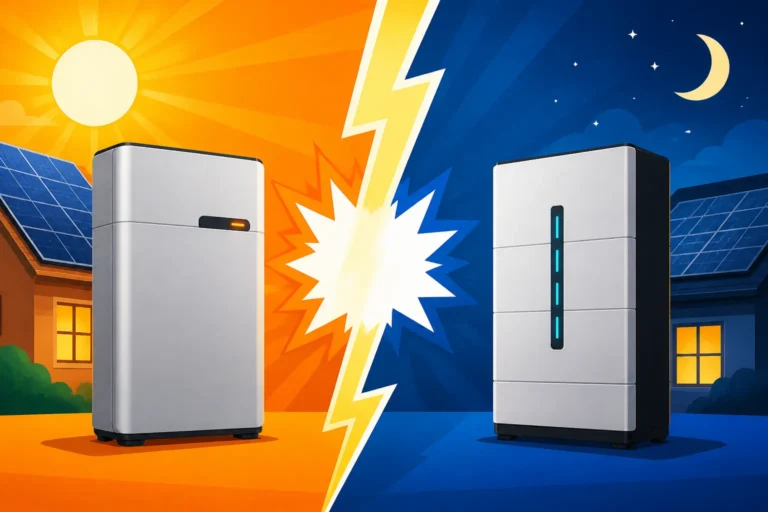
- Integrating a Battery Storage System: Twenty-five years ago, home battery storage wasn't really a thing. Today, it's a game-changer. Adding a solar battery like a Tesla Powerwall or Enphase IQ Battery can allow you to store excess energy generated during the day and use it at night, further reducing your reliance on the grid and providing backup power during outages. Our guide on Are Solar Batteries Still Eligible for Incentives in 2026? might be helpful if you're considering this. This is an excellent way to modernize your existing solar setup and get even more value from your clean energy production, especially in areas with unfavorable net metering policies like California's NEM 3.0.
Recycling Old Solar Panels
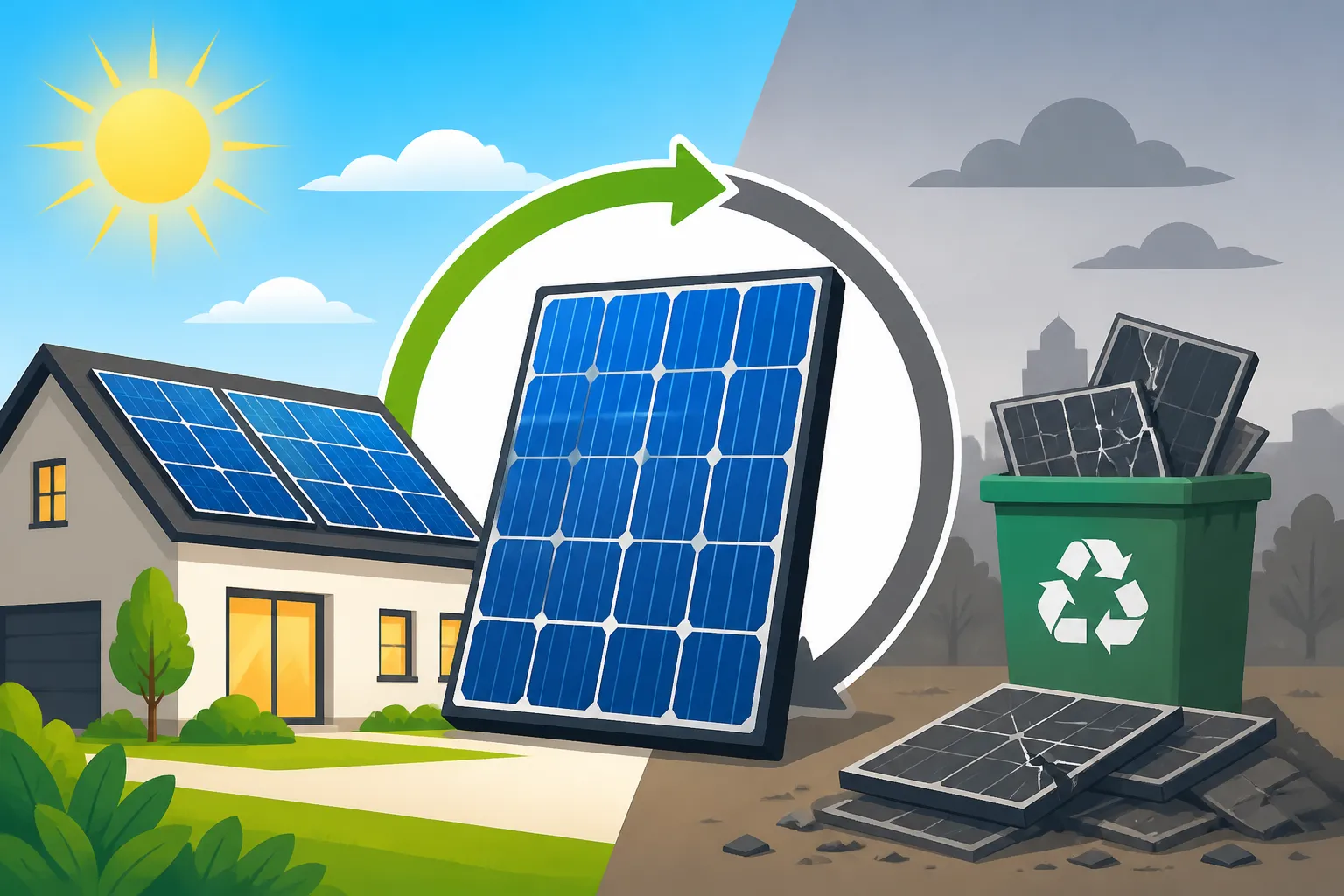
When the time does come to replace your panels, either due to full system retirement or an upgrade, proper recycling is an important consideration. Solar panels contain valuable materials like silicon, aluminum, copper, and even trace amounts of silver. Landfilling them wastes these resources and can pose environmental concerns.
Fortunately, the solar industry is increasingly focused on developing robust recycling programs. Organizations like PV Cycle in Europe have been leading the way for years, and similar initiatives are growing in the US.
- Manufacturer Take-Back Programs: Some forward-thinking manufacturers are starting to offer take-back programs, especially for their own products. It's worth checking with the manufacturer of your original panels to see if they have such a program.
- Specialized Recycling Facilities: There are dedicated solar panel recycling facilities emerging across the country. These facilities can dismantle panels and recover valuable materials. Companies like Recycle PV and SolarCycle are examples of businesses working on this.
- Your Solar Installer: Often, when you upgrade your system, your new solar installer might be able to facilitate the recycling of your old panels as part of their service. They'll have connections with appropriate recycling partners.
The cost of recycling solar panels is generally much lower than their environmental benefit. While it might involve a small fee per panel, it's a responsible choice that contributes to a sustainable future for solar energy. It's a sign of a maturing industry committed to its cradle-to-grave environmental impact.
What About Other System Components?
When we talk about solar system longevity, it's easy to focus solely on the panels. However, a complete solar energy system is made up of several critical components, each with its own expected lifespan. Understanding these can help you plan for potential replacements and maintain optimal system performance over the long haul.
Inverters and Their Lifespan
The inverter is the brains of your solar system, converting the DC (direct current) electricity from your panels into AC (alternating current) electricity that your home appliances use. Unlike solar panels, inverters generally have a shorter lifespan.
There are a few main types of inverters, each with slightly different life expectancies:
- String Inverters: These are typically found in older or simpler systems. They convert DC from a "string" of panels into AC. String inverters usually last between 10 to 15 years.
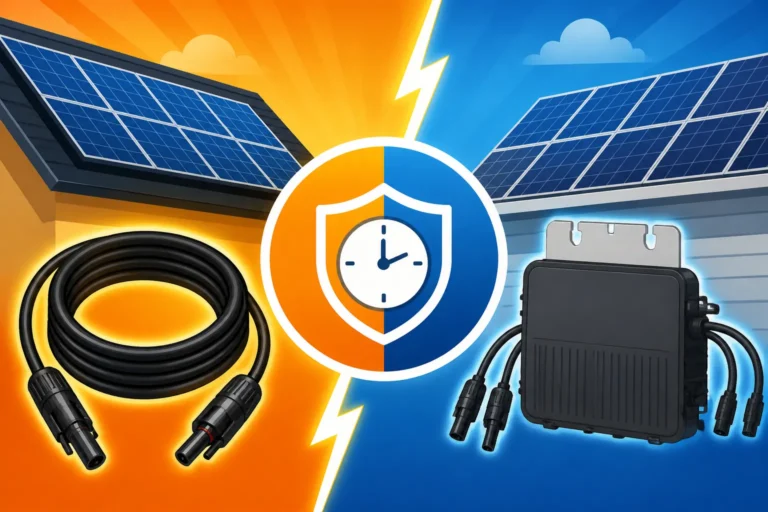
- Microinverters: These are small inverters attached to each individual solar panel, converting DC to AC right at the panel level. This allows for better performance in shaded conditions and easier monitoring. Microinverters, like those made by Enphase, generally have longer lifespans, often matching the 25-year performance warranty of the panels they're attached to.
- Power Optimizers: These are a hybrid approach, often used with a central string inverter. Optimizers are attached to each panel to "condition" the DC power, and then send it to a central string inverter. Optimizers typically last 20-25 years, while the central inverter they pair with will still likely need replacement around the 10-15 year mark. Companies like SolarEdge use this technology.
It's very common for homeowners to replace their string inverter once, or even twice, during the lifespan of their solar panels. When you budget for long-term solar ownership, factoring in an inverter replacement is a wise move. The good news is that new inverters are often more efficient and can sometimes be swapped out relatively easily by a qualified technician.
Solar Batteries and Replacement Cycles
As solar battery storage becomes more popular, especially with policies like California NEM 3.0 reducing export credit values, homeowners are increasingly considering adding batteries to their systems. However, solar batteries have a distinct lifespan that's often shorter than solar panels but similar to inverters.
Most modern solar batteries, such as the Tesla Powerwall or FranklinWH aPower, are designed to last between 10 to 15 years, or for a certain number of charge/discharge cycles. Their warranties typically reflect this, guaranteeing a certain amount of energy throughput or retention for that period.
Factors influencing battery lifespan include:
- Usage Patterns: How often the battery is cycled (fully charged and discharged) can impact its overall life.
- Temperature: Extreme temperatures can degrade battery performance over time.
- Technology: Lithium-ion batteries, which are the standard for home solar, have proven longevity.
While replacing a battery is an additional cost down the line, the benefits of energy independence, backup power, and maximized self-consumption often outweigh this long-term expense. Plus, battery technology is advancing rapidly, so a replacement battery 10-15 years from now will likely be far more efficient and capable than today's models. Our guide to Solar Battery Incentives in 2026 could help offset some of this future cost.
Racking, Wiring, and Structural Integrity
These are the unsung heroes of your solar system, and they're built to last.
- Racking Systems: The aluminum or stainless steel racking that mounts your panels to your roof or on a ground mount is incredibly durable. Most racking systems are designed to last 25 years or more, often exceeding the lifespan of the panels themselves. They are engineered to withstand significant wind loads, snow, and other environmental stressors. Unless there's a major structural event (like a tree falling on your house), you're unlikely to need to replace your racking system.
- Wiring: The electrical wiring connecting your panels to the inverter and then to your home's electrical panel is typically housed in conduits and made from durable, weather-resistant materials. Properly installed wiring should last for the entire lifespan of your system, likely 30-40 years or more, with minimal degradation. Issues are usually rare and often stem from faulty initial installation or external damage.
- Roof Integrity: This isn't strictly a "solar component" but it's crucial. If your roof was in good condition when your panels were installed, the panels themselves often help protect the roof underneath from UV degradation and weather. When it comes time for a roof replacement (which typically happens every 20-30 years for asphalt shingles), the panels will need to be temporarily removed and then reinstalled. This is a common event, and good solar installers will work with roofing companies to coordinate. Our post on Do I Need a New Roof Before Solar? delves deeper into this.
Here’s a quick overview of component lifespans:
| Component | Average Lifespan (Years) | What Happens After 25 Years? |
|---|---|---|
| Solar Panels | 25-40+ | Still produce power, but at reduced efficiency (80-87.5% of original). May choose to continue, expand, or replace. |
| String Inverter | 10-15 | Will likely need replacement once or twice during panel lifespan. |
| Microinverters | 20-25 | Often match panel lifespan, may need replacement around 25 years. |
| Power Optimizers | 20-25 | Similar to microinverters; central inverter still needs earlier replacement. |
| Solar Battery | 10-15 | Will likely need replacement once or twice if installed. |
| Racking System | 25-50+ | Built to last, typically outlives panels. |
| Wiring | 25-50+ | Very durable, should last the system's lifetime with proper installation. |
Planning for the Future: Maximizing Your Solar Investment
The idea of solar panels lasting 25 years or more is fantastic, but smart homeowners know that planning ahead is essential for maximizing that investment. Thinking about the long game means not just enjoying the savings today, but also anticipating future needs and technological advancements.
Regular Maintenance and Monitoring
While solar panels are often lauded for being low-maintenance, a little proactive attention goes a long way in ensuring they reach, and even exceed, their projected lifespan. This isn't about constant tinkering, but rather smart habits.
- Performance Monitoring: The most critical "maintenance" is simply keeping an eye on your system's performance. Most modern solar systems come with fantastic monitoring apps (often accessible via your phone or computer). These apps track how much electricity your panels are producing, sometimes even down to the individual panel if you have microinverters or optimizers. If you notice a sudden, unexplained drop in production that isn't due to weather or shading, it's a signal to investigate. Catching issues early can prevent minor problems from becoming major ones.
- Occasional Cleaning: For many areas, rain is enough to keep your panels clean. However, if you live in a very dusty region, near an agricultural area, or under trees where pollen and bird droppings are common, a gentle cleaning every once in a while can boost efficiency. You can often do this yourself with a soft brush and water from a garden hose (never use abrasive cleaners or high-pressure washers). Alternatively, some local solar companies or window cleaners offer professional panel cleaning services. You can even find specialized brushes and cleaning solutions on platforms like Amazon.
- Visual Inspections: Every year or two, take a moment to visually inspect your panels from the ground (or from a safe distance if you have a second-story system). Look for obvious signs of damage, such as cracks, loose wiring, or excessive debris buildup. If you spot anything concerning, contact your installer or a local solar technician. Remember, safety first – avoid climbing on your roof unless you're experienced and have proper safety gear.
These simple steps can help you get the most out of your panels for decades, ensuring you're generating as much clean power as possible.
Financial Planning for Replacements and Upgrades
Thinking about a 25-year investment means thinking financially beyond just the initial purchase. While your panels might be free electricity generators after they're paid off, other components might need attention.
- Inverter Replacement Fund: Knowing that your string inverter might need replacing around the 10-15 year mark, it's smart to set aside a little money each year for this eventual cost. Think of it like saving for a new car battery or tires – it's a predictable part of ownership. Modern inverters are more efficient, but they still represent an expense.
- Battery Upgrade Considerations: If you decide to add a solar battery or replace an existing one down the line, consider the financial incentives available at that time. Programs like the federal tax credit (if it's still available or updated) or various State Solar Incentives: Complete 2026 Guide can significantly reduce the upfront cost. Researching options like PACE Financing for Solar: How It Works can also be beneficial, though it's important to understand the full terms.
- Future System Enhancements: Solar technology is always evolving. Panels get more efficient, batteries get smarter, and new innovations emerge. By having a general understanding of these trends, you can make informed decisions about future upgrades that might increase your savings or energy independence even further. Perhaps in 25 years, we'll have fully integrated solar windows or paint!
Staying Informed About New Technology
The solar industry is a dynamic field, constantly pushing the boundaries of what's possible. What was cutting-edge 25 years ago is standard today, and what's cutting-edge today will be old news in another 25 years.
- Advancements in Panel Technology: We've seen significant leaps from older polycrystalline panels to today's highly efficient monocrystalline, PERC, TOPCon, and even HJT panels. These new technologies offer higher power output per square foot and often better performance in varying light conditions. If you ever upgrade, you'll be amazed at the difference.
- Battery and Storage Solutions: Beyond just home batteries, new forms of energy storage are being explored, from solid-state batteries to thermal storage. These could completely change how we manage and utilize solar energy in the future.
- Smart Home Integration: Solar systems are increasingly integrated with smart home technologies, allowing for more intelligent energy management, automated adjustments based on energy prices, and seamless control through voice commands or apps.
By subscribing to industry newsletters, reading reliable blogs (like this one!), and occasionally checking in with local solar experts, you can stay informed. This knowledge empowers you to make the best decisions for your system, ensuring it continues to serve your energy needs effectively and efficiently, even long after that initial 25-year milestone. Don't forget that many states continue to offer robust incentives, so keeping an eye on updates like Federal Solar Incentives That Still Exist in 2026 is always a good idea.
Disclaimer
The information provided in this guide is for general informational purposes only and should not be considered professional financial, tax, or energy advice. Solar technology, incentives, and regulations can change rapidly. Always consult with a qualified solar professional, financial advisor, or tax expert for advice tailored to your specific situation and location.