Solar Panel Wattage Guide (400W, 450W & More)
It can feel overwhelming when you start looking into solar panels for your home. You're trying to figure out if it's even worth it, what kind of savings you might see, and then BAM! You're hit with a barrage of technical jargon, and "wattage" is often at the top of that confusing list. What does 400W really mean for your house? This guide is here to cut through the confusion, break down solar panel wattage in plain English, and help you understand how to choose the right panels for your unique energy needs and home.
Understanding Solar Panel Wattage: Beyond Just a Number
When you first dive into the world of home solar, you'll quickly encounter terms like "watts," "kilowatts," and various numbers attached to solar panels – 300W, 400W, 450W. It's easy to feel like you need an engineering degree just to understand what you're buying. But don't worry, it's more straightforward than it appears, and understanding wattage is crucial to making an informed decision about your solar investment.
What Exactly Is Wattage?
At its core, wattage is simply a measure of power. Think of it like horsepower in a car. A higher horsepower engine generally means a more powerful car. Similarly, a solar panel's wattage, often expressed in Watts (W) or kilowatts (kW, which is 1,000 watts), tells you its maximum potential electrical output under ideal testing conditions. These "Standard Test Conditions" (STC) are set up in a lab, simulating perfect sunlight, a specific temperature, and a particular air mass. So, when a panel is rated at 400W, it means it can produce 400 watts of power under those very specific, perfect conditions.
It's important to differentiate between this theoretical maximum output (the wattage rating) and the actual energy produced. While wattage tells you the rate at which power can be generated, energy production is measured in watt-hours (Wh) or kilowatt-hours (kWh), which is what you see on your electricity bill. A 400W panel operating for one hour at its peak capacity would produce 400 watt-hours of energy. The higher the wattage, the more electricity a single panel can produce.
Why Wattage Matters for Your Home's Energy Needs
Understanding panel wattage is fundamental because it directly impacts how many panels you'll need to power your home and how much electricity your system will generate. If your home uses, say, 10,000 kWh of electricity per year, and you want to offset 100% of that with solar, you'll need a system capable of producing that much energy. Choosing higher wattage panels means you might need fewer physical panels to reach your desired energy production goal.
This is especially critical for homeowners with limited roof space. Imagine you have a smaller, more complex roof with multiple dormers or vents. Every square foot counts. If you can install fewer, higher-wattage panels, you might still achieve significant energy offset where a system with lower-wattage panels simply wouldn't fit. Conversely, if you have ample, unobstructed roof space, you might find that a larger number of slightly lower-wattage panels could be a more cost-effective solution, especially if those panels are available at a better price point.
How Wattage Relates to Power Output and Efficiency
Wattage, power output, and efficiency are all intertwined. A panel's wattage is determined by its efficiency and its physical size. Efficiency, expressed as a percentage, tells you how much of the sunlight hitting the panel is converted into usable electricity. For example, a 20% efficient panel means it converts 20% of the sunlight it receives into electricity.
So, a physically larger panel, even with the same efficiency as a smaller one, will have a higher wattage because it has more surface area to capture sunlight. Similarly, a smaller panel with higher efficiency can achieve a similar wattage to a larger, less efficient panel. For instance, a 400W panel could be a larger, standard-efficiency panel or a smaller, high-efficiency one. This is a crucial distinction, particularly when comparing different manufacturers like Maxeon (known for high efficiency in a smaller footprint) versus more standard options like Jinko Solar or Qcells. Understanding this relationship helps you evaluate not just the "number" but the technology and physical implications behind it. This directly ties into discussions about Solar Panel Efficiency & Degradation Explained and how a panel’s performance changes over its lifetime.
Common Solar Panel Wattages Explained (300W, 400W, 450W, 500W+)
The solar industry is constantly evolving, and with it, the average wattage of residential solar panels. What was considered "high wattage" just a few years ago is now becoming standard, and even higher outputs are emerging. It’s helpful to understand what these different wattage ranges typically represent and where they fit into today's solar landscape.
The "Sweet Spot" for Residential Solar (300W-400W)
For many years, and still quite prevalent today, panels in the 300W to 400W range have been the workhorse of residential solar installations. These panels offer a great balance of cost-effectiveness, readily available technology, and decent power output for most homes. You'll find a vast selection of brands, including popular ones like Qcells and Canadian Solar, offering panels in this range. A 350W panel, for instance, might be perfectly adequate for a standard suburban home in a sunny climate, providing a good amount of energy without an exorbitant upfront cost.
These panels are often a fantastic choice for homes with ample roof space and relatively straightforward energy needs. They allow installers to design systems that maximize coverage without necessarily pushing the boundaries of cutting-edge, higher-cost technology. They're a reliable and proven option that consistently delivers good results, making solar accessible to a broader range of homeowners. For those curious about the overall system cost, an article on Solar Panel Cost Per Watt Explained can shed more light on how these wattages translate into pricing.
Higher Wattage Panels (400W-450W and Beyond)
As technology advances, 400W-450W panels are becoming increasingly common and are often considered the new standard for many installations. These panels leverage advancements like TOPCon and HJT cell technologies to pack more power into a similar or even slightly smaller physical footprint than their 300W counterparts. Brands like REC and some of the higher-end offerings from Jinko Solar often feature prominently in this range.
The primary benefit of these higher wattage panels is their ability to generate more electricity per square foot. This is a huge advantage for homeowners with limited roof space, or those aiming for maximum energy offset with fewer panels. Imagine a situation where you only have enough unshaded roof area for 15 panels. If you use 350W panels, your system is 5.25 kW. If you use 450W panels, that same 15-panel space yields a 6.75 kW system – a significant difference in annual energy production from the same footprint. This can directly impact your overall savings and how quickly your system pays for itself.
The Latest Trends and Future Outlook (500W+ Panels)
While not yet mainstream for residential applications, 500W+ solar panels are emerging and gaining traction, particularly in commercial and utility-scale projects. These panels are pushing the boundaries of efficiency and size, often incorporating new cell structures and manufacturing processes. You might see names like LONGi and Trina Solar leading the charge in this ultra-high wattage segment.
For residential users, these panels represent the future. As manufacturing scales and costs come down, we can expect to see more of these powerful modules making their way onto rooftops. The implications are exciting: even smaller homes could achieve net-zero energy with fewer panels, and homes with significant energy demands or extremely limited roof space could finally make solar a viable option. For most homeowners, panels in this range are still a niche, but they highlight the incredible progress and innovation happening in the solar industry. If you're wondering how a bigger system might impact your overall budget, exploring resources like Solar Panel Cost by System Size (kW) can give you a better idea.
Factors Influencing a Solar Panel's Actual Output
The advertised wattage of a solar panel is a good starting point, but it's crucial to understand that it represents an ideal scenario. In the real world, several factors constantly influence how much electricity your panels actually produce on any given day. Ignoring these real-world conditions can lead to misexpectations about your system's performance and savings.
Sunlight Intensity and Climate
The most obvious factor affecting solar panel output is the amount and intensity of sunlight they receive. This isn't just about whether it's sunny or cloudy; it's about your geographic location and local climate patterns. Homes in Arizona or California, with their abundant sunshine, will naturally see higher production from the same wattage panels than homes in, say, Seattle or certain parts of the Northeast, which experience more overcast days. Even within the same day, output fluctuates dramatically – peaking around noon and declining in the morning and late afternoon.
Seasonal changes also play a huge role. During summer months, longer daylight hours and higher sun angles mean more production. In winter, shorter days and lower sun angles result in less energy generation. Snow cover can completely halt production until cleared, though in some climates, snow can actually reflect light and boost output slightly once it begins to melt off. Your local climate really dictates the practical output of your system over a year, not just the panel's wattage rating.
Panel Efficiency and Degradation
We touched on efficiency earlier, and it bears repeating: a panel's efficiency rating tells you how effectively it converts sunlight into electricity. Higher efficiency panels generate more power from the same amount of sunlight hitting their surface. While a 400W panel is 400W regardless of its efficiency at the point of sale, a more efficient panel might achieve that 400W from a smaller area, or maintain its output better in less-than-ideal conditions compared to a less efficient one. This can be critical for homeowners needing to maximize production from limited roof space.
Beyond initial efficiency, solar panels also experience a natural process called degradation. This means their power output slightly decreases over time. Most quality panels come with a performance warranty that guarantees they will still produce a certain percentage of their original output after 20 or 25 years (e.g., 80-85%). Understanding this degradation rate is vital for long-term planning and calculating your system's true lifetime value. You can learn more about this in our guide on Solar Panel Efficiency & Degradation Explained.
Installation Factors: Tilt, Azimuth, Shading
How your solar panels are installed has a massive impact on their actual performance. The tilt angle (how steep they are) and azimuth (the direction they face) are critical. In the Northern Hemisphere, south-facing roofs generally receive the most direct sunlight throughout the day and year, making them ideal. A perfect tilt angle usually matches your home's latitude, but most panels are installed flush with the roof, so installers optimize based on the existing roof pitch.
Shading is another huge output killer. Even a small shadow from a chimney, vent pipe, or tree branch falling across a panel can significantly reduce the output of not just that panel, but potentially an entire string of panels if you're using a string inverter system. This is where modern inverter technology like microinverters or power optimizers truly shines, as they allow each panel to operate independently, minimizing the impact of shading. This is a key consideration discussed in detail in guides like Roof Considerations for Solar Panels. Before installation, a thorough site survey will assess all these factors to give you a realistic estimate of expected energy production.
Calculating Your Home's Energy Needs and System Size
Before you can even begin to think about what wattage solar panels you need, you first have to understand your home's current energy consumption. It’s like buying a new refrigerator – you wouldn’t just guess its capacity; you’d measure your space and consider your family's needs. The same principle applies to solar, but instead of physical space, we're talking about energy usage.
Analyzing Your Electricity Bills
Your monthly electricity bills are your absolute best source of information when it comes to understanding your energy consumption. Most utility companies, whether it's Pacific Gas and Electric in California or Duke Energy in Florida, clearly show your usage in kilowatt-hours (kWh). Don't just look at one month; try to gather at least 12 months' worth of bills. This gives you an annual snapshot, revealing seasonal peaks (like high AC usage in summer or heating in winter) and valleys.
By reviewing a full year, you'll see your average daily, monthly, and annual kWh usage. For example, you might find that your home uses 800 kWh in a mild spring month but jumps to 1,500 kWh during a scorching July. An average annual consumption of 12,000 kWh means you're using about 1,000 kWh per month, or roughly 33 kWh per day. This crucial data forms the foundation for determining how large a solar system you'll need to offset your usage, and subsequently, the number and wattage of panels required.
Estimating Your Daily and Annual Energy Consumption
Once you have your electricity bills, you can start doing some simple calculations. Let's say your annual consumption is 12,000 kWh. If your area experiences 4.5 "peak sun hours" per day on average (a measure that averages out daylight hours and intensity over the year), you can roughly estimate the size of the system you'll need.
- Annual kWh needed / (Average daily peak sun hours * 365 days) = Required DC system size in kW
Using our example: 12,000 kWh / (4.5 hours * 365 days) = 12,000 / 1642.5 ≈ 7.3 kW DC system.
This 7.3 kW figure represents the DC (Direct Current) output capacity of your solar array, which is the sum of all your panel wattages. Keep in mind that there are efficiency losses when converting DC to AC (Alternating Current), which is what your home uses, so installers often factor in a "derate factor" (typically 75-85%) to get to the actual AC output. This step-by-step approach ensures you have a realistic goal for your solar system's production. For more detailed guidance, our article on How Many Solar Panels Do I Need for My Home? offers even deeper insights.
Matching Wattage to Your Desired Energy Offset
With your estimated system size in hand, you can then consider different panel wattages. If you need a 7.3 kW DC system and you're considering 400W panels:
- 7,300 Watts (7.3 kW) / 400 Watts/panel = 18.25 panels. So, you'd likely need 19 panels.
If you opt for higher wattage, say 450W panels:
- 7,300 Watts / 450 Watts/panel = 16.22 panels. So, you'd need 17 panels.
As you can see, higher wattage panels mean fewer physical panels to achieve the same energy offset. This is a critical consideration, especially if you're aiming for 100% energy offset. Many homeowners aspire to eliminate their electricity bill entirely, while others might be content with offsetting a significant portion, perhaps 70-80%, due to budget constraints or roof limitations. Your desired level of energy offset will directly influence the total wattage capacity of your system, and therefore the number and type of panels you choose.
Choosing the Right Wattage for Your Roof and Budget
The decision about solar panel wattage isn't a one-size-fits-all answer. It's a careful balancing act involving your home's physical characteristics, your personal financial goals, and even your aesthetic preferences. What works for a sprawling ranch home in Texas might not be ideal for a cozy bungalow in Massachusetts.
Small Roofs, High Wattage: Maximizing Limited Space
If your home has limited roof space, perhaps due to size, roof complexities (dormers, chimneys, skylights), or significant shading, then higher wattage panels (400W, 450W, or even 500W+) become incredibly appealing. For these homes, every square foot is precious real estate for solar production. By choosing panels that generate more power per panel, you can achieve a higher overall system capacity with fewer physical panels.
Consider a townhouse in a dense urban area like Boston, where roof space is at a premium. If you can only fit 10 panels, using 450W panels instead of 350W panels means your system generates an additional kilowatt of power (4.5 kW vs 3.5 kW). This extra kilowatt could be the difference between significantly reducing your electricity bill and merely scratching the surface. While higher wattage panels often come with a slightly higher per-panel cost, the ability to produce more energy from a smaller footprint can make them a wise investment for maximizing your solar potential where space is a constraint.
Larger Roofs, Diverse Options: Balancing Cost and Space
Homeowners with ample, unobstructed roof space have a bit more flexibility. You're not as constrained by the need to squeeze every last watt out of a tiny area. In this scenario, you can often achieve your desired system size using a larger number of standard wattage panels (e.g., 350W-400W) or fewer, higher-wattage panels. The choice often comes down to cost and aesthetics.
If 350W panels are significantly cheaper per watt than 450W panels, and you have the space to accommodate more of them, it might be a more budget-friendly route to reach your target energy production. However, some homeowners might prefer the cleaner look of fewer, larger panels, even if it means a slightly higher upfront cost. It truly becomes a decision about optimizing for either cost efficiency per watt or maximizing the power output per physical panel while still staying within your budget. Understanding factors like What Affects the Cost of Solar Panels? can help you navigate these choices.
Budget Considerations: Upfront Cost vs. Long-Term Savings
Budget is, without a doubt, a major player in the wattage decision. Generally, higher wattage panels tend to have a higher individual price tag. However, the "cost per watt" can sometimes be more competitive for higher-wattage panels, as they represent more advanced technology and economies of scale. It's essential to look beyond the per-panel price and consider the total system cost and its expected lifetime savings.
Here’s a simple table to illustrate a hypothetical cost comparison:
| Panel Wattage | Individual Panel Cost | Cost per Watt | Panels for 8 kW System | Total Panel Cost |
|---|---|---|---|---|
| 350W | $210 | $0.60 | 23 | $4,830 |
| 400W | $250 | $0.63 | 20 | $5,000 |
| 450W | $290 | $0.64 | 18 | $5,220 |
(Note: These are hypothetical costs for illustration only. Actual prices vary widely.)
As you can see, even small differences in per-watt cost can add up for an entire system. While the total panel cost might be slightly higher for the 450W option in this example, the actual installed cost might not be proportionally higher. Installation labor, permitting, and inverter costs often remain relatively constant regardless of panel wattage, so fewer panels can sometimes slightly reduce labor, racking, and electrical component needs. Ultimately, it’s about finding the sweet spot where your upfront investment leads to the most substantial long-term savings on your electricity bill. This is also where things like the Solar Panel Payback Period Explained come into play, helping you gauge how quickly your system will recoup its costs.
The Role of Inverters and Batteries with Different Wattages
Solar panels are just one part of a complete solar energy system. The wattage you choose for your panels will also influence, and be influenced by, other crucial components like inverters and batteries. These components work in harmony to convert the sun's energy into usable electricity and store it for later, ensuring your system operates efficiently and meets your specific energy goals.
String Inverters, Microinverters, and Power Optimizers
The type of inverter you choose can significantly impact how your system handles the output from panels of varying wattages, especially in real-world conditions.
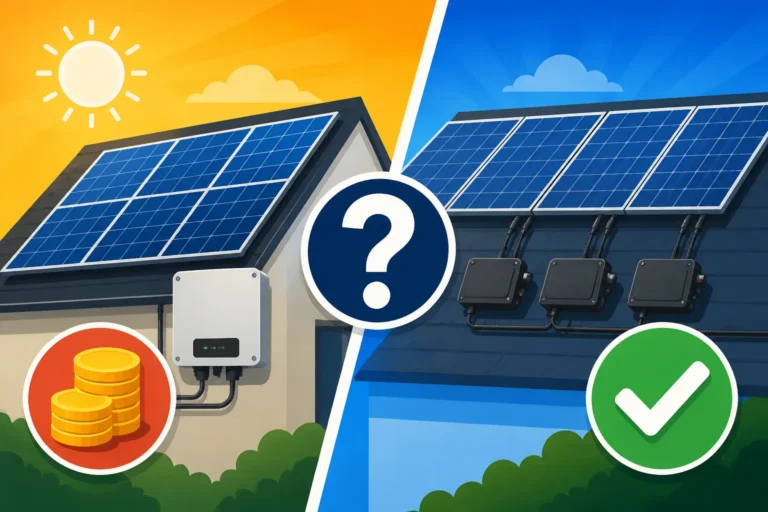
- String Inverters: These are the traditional choice. Multiple solar panels are wired together in a "string," and the DC power from that entire string is fed into a single central inverter, which converts it to AC power. The catch here is that the output of the entire string is limited by the weakest-performing panel. If one 400W panel in a string is shaded or underperforming, it can drag down the output of all the other 400W panels in that string. This makes them less ideal for roofs with significant shading challenges. However, string inverters are generally the most cost-effective option for large, unshaded roof sections.
- Microinverters: In contrast, microinverters are small devices installed under each individual solar panel. Each microinverter converts the DC power from its specific panel into AC power independently. This means if one 400W panel is shaded, it only affects that panel's output, not the entire array. This maximizes overall system production, especially in partially shaded conditions. Popular brands like Enphase Energy are well-known for their microinverter technology. They also allow for easier expansion of your system later on, as you can simply add more panels and microinverters.
- Power Optimizers: Often seen with SolarEdge systems, power optimizers are a hybrid solution. Like microinverters, optimizers are installed on each panel to optimize its DC output. However, instead of converting to AC at the panel level, the optimized DC power is then sent to a central string inverter for conversion to AC. This offers similar benefits to microinverters in terms of individual panel optimization and shading mitigation, while often being slightly more cost-effective than a full microinverter setup.
The choice between these depends on your roof's characteristics, your budget, and how much flexibility you want. Our guide on Solar Inverters: String vs Microinverter vs Optimizer delves deeper into these options.
Solar Battery Integration for Energy Storage
Adding a solar battery to your system allows you to store excess electricity generated by your panels instead of sending it all back to the grid (though for some, Net Metering Explained: How It Works by State is still a great option). This is particularly beneficial in areas with less favorable net metering policies, or for homeowners who want energy independence and backup power during grid outages. Your panel wattage directly impacts how quickly your battery can charge and how much excess energy you have available to store.
If you have a high-wattage solar array, you'll generate more surplus energy during peak sun hours, which can then be used to rapidly charge a battery system like a Tesla Powerwall or Enphase IQ Battery. A robust solar setup with sufficient wattage is crucial for ensuring your battery can be fully charged and provide reliable backup. It's a game-changer for maximizing self-consumption and reducing reliance on your utility. For those contemplating this, exploring "Do I Need a Battery With Solar?" can provide valuable insights.
Optimizing System Performance with Complementary Components
Choosing the right panel wattage is only one piece of the puzzle. The overall performance of your solar energy system comes from the synergy between high-quality panels, efficient inverters, and, if desired, reliable battery storage. A powerful 450W panel is only as good as the inverter that converts its energy and the battery that stores its surplus. Installers meticulously size these components to work together seamlessly.
For instance, a system with 450W panels paired with individual microinverters like the Enphase IQ8 can offer superior performance in shaded conditions and allow for granular monitoring of each panel's output. Alternatively, a large, unshaded roof with 400W panels might be paired with a high-capacity string inverter and a large battery bank for maximum energy capture and storage. When considering these components, even things you might order online to monitor your system or keep it clean, such as a specialized cleaning kit, become part of ensuring optimal performance. You can find many such useful accessories on platforms like Amazon.
Debunking Common Myths About Solar Panel Wattage
There’s a lot of information floating around about solar panels, and not all of it is accurate. When it comes to wattage, many misconceptions can lead homeowners down the wrong path or cause them to make less-than-optimal decisions. Let’s clear up some of the most persistent myths.
Myth: Higher Wattage Always Means Better
This is perhaps the most common misconception. While it's true that a higher wattage panel can produce more power under ideal conditions, it doesn't automatically mean it's the "best" panel for your specific situation. For many homes, particularly those with ample, unobstructed roof space, a slightly lower wattage panel (like a 350W or 375W model) might be a more cost-effective choice if its price per watt is significantly lower. You might simply install a few more of them to achieve the same total system size.
The "better" panel is the one that best suits your roof's characteristics, your energy consumption patterns, and your budget. If you have limited roof space, then yes, higher wattage panels are probably better for you because they maximize the energy produced per square foot. But for others, prioritizing the total system cost and the overall Solar ROI & 25-Year Savings Breakdown might mean that slightly less powerful, but more affordable, panels are the smarter choice. Don't fall into the trap of thinking a bigger number always equals a better investment without considering the full context.
Myth: All Panels of the Same Wattage Perform Identically
This myth assumes that if two panels are both rated at, say, 400W, they will perform identically in the real world. This is simply not true. While their peak power output under Standard Test Conditions (STC) might be the same, their performance in real-world conditions can vary significantly due to several factors:
- Temperature Coefficient: Solar panels lose efficiency as they get hotter. Panels with a lower (more negative) temperature coefficient will maintain their efficiency better in hot climates. So, a 400W panel with a better temperature coefficient might outperform another 400W panel in a scorching Arizona summer.
- Low-Light Performance: Some panels are designed with better low-light performance, meaning they can start generating electricity earlier in the morning, later in the evening, and on cloudy days. Again, two 400W panels might have different capabilities here.
- Manufacturing Quality and Tolerances: Reputable brands (like some of the Best Solar Panels of 2026) adhere to stricter manufacturing quality controls, ensuring their panels consistently meet or exceed their stated wattage. Less reputable brands might have wider tolerances, meaning their 400W panel could produce slightly less power than advertised.
- Degradation Rate: As discussed, panels degrade over time. A panel with a lower annual degradation rate will maintain its 400W output closer to its original rating for longer than a panel with a higher degradation rate.
Therefore, when comparing panels, always look beyond just the headline wattage number. Dive into the datasheets or ask your installer about these performance nuances.
Myth: Wattage Is the Only Spec That Matters
While wattage is undoubtedly important, it's just one of several critical specifications you should consider when choosing solar panels. Focusing solely on wattage can lead to overlooking other crucial aspects that impact your system's longevity, reliability, and overall return on investment.
Other specs that matter include:
- Efficiency: How effectively the panel converts sunlight into electricity. Higher efficiency can mean more power from less space.
- Temperature Coefficient: As mentioned, this indicates how well a panel performs in heat.
- Warranties: Both product (defects) and performance (output over time) warranties are vital for long-term peace of mind. Our guide on Solar Panel Warranties Explained details this.
- Durability and Build Quality: How well the panel is constructed to withstand weather elements like hail, wind, and snow.
- Manufacturer Reputation: The track record and financial stability of the company producing the panels.
- Aesthetics: For some homeowners, the appearance of the panels on their roof is a significant consideration.
- Cost per Watt: This provides a more accurate comparison of value than just the raw wattage.
A truly informed decision involves weighing all these factors against your specific needs and goals, not just chasing the highest wattage number available.
Comparing Solar Panel Wattage: A Practical Guide
Navigating the various solar panel options and their wattages can still feel like a maze, even after understanding the basics. To make an informed decision, it's not enough to just know what wattage means; you need to know how to compare different options effectively and ask the right questions.
Key Metrics to Compare Beyond Wattage
While wattage gives you the raw power rating, a holistic comparison requires looking at several other metrics to understand the true value and performance of a panel.
- Efficiency Rating: This percentage indicates how much of the sunlight hitting the panel is converted into electricity. A 22% efficient 400W panel is technically more advanced and compact than an 18% efficient 400W panel. For limited roof space, higher efficiency is often a priority.
- Temperature Coefficient: Look for a negative number closer to zero (e.g., -0.29%/°C is better than -0.40%/°C). This tells you how much the panel's output will drop for every degree Celsius above 25°C (77°F). In hot climates like Phoenix, Arizona, a better temperature coefficient can lead to significantly more energy production over the year.
- Physical Dimensions: Two panels with the same wattage might have different physical sizes depending on their cell technology and design. This is crucial for roof layout and maximizing the number of panels you can fit.
- Warranty: Compare both the product warranty (covering manufacturing defects, usually 12-25 years) and the performance warranty (guaranteeing a certain output percentage after 20-25 years). A longer, stronger warranty signals manufacturer confidence in the panel's durability and longevity.
- Manufacturer and Certifications: Research the manufacturer's reputation, financial stability, and certifications (like IEC, UL). Tier 1 manufacturers often indicate robust research and development, and a strong track record.
By comparing these metrics side-by-side, you gain a much clearer picture of which panel truly offers the best value and performance for your particular situation, rather than just going for the highest wattage number on paper.
Understanding Warranties and Reliability
Warranties are your long-term insurance policy for your solar investment. There are typically two main types:
- Product Warranty: This covers defects in manufacturing, materials, and workmanship. It ensures that the physical panel itself will function as intended for a specified period, typically 12 to 25 years. A longer product warranty (e.g., 25 years from brands like Maxeon or REC) is a strong indicator of quality and durability.
- Performance Warranty: This guarantees that the panels will produce at least a certain percentage of their original rated output after a specified number of years, usually 20 or 25 years. A common guarantee is 80-85% of original output after 25 years. A higher percentage means less degradation and more reliable long-term production.
Beyond these, you should also consider the installer's workmanship warranty, which covers the quality of the installation itself. A reputable installer will stand by their work for many years. When evaluating quotes, always compare the warranties offered by different panel brands and installers. Reliability of a panel isn't just about its initial wattage, but about its ability to maintain that performance for decades, backed by a solid warranty. This is why thorough research into Solar Panel Warranties Explained is so important.
Getting Multiple Quotes and Expert Advice
The best way to confidently choose the right solar panel wattage and overall system is to gather information from multiple sources and rely on expert advice. Don't settle for the first quote you receive. Contact at least three different solar installers in your area.
Each installer will likely offer different panel brands, wattages, and system designs based on their preferred equipment and their assessment of your home. By comparing these proposals, you can:
- See a range of options: You might find that one installer recommends 375W panels, another 400W, and a third 420W, each with a different total system size and price point.
- Compare pricing: Look at the total system cost, the cost per watt (which is crucial for an "apples-to-apples" comparison), and financing options.
- Ask detailed questions: Use the information from this guide to ask specific questions about panel efficiency, temperature coefficient, warranties, and how they plan to mitigate shading.
- Understand different inverter technologies: See if microinverters, optimizers, or string inverters are recommended and why.
- Negotiate: Having multiple quotes gives you leverage to ensure you're getting a competitive price and the best value.
A good solar consultant will take the time to explain their recommendations, clarify the pros and cons of different wattage panels for your specific roof, and provide realistic energy production estimates. They should be able to articulate why a certain panel wattage or brand is the right fit, rather than just pushing a single option.
Disclaimer
The information provided in this guide is for general informational purposes only and does not constitute professional advice. While we strive to provide accurate and up-to-date content, solar technology, incentives, and market conditions are constantly evolving. We recommend consulting with qualified solar professionals and financial advisors to assess your specific needs and determine the best solar solutions for your home.