Solar Installation Process in Maryland
Embarking on the solar journey for your Maryland home can feel a bit overwhelming, what with all the permits, paperwork, and technical jargon. It's totally normal to wonder where to even begin, especially when you just want to understand the practical steps to finally ditch those ever-rising electricity bills. This comprehensive guide will walk you through the entire solar installation process in Maryland, breaking down each phase so you know exactly what to expect from start to finish.
Understanding Maryland's Unique Solar Landscape
Maryland has really stepped up its game in promoting renewable energy, and that's fantastic news for homeowners like you considering solar. However, navigating the state and local specifics can sometimes feel like deciphering a secret code. It's not just about slapping panels on your roof; it's about understanding the specific regulations and opportunities that make going solar in the Old Line State a truly worthwhile endeavor.
Key State-Specific Regulations and Policies
Maryland operates under a robust Renewable Portfolio Standard (RPS), which essentially mandates that a certain percentage of the state's electricity come from renewable sources. This commitment is a big driver behind the incentives available to homeowners. A major player in this landscape is the Solar Renewable Energy Credit (SREC) program. When your solar panels generate electricity, you earn SRECs, which you can then sell on a market, providing an additional income stream. This isn't pocket change either; the value of these credits can significantly boost your overall solar savings. Understanding the nuances of programs like SRECs, and how they contribute to your overall return on investment, is crucial. You can dive deeper into the specifics by checking out our guide on Maryland Solar Incentives & SREC Guide.
Beyond state-level programs, local regulations also play a significant role. Depending on whether you live in a bustling urban area like Baltimore City, a sprawling suburb in Montgomery County, or a more rural setting on the Eastern Shore, you might encounter slightly different requirements. These can range from zoning ordinances dictating where panels can be placed to aesthetic guidelines in historic districts. It’s always a good idea to research your specific county or municipality's regulations early in the process, as this knowledge can save you time and potential headaches down the line.
Permitting Challenges and Local Nuances
The permitting process is often cited as one of the most frustrating parts of going solar, and in Maryland, it's no different. While the state encourages solar, the actual permit approvals are handled at the county or even city level, leading to a patchwork of procedures. For instance, residents in Montgomery County will deal with the Department of Permitting Services, which has its own set of forms, fees, and review timelines. Contrast that with Anne Arundel County, where the permitting process through the Department of Inspections and Permits might have slightly different requirements for structural reviews or electrical diagrams.
These local nuances mean that what flies in Frederick County might require additional documentation in Prince George's County. Your solar installer should be well-versed in these variations, but it's still helpful for you, as the homeowner, to have a general understanding. Some jurisdictions might fast-track solar permits, while others, due to staffing or backlogs, might take several weeks or even months. The good news is that reputable solar companies often handle the bulk of this paperwork for you, drawing on their experience to ensure applications are complete and compliant, helping to smooth out what can otherwise be a bumpy part of the journey. When working with a platform like Modernize, they connect you with installers who are familiar with these local requirements.
The Step-by-Step Solar Installation Journey in Maryland
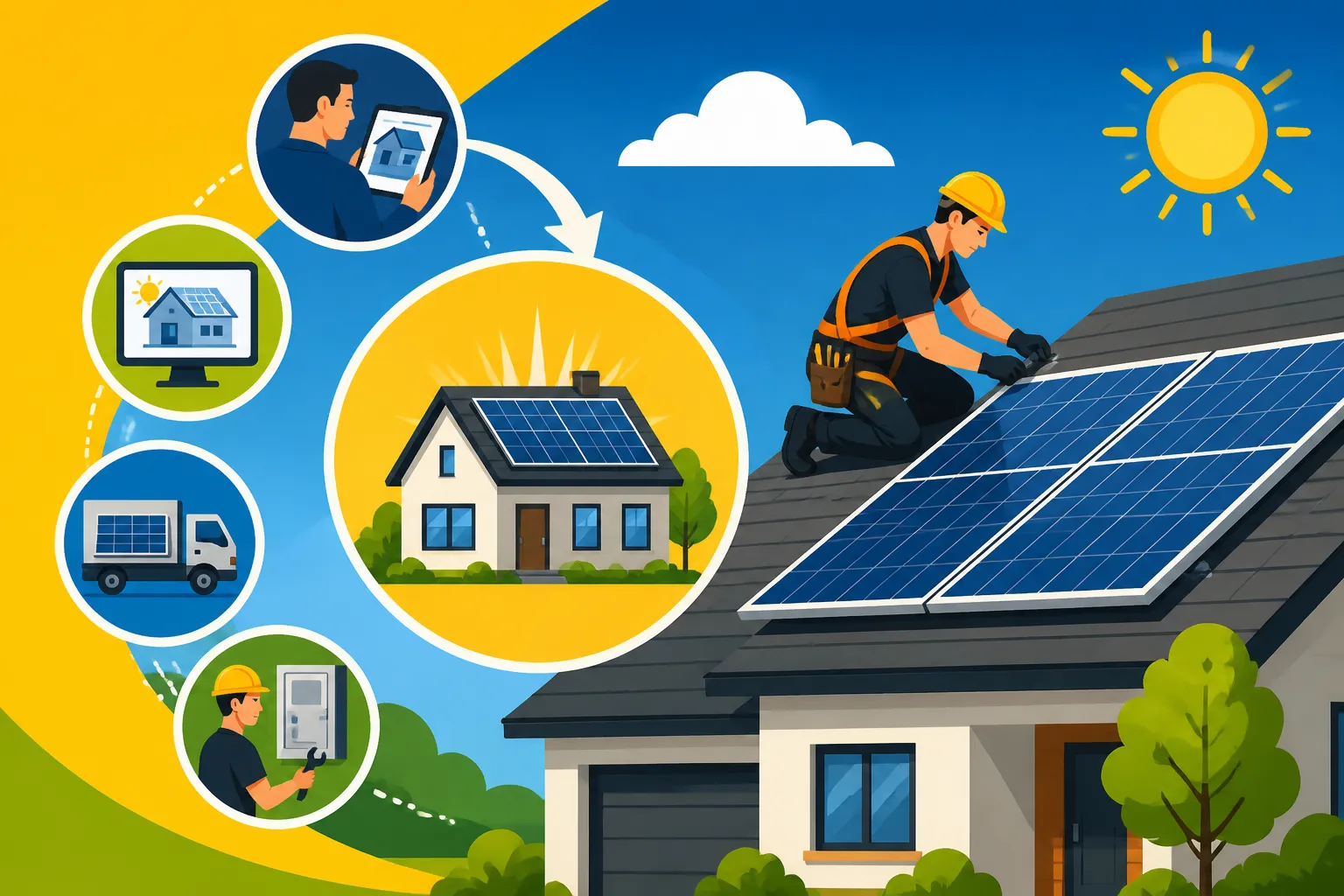
Getting solar panels installed on your Maryland home is a process, not a single event. It involves several distinct phases, each with its own set of tasks and timelines. Knowing what each step entails can help you feel more in control and less stressed during the transition to clean energy.
Initial Consultation and Site Assessment
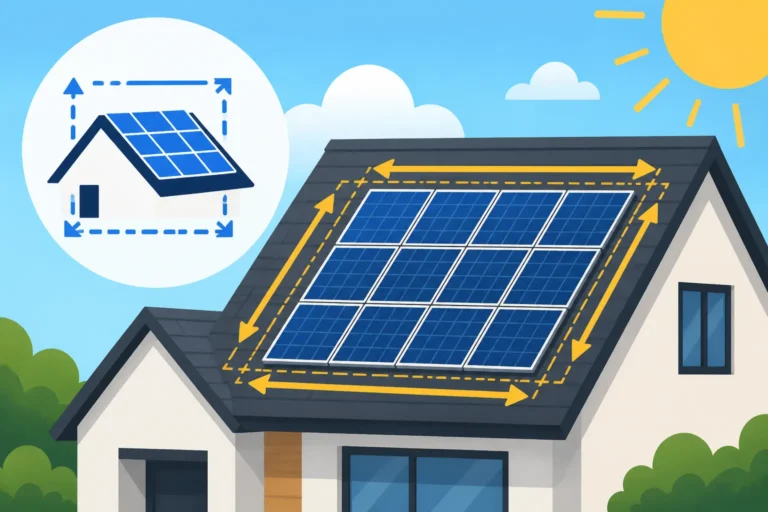
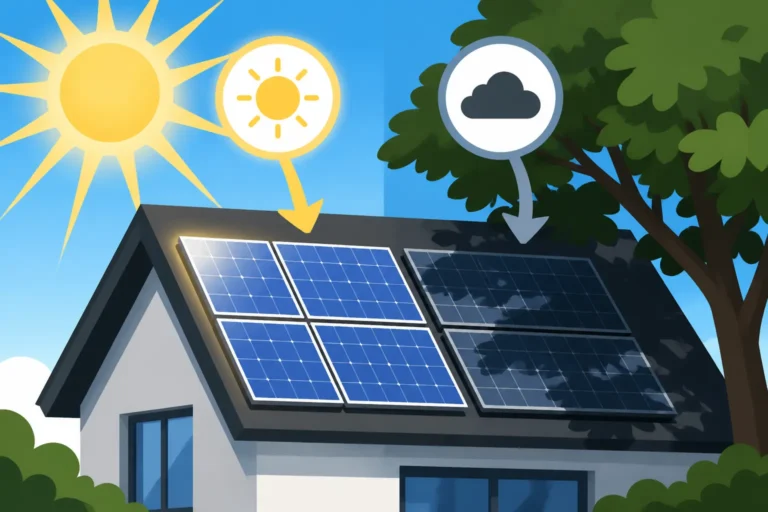
Your solar journey typically kicks off with an initial consultation. This is where a solar professional comes to your Maryland home (or conducts a virtual assessment) to understand your energy needs, inspect your roof, and evaluate its solar potential. They'll look at factors like roof size, pitch, age, and most importantly, shading from trees or neighboring buildings. For example, if you live in Bethesda with mature trees surrounding your property, the installer will use specialized software to analyze how much sunlight your roof receives throughout the year. This helps determine the optimal placement and number of panels.
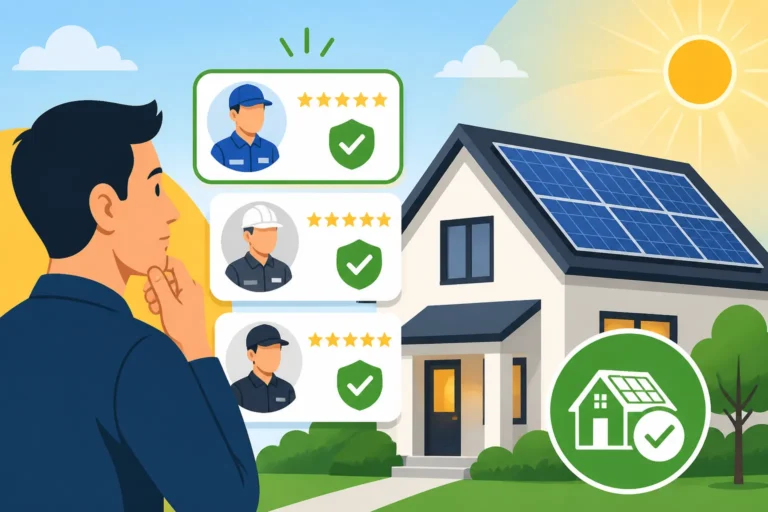
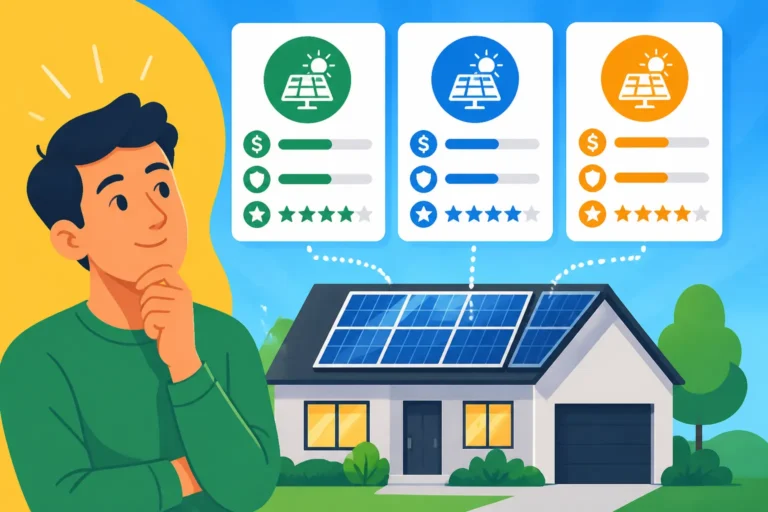
During this phase, the installer will also examine your current electrical panel to ensure it can handle the new solar system. If your panel is older, you might need an upgrade, which would be factored into the overall cost. This is also the time to discuss your average electricity consumption, so the system can be sized appropriately to meet your goals, whether that's offsetting 100% of your usage or just a portion. It's smart to get several quotes during this stage to compare designs, equipment, and pricing. Websites like Modernize can be incredibly helpful for this, allowing you to connect with multiple vetted installers in your Maryland area, ensuring you get competitive offers and a system tailored to your specific needs. Understanding how to choose the right installer is paramount, and you can find more tips in our guide on How to Choose a Solar Installer.
Design, Permitting, and Equipment Procurement
Once the site assessment is complete and you've decided on an installer, the detailed design phase begins. Engineers will create a custom solar system layout, specifying the number and type of solar panels, the inverter system (whether it's string inverters, microinverters, or power optimizers), and the racking system that will secure the panels to your roof. For example, if your roof has multiple angles or significant shading, your installer might recommend microinverters or optimizers, which allow each panel to operate independently, maximizing overall energy production. You can learn more about these options by reading our article on Solar Inverters String vs Microinverter vs Optimizer.
With the design finalized, your installer will prepare and submit all necessary permits to your local Maryland jurisdiction. This includes electrical permits, structural permits, and often zoning permits. They will also apply for interconnection approval from your utility company, such as BGE, Pepco, or Delmarva Power. This step can take weeks or even a few months, depending on the municipality's backlog and the completeness of the application. It’s a waiting game, but a crucial one, as installation cannot proceed without these approvals. During this time, the solar company will also order the specified equipment, ensuring everything is ready for the physical installation once permits are in hand. Delving into the full process will give you a better understanding of Solar Permitting & Interconnection PTO Explained.
The Physical Installation and Inspection
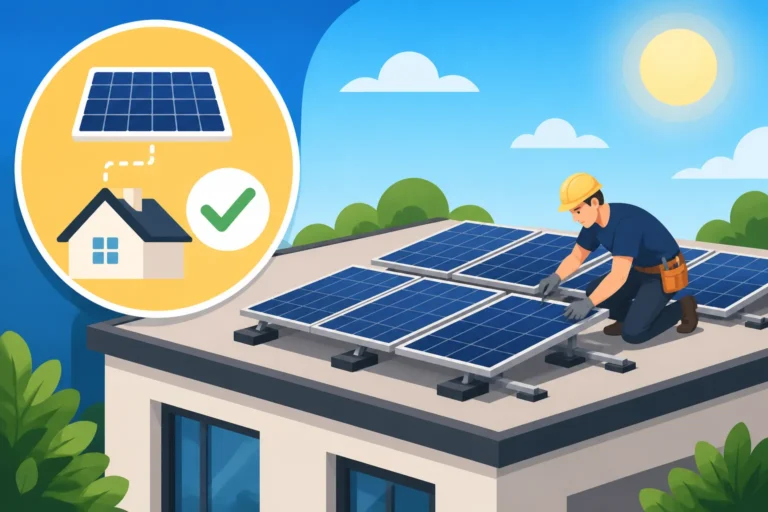
This is the part most homeowners get excited about: seeing the panels go up! Once all permits are approved and equipment has arrived, the installation team schedules a date. The actual physical installation usually takes 1-3 days, depending on the system size and complexity of your roof. The process involves several key steps:
- Racking Installation: The crew will first install the racking system onto your roof. This framework provides the sturdy base for the solar panels and is anchored securely to your roof's rafters, typically with flashing to prevent leaks.
- Panel Mounting: Next, the solar panels are carefully hoisted onto the roof and secured to the racking system. Each panel is connected, and the wiring is run through conduits to your inverter(s) and then to your home's main electrical panel.
- Electrical Work: The inverters are typically installed near your main electrical panel, either inside a garage or outside your home. Electricians will connect the solar array to the inverter, and then integrate the inverter with your home's electrical system and the utility grid. This often involves upgrading your service panel or installing a new sub-panel.
After the physical installation is complete, your local Maryland building department will conduct an inspection. This inspection ensures that the installation meets all local building codes, electrical codes, and safety standards. They’ll check everything from the structural integrity of the racking to the wiring connections. Passing this inspection is a green light for the next, equally crucial, step. You can get a more detailed look at the installation steps in How Are Solar Panels Installed Step by Step.
Interconnection and Permission to Operate (PTO)
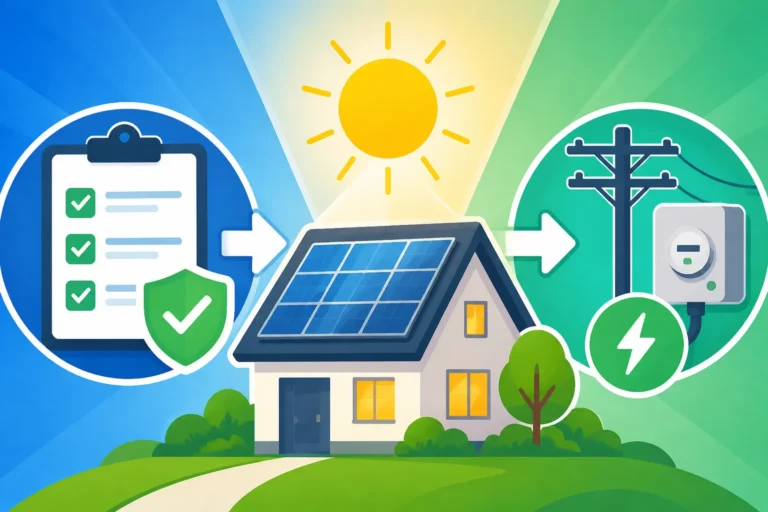
Even after your panels are installed and pass inspection, you can’t just flip a switch and start generating electricity. The final, critical step is getting approval from your utility company to connect your system to the grid. This is called "interconnection," and once approved, you'll receive "Permission to Operate" (PTO). Your solar installer will submit the necessary paperwork to your specific Maryland utility, whether it's BGE, Pepco, or Delmarva Power.
The utility company reviews the system design and ensures it meets their safety and operational standards. They will also typically install a new net meter (or reprogram your existing one) that measures both the electricity you draw from the grid and the excess electricity your solar panels send back to it. This bi-directional metering is essential for programs like Net Metering Explained How It Works by State, which allows you to earn credits for your surplus generation. Once the utility gives its final approval, you’ll receive PTO, and that’s when you can finally energize your system and start enjoying your own clean, renewable energy. This final permission is what truly makes your system live, transforming you from a passive consumer to an active energy producer. Understanding What Is Permission to Operate PTO is vital for every solar homeowner.
Maximizing Your Solar Experience in Maryland
Getting solar panels installed is a fantastic achievement, but the journey doesn't end when the switch is flipped. To truly make the most of your investment in Maryland, it's important to stay informed about ongoing incentives and properly maintain your system.
Navigating Incentives and Financial Aid
Maryland offers a variety of incentives designed to make solar more accessible and affordable. Beyond the SRECs we discussed earlier, you'll want to explore other potential financial aid opportunities. While the federal solar tax credit (Investment Tax Credit) is a significant one, applying nationwide, Maryland might have additional state or local programs. For example, some counties or municipalities occasionally offer property tax incentives or grants, though these can change. Always ask your installer about any lesser-known local programs that could benefit you. Many homeowners also find that connecting with resources through platforms like Modernize can help them uncover all available options, as these services often have up-to-date information on regional incentives.
Remember, the goal is to maximize your savings and accelerate your payback period. Don't leave money on the table! It's always a good idea to check eligibility for Federal Solar Incentives That Still Exist in 2026, as these are often the largest financial boosts. Additionally, many Maryland utility companies offer their own rebates for solar installations. These utility solar rebates can vary, so it's worth asking your specific provider (like BGE or Pepco) what they offer. Our article on Utility Solar Rebates How to Find Yours can provide further guidance. Understanding the full picture of available incentives is key to appreciating the true value of your solar investment.
Post-Installation Monitoring and Maintenance
Once your solar system is up and running, most modern installations come with sophisticated monitoring systems. These typically use an app on your smartphone or a web portal that allows you to track your system's energy production in real-time. You can see how much electricity your panels are generating, track historical data, and even identify any potential issues, like a panel underperforming due to shading or a technical glitch. For example, if you notice a sudden dip in production on a sunny day in Silver Spring, your monitoring system will alert you, prompting you to investigate or contact your installer.
In terms of maintenance, solar panels are remarkably durable and require very little hands-on care. For most Maryland homeowners, routine cleaning isn't usually necessary, as rain often does the job of washing away dust and pollen. However, if you live in an area with a lot of tree pollen, or notice a significant buildup of dirt, a gentle rinse with a garden hose can help optimize performance. It's generally not recommended to use abrasive cleaners or high-pressure washers, as these can damage the panels. Regular visual inspections from the ground to check for any obvious damage or excessive debris are a good idea. For a deeper dive into upkeep, our guide on Solar Panel Maintenance & Cleaning offers valuable tips. While the initial How Much Do Solar Panels Cost may seem like a big investment, the low maintenance combined with incentives and energy savings often makes it a smart financial move in the long run.
Summary of Maryland Solar Installation Steps and Timelines
To give you a clearer picture, here's a general overview of the solar installation timeline you can expect in Maryland. Keep in mind that these are estimates, and individual projects can vary based on factors like permit backlog, system complexity, and installer availability.
| Step | Description | Estimated Timeline (Maryland) | Key Parties Involved |
|---|---|---|---|
| Initial Consultation & Quote | Home assessment, energy usage analysis, system design proposal, and cost estimate. | 1-2 weeks | Homeowner, Solar Consultant |
| Contract & Financing | Agreement on system, price, and financing (loan, cash, PPA). | 1 week | Homeowner, Solar Installer, Lender (if applicable) |
| Site Survey & Engineering | Detailed measurements, structural analysis, final system design, electrical schematics. | 2-4 weeks | Solar Installer (Engineers, Surveyors) |
| Permit Applications | Submission of building, electrical, and zoning permits to local county/city authority (e.g., DPS, DIPE). | 4-12 weeks (highly variable) | Solar Installer, Local Permitting Office |
| Utility Interconnection Request | Application to your utility (e.g., BGE, Pepco) for grid connection approval. | 2-4 weeks | Solar Installer, Utility Company |
| Equipment Procurement | Ordering and receiving solar panels, inverters, racking, and other components. | 2-6 weeks | Solar Installer, Suppliers |
| Physical Installation | Mounting racks, installing panels, wiring, electrical hookup. | 1-3 days | Solar Installation Crew |
| Local Inspections | Local building department inspection to ensure code compliance. | 1-2 weeks | Local Building Inspector |
| Utility Net Meter & PTO | Utility installs net meter, gives final approval to turn on the system. | 2-4 weeks | Utility Company |
| System Activation | Flipping the switch and generating your own solar power! | Immediate after PTO | Homeowner, Solar Installer |
| Total Estimated Time | From consultation to active solar power. | 3-6 Months (or longer) |
Disclaimer
The information provided in this article is for general informational purposes only and does not constitute professional advice. Solar policies, incentives, and costs are subject to change, and local regulations vary. Always consult with qualified solar professionals and relevant authorities for advice tailored to your specific situation in Maryland.