Do I Need to Replace My Roof Before Installing Solar?
It's a really common question, and honestly, a smart one to ask when you're thinking about going solar: "Do I need to replace my roof first?" Many homeowners find themselves in a bit of a pickle, excited about the idea of generating their own clean energy, but then they look up at their roof and wonder if it's truly ready for such a big commitment. This guide is here to walk you through everything you need to consider, helping you decide if your roof is good to go, or if it needs a little TLC—or a full overhaul—before those shiny new panels go on.
Assessing Your Roof's Current Condition for Solar
Before you get excited about cutting your electricity bills, the very first step in your solar journey should always involve a thorough look at the foundation that will support your new energy system: your roof. Ignoring its current state could lead to headaches and extra expenses down the road that no one wants.
How Roof Age and Material Affect Solar Readiness
Think of your solar panels as a long-term marriage with your roof. Most high-quality solar panels come with performance warranties that guarantee their output for 25 to 30 years. That's a significant chunk of time! Now, if your roof is already 15-20 years old and you have asphalt shingles, which typically last 20-25 years, you can see the potential problem. You'd likely be looking at a major roof replacement only a few years into your solar journey.
Different roofing materials have varying lifespans and present different considerations for solar installation. Asphalt shingles, as mentioned, are common but have a finite life. Metal roofs, on the other hand, can last 40-70 years, making them an excellent candidate for solar panels at almost any point in their life. Tile roofs are also very durable, often lasting 50 years or more, but their brittle nature can make installation more complex, sometimes requiring specialized mounting systems. Wood shake roofs have a shorter lifespan and often require more maintenance, which isn't ideal for supporting a solar array. It's crucial to understand your specific roof material's expected longevity and current condition. For a deeper dive, check out our guide on Roof Considerations for Solar Panels.
Signs Your Roof Needs Attention Before Solar
It's not just about age; sometimes, a younger roof can still have underlying issues that need addressing. A good solar installer will typically conduct a detailed site survey that includes a roof inspection, but it helps to know what to look for yourself. Common red flags include visible sagging, which indicates structural issues that absolutely must be resolved before adding any weight. Missing, curled, or cracked shingles are signs of wear and tear that can lead to leaks, especially once mounting hardware is installed. Patches of moss or extensive algae growth can trap moisture, accelerating roof decay.
Damaged flashing around chimneys, vents, or skylights is another major concern. Flashing is designed to prevent water intrusion, and if it's already compromised, solar installation could make it worse or simply cover up an existing problem that will be much harder to fix later. If you spot any signs of active leaks inside your attic or home, that's an immediate indicator that your roof needs professional repair, if not replacement, before you even consider solar panels. You want your roof to be a solid, watertight foundation for your solar system, not a ticking time bomb.
The Financial and Practical Implications of Waiting
Deciding to defer a necessary roof replacement until after solar panels are installed might seem like a way to save money or time upfront, but in the long run, it almost always leads to significantly higher costs and a bigger headache. Trust me, you don't want to learn this the hard way.
The Cost of a Mid-Solar Roof Replacement
Imagine this scenario: you've got your beautiful solar panels humming along, generating clean energy and saving you money. Then, five years in, your aging roof finally gives out. Now what? To replace the roof, your solar panels and their associated racking system have to come off. This isn't a simple task. It involves specialized labor to safely disconnect, remove, and store the panels, protect the delicate inverters and wiring, and then reinstall everything once the new roof is on.
The costs associated with this process can be substantial. You're typically looking at several thousand dollars just for the removal and reinstallation, on top of the actual roofing costs. This includes labor for the solar technicians, potential equipment rental (like lifts), and the risk of accidental damage to your panels or inverters during the process. Any damage isn't usually covered by your homeowner's insurance if it's due to a planned de-installation. Plus, while your panels are off, you're not generating electricity, meaning you're back to paying your utility company for all your power needs, negating some of the savings you've worked hard to achieve. It's an interruption no one wants, both financially and practically.
Maximizing Your Solar Investment and Warranty
Your solar panel system is a major home improvement, and like any investment, you want to protect it and maximize its return. Installing panels on a roof that's in excellent condition from day one ensures that your solar investment has the longest possible undisturbed lifespan. When your roof is sound and ready to last as long as your panels, you get the full benefit of those 25+ years of energy production. This directly impacts your Solar Panel Payback Period Explained and overall financial savings.
Furthermore, solar panel warranties, and sometimes even the installation warranties from your solar provider, often assume a stable and sound mounting surface. If your roof fails prematurely due to existing conditions, it could potentially complicate warranty claims related to the mounting or performance of the panels, should an issue arise. A solid roof provides peace of mind, knowing that the foundation of your solar power plant is as robust as the technology itself. Think about it: why buy a brand-new car and put it on old, rusty tires? You want everything working in harmony for maximum efficiency and longevity.
Making the Decision: Repair, Replace, or Install Solar Anyway?
This is where the rubber meets the road, or rather, where your decision impacts your roof and your wallet. It's not always a black-and-white answer, but with careful consideration, you can make the best choice for your home and your budget.
When a Simple Repair Might Suffice
Not every roof issue demands a full replacement. If your roof is relatively young (say, under 10-12 years old for asphalt shingles) and has very localized, minor issues like a few missing shingles from a storm, or a small section of damaged flashing, a targeted repair might be perfectly acceptable. The key here is localized and minor. A professional roofer can assess these issues and tell you if a repair will genuinely extend the roof's life enough to align with your solar panel's expected lifespan.
For instance, if you have a sound, 8-year-old asphalt shingle roof with a small, easily repairable patch of damage, investing in that repair makes sense. It means you can move forward with your solar installation and expect your roof to last another 10-15 years, which covers a significant portion of your solar system's functional life. The goal is to avoid having to lift the panels off for a roof replacement too soon after installation.
Combining Roof Replacement with Solar Installation
For many homeowners, the most strategic approach is to combine a new roof installation with their solar panel installation. If your roof is already approaching the end of its life, or has significant issues, doing both projects at once offers several advantages. First, you get a brand-new, robust roof that's ready to support your solar system for its entire 25-30 year lifespan, giving you ultimate peace of mind.
Second, there can be cost efficiencies. When roofers and solar installers coordinate, they can often share scaffolding or staging equipment, potentially reducing labor costs. The solar mounting system can be installed directly onto a fresh, clean surface, ensuring optimal sealing and structural integrity from the start. Many solar companies today even offer roofing services or have established partnerships with trusted local roofers, streamlining the entire process for you. This combined approach often results in a smoother installation timeline and fewer disruptions.
How to Get the Right Advice
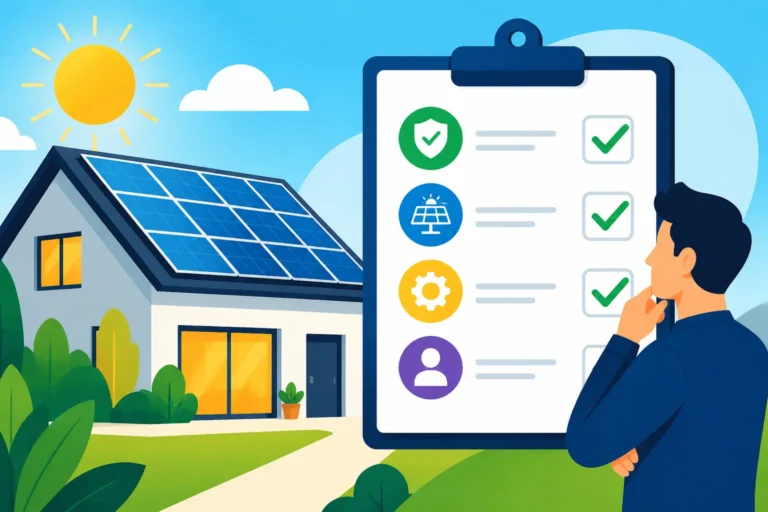
Making such a significant decision requires expert input. Don't rely on a single opinion. Start by getting a professional roof inspection from a reputable roofing contractor, completely separate from any solar discussions. They can give you an unbiased assessment of your roof's remaining life, structural integrity, and any necessary repairs. Next, get a detailed site survey from your chosen solar installer. They will evaluate your roof's angle, sun exposure, and structural capacity to hold the panels.
It can feel overwhelming to find reliable professionals, and that's where services like Modernize can be incredibly helpful. They connect homeowners with vetted solar and roofing contractors, allowing you to get multiple, detailed quotes and assessments. Compare these quotes carefully, looking not just at the price, but at the scope of work, warranties offered, and the experience of the companies. Ask tough questions about projected lifespans, what happens if issues arise, and how they coordinate if both projects proceed. Don't be afraid to ask for references! A truly transparent company will be happy to provide them.
The Installation Process with a New Roof
When you decide to tackle both your roof replacement and solar installation simultaneously, you're essentially orchestrating two major home improvement projects. However, with good planning and communication, this can be a very smooth and beneficial experience.
What to Expect When Coordinating Projects
The key to a successful combined project lies in communication and scheduling. Typically, the roofing work will be completed first. This means your old roof comes off, any necessary structural repairs are made, and the new roofing material is installed. Once the roof is watertight and fully finished, the solar installation team can move in. They'll install the racking system, which involves carefully mounting brackets to your roof's rafters, ensuring they are properly sealed to prevent leaks. Then, the solar panels are mounted onto the racking, followed by the electrical wiring, inverters, and connection to your home's electrical system and the utility grid. You can read more about the entire process in our guide on the Solar Installation Timeline: What to Expect.
It's vital that the roofing and solar teams are in sync. Your solar installer might even have preferred roofing partners they work with regularly, which simplifies coordination. Ensure that all parties are aware of the full scope of work and the timeline. For instance, the roofers need to know where the solar mounts will go to avoid placing vents or other obstructions in those prime sunny spots. Once the solar panels are installed, the last step is usually a final inspection and getting What Is Permission to Operate (PTO)?, which is essentially the green light from your utility company to turn on your system and start generating power.
Benefits of a Fresh Start
There's something incredibly satisfying about embarking on your solar journey with a brand-new roof beneath your panels. This "fresh start" offers significant peace of mind. You won't have to worry about the unexpected cost and hassle of a roof replacement disrupting your solar production years down the line. You've essentially future-proofed your solar investment. This peace of mind translates directly into maximizing your Solar ROI & 25-Year Savings Breakdown.
A new roof also ensures optimal performance for your solar array. A structurally sound, clean roof provides the ideal surface for mounting, minimizing any potential issues related to stability or moisture. Furthermore, adding solar panels to a new roof can significantly increase your home's value. Buyers appreciate knowing that both major components—the roof and the solar system—are modern, durable, and won't require immediate maintenance or replacement. When considering selling your home, a new roof combined with solar is a powerful selling point. You're not just investing in energy; you're investing in your home's long-term health and marketability.
Roof Types and Solar Readiness Considerations
To help you visualize, here's a quick overview of common roof types and how their condition and lifespan typically factor into a solar decision:
| Roof Type | Typical Lifespan | Solar Readiness Considerations |
|---|---|---|
| Asphalt Shingle | 20-25 years | Most common. If nearing end of life (15+ years), consider replacement. Easy to install solar mounts on, but older shingles can be brittle. Look for curling, cracking, missing granules. |
| Metal (Standing Seam) | 40-70 years | Excellent for solar. Long lifespan means rarely needs replacement before solar. Mounting is straightforward and typically doesn't penetrate the roof surface, maintaining watertight integrity. |
| Tile (Clay/Concrete) | 50-100 years | Very durable. If in good condition, no replacement needed. Installation can be more complex and costly due to tile removal/replacement for mounting. Tiles are brittle, requiring experienced installers. |
| Wood Shake/Shingle | 20-40 years | Lifespan varies. Check for rot, moss, and loose shakes. Fire ratings can be a concern. Installation can be more invasive and might impact the roof's natural expansion/contraction. |
| Flat/Low-Slope | 10-20 years | Lifespan depends on material (e.g., TPO, EPDM). If older, replacement often recommended. Solar is typically ballasted (weighted) or tilted-rack systems, which require careful load distribution and membrane integrity. Drainage needs to be considered. |
| Slate | 75-200 years | Extremely durable. Rarely needs replacement. Installation is highly specialized and delicate due to brittle nature and high cost of slate. Expect higher installation costs. |
Remember, this table provides general guidelines. Your specific roof's condition and the expertise of your local contractors will be the ultimate deciding factors. Don't hesitate to reach out to a service like Modernize to find reputable professionals who can assess your unique situation.
Disclaimer
The information provided in this guide is intended for educational and informational purposes only and should not be construed as professional financial, legal, or construction advice. Always consult with qualified and licensed professionals, such as roofing contractors, solar installers, and financial advisors, before making any decisions related to your home or investments. Specific incentives, regulations, and product availability may vary by location and are subject to change.