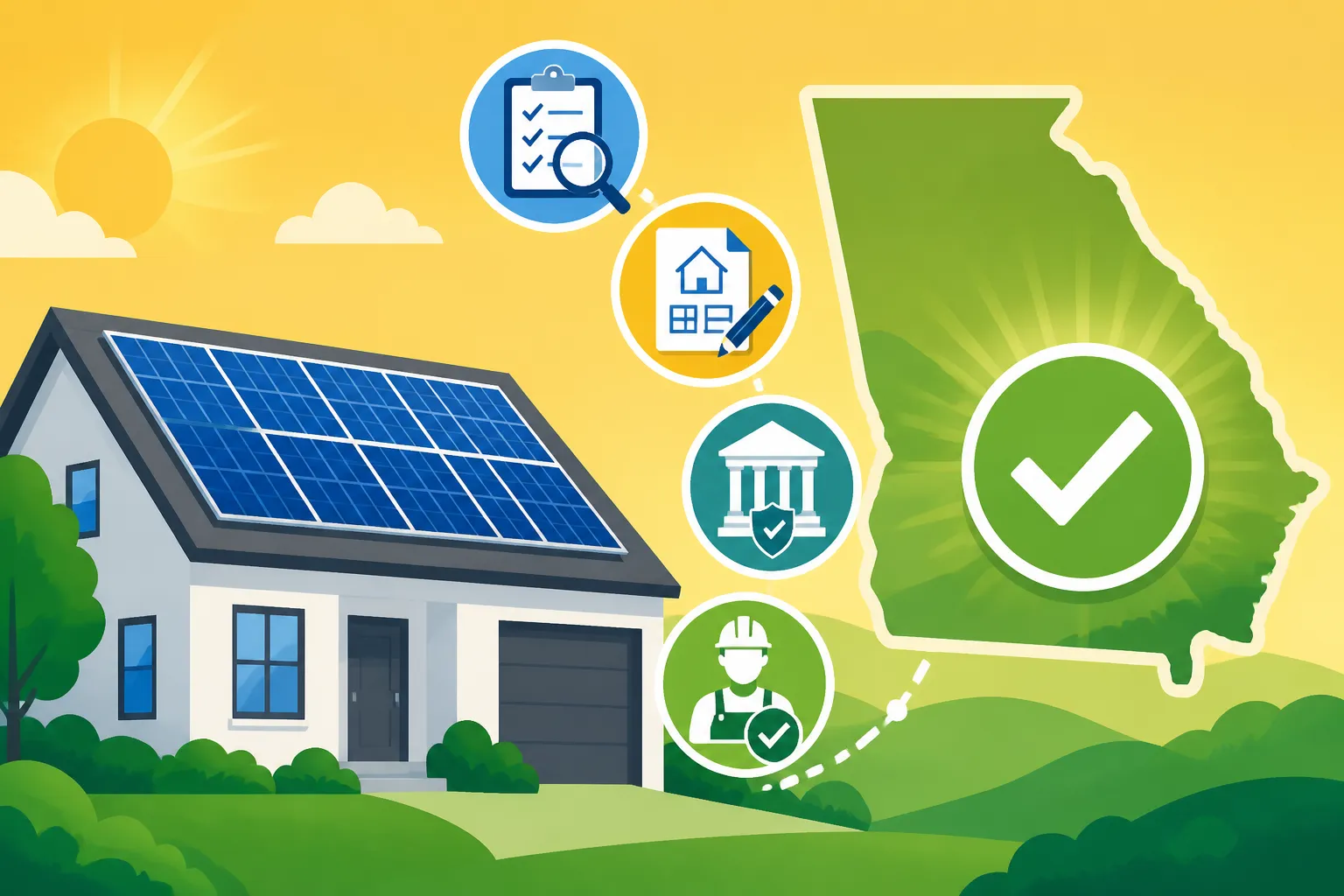
Solar Permit Process in Georgia
Getting solar panels installed on your home in Georgia is an exciting step towards energy independence, but let's be honest, the idea of navigating permits can feel like trying to untangle a giant ball of yarn. It’s frustrating when you just want to get started, only to realize there’s a whole bureaucratic maze to get through first. This guide is here to demystify the solar permit process in Georgia, breaking down exactly what to expect so you can go into it feeling informed and confident, rather than overwhelmed.
Understanding the Georgia Solar Permitting Landscape
Before any solar panel can grace your rooftop in Georgia, there's a crucial hurdle: securing the proper permits. This isn't just red tape for the sake of it; these permits are in place to ensure your system is safe, meets electrical codes, and complies with local building standards. Think of it as a quality control check, protecting your home and investment, as well as the safety of utility workers. Without these permits, you could face fines, removal orders, or even have issues with insurance coverage.
Why Permits Are Essential for Solar Installations
It's easy to get annoyed by the permit process, especially when you’re eager to see those energy bills drop. But consider this: solar panels involve complex electrical work and significant structural additions to your roof. An improperly installed system isn't just inefficient; it can be a fire hazard, damage your roof, or create dangerous conditions for anyone working on the electrical grid. Permits ensure that certified professionals, following strict safety protocols and building codes, are doing the work. This peace of mind is invaluable, knowing your family and home are safe.
Furthermore, these permits ensure your solar system integrates correctly with the utility grid. This is particularly important for processes like net metering, where your system sends excess electricity back to the grid. The local authorities and utility companies need to know your system meets their standards for interconnection to prevent disruptions or hazards. It also validates your system for any potential Solar Tax Credit 2026: What Happened to the Federal Credit or other incentives you might be pursuing.
State and Local Variations in Georgia
Georgia, like many states, has a decentralized approach to solar permitting. While there might be some overarching state guidelines, the actual nitty-gritty of the permit process largely falls to individual counties and municipalities. This is where it gets a little tricky, and often, frustrating for homeowners. What flies in Atlanta might require different paperwork or inspections in Savannah, or even a different unincorporated area of Fulton County compared to a specific city within it.
For instance, a homeowner in Athens-Clarke County might find a more streamlined online portal for applications, while someone in a smaller rural county might still need to visit a local building department in person with paper plans. These variations mean that relying on a local, experienced solar installer is absolutely key. They’ll have boots on the ground knowledge of the specific requirements, fees, and typical timelines for your area. They often work with services like Modernize to connect with homeowners, and these installers are the ones who truly understand the local nuances. They navigate these different requirements for you, taking a huge burden off your shoulders.
The Step-by-Step Solar Permit Application Process in Georgia
The solar permit process, while varying in detail, generally follows a predictable sequence of steps. Understanding this flow can help you stay informed and anticipate what comes next, even if your installer is handling the bulk of the paperwork.
Initial Application and Document Submission
This is where the rubber meets the road. Once you've chosen a solar installer and finalized your system design, your installer will typically prepare the permit application package. This package is comprehensive and usually includes:
- Detailed System Design Plans: These plans, often drafted by an engineer, show the layout of the solar panels on your roof, the electrical wiring diagrams, inverter locations, and how the system connects to your home's main electrical panel and the utility grid. These aren’t just sketches; they’re precise, technical drawings.
- Structural Analysis: A report from a licensed structural engineer confirming that your roof can safely support the additional weight of the solar panels, especially important for older homes or certain roof types.
- Electrical Schematics: Detailed diagrams illustrating the electrical connections, grounding, and safety mechanisms.
- Property Information: Details about your home, including its address, property lines, and sometimes even recent utility bills to verify energy consumption.
- Manufacturer Specifications: Cut sheets and technical data for all major components, such as the solar panels, inverters, and racking system.
- Application Forms: The specific forms required by your local permitting office. These vary greatly by county and city.
Your installer will submit this package to your local building department, whether it's the City of Marietta Planning & Zoning Department or the DeKalb County Department of Planning & Sustainability. They know exactly which forms to fill out and how to present the information to meet local codes. Many installers even use platforms like Modernize to efficiently manage these initial stages, ensuring all necessary documentation is gathered and submitted correctly the first time.
Plan Review and Potential Revisions
Once your application is submitted, it enters the "plan review" stage. This is essentially where local building officials—electrical inspectors, structural engineers, and planners—examine your submitted documents with a fine-tooth comb. They're checking for compliance with the National Electrical Code (NEC), local building codes, fire safety regulations, and zoning ordinances. For example, they'll make sure the panels aren't too close to fire access points or that the inverter is installed in a compliant location.
This stage can feel like a waiting game, and sometimes, a frustrating back-and-forth. It’s not uncommon for reviewers to request revisions or additional information. Maybe a structural detail wasn’t clear, or an electrical diagram needed more specificity. Your installer will manage these requests, making necessary adjustments and resubmitting the plans. This is why having an experienced installer is so vital; they anticipate common issues and can make revisions quickly, avoiding prolonged delays. They understand that a smooth process here prevents costly hiccups later during installation.
Inspections and Permission to Operate
After the plans are approved and the physical installation is complete, you're still not quite done! The next critical step involves a series of inspections by local authorities. These usually include:
- Building Inspection: To ensure the structural mounting of the panels and racking system is sound and adheres to building codes.
- Electrical Inspection: A thorough check of all wiring, grounding, and connections to ensure they are safe and meet NEC standards. This is where they confirm the inverters are correctly installed and all safety disconnects are accessible.
- Utility Inspection: The local utility company (like Georgia Power or Sawnee EMC) will conduct its own inspection to ensure your system can safely connect to their grid and that the new net meter, if applicable, is installed correctly. This is often the final hurdle before your system can truly go live.
Once all inspections pass, you’ll receive what’s known as "Permission to Operate" (PTO) from your utility company. This is the green light you’ve been waiting for! It means your system can officially be turned on and start generating electricity for your home and, potentially, sending excess back to the grid. Without PTO, turning on your system can lead to penalties from your utility provider. Understanding What Is Permission to Operate PTO? is essential for any solar homeowner.
Key Challenges and Tips for Navigating Georgia Solar Permits
Navigating the solar permit process in Georgia, with its local variations, can present a few bumps in the road. Knowing what these challenges are and how to approach them can save you a lot of stress, time, and even money.
Common Pitfalls and Delays
One of the biggest frustrations homeowners face is the sheer variability in permit processing times. In some Georgia counties, the turnaround might be a couple of weeks, while in others, it could stretch to over a month, sometimes even longer if there are many revisions. This can significantly impact your overall Solar Installation Timeline: What to Expect. Here are some common reasons for delays:
- Incomplete or Incorrect Applications: This is probably the number one culprit. Missing signatures, outdated forms, or errors in the design plans will inevitably lead to the application being sent back for revisions, pushing your project back by weeks.
- Staffing Shortages at Permitting Offices: Local government offices, especially in smaller municipalities, can sometimes be understaffed, leading to longer review queues.
- Complex or Unique Installations: If your home has an unusual roof structure, or you're proposing a more complex ground-mount system or a large battery storage addition, the review process might take longer due to the need for more specialized scrutiny.
- Utility Interconnection Delays: Sometimes, the local utility company's internal processes for approving grid connection can add to the wait, even after local building permits are secured.
These delays can feel like hitting a wall, especially when you're already envisioning those lower electricity bills. It's crucial to factor in these potential waiting periods when planning your solar project.
Tips for a Smoother Permitting Experience
While you're not personally responsible for filing the detailed paperwork, you can still play a proactive role in ensuring a smooth permitting process.
- Choose an Experienced Local Installer: This is, without a doubt, the most important tip. A reputable local installer will have a deep understanding of your specific county's or city’s permitting quirks. They know the forms, the right people to talk to, and the common issues that cause delays. They'll also be experienced in handling all the required documentation, from How Many Solar Panels Do I Need for My Home? to the specific wiring diagrams. Many homeowners connect with these experts through services like Modernize, which helps bridge that gap.
- Ensure All Documentation is Pristine: Your installer should be meticulous in preparing the permit package. Don't be afraid to ask them about their process for ensuring completeness and accuracy. A good installer will be happy to walk you through it.
- Communicate Clearly with Your Installer: Stay in touch with your installer throughout the process. Ask for updates on the permit status. If they encounter a revision request, understand what it entails and how it might impact the timeline.
- Understand Your HOA Rules: If you live in a community with a Homeowners Association (HOA), they might have their own approval process for solar installations, sometimes even before you apply for municipal permits. Make sure to understand and adhere to these rules from the outset, as HOAs can sometimes be stricter than local governments, though Georgia state law generally protects your right to install solar.
By being informed and working closely with a knowledgeable solar professional, you can minimize the headaches and keep your solar journey on track. When looking for someone, asking about their experience with permitting in your specific town is a great question to include when you What Questions to Ask a Solar Installer.
Typical Timeline and Costs for Solar Permits in Georgia
Understanding the time and financial commitment for solar permits can help you set realistic expectations for your entire solar installation project. It's not usually a quick process, and there are fees involved.
Average Timeframes for Permit Approval
The timeframe for obtaining solar permits in Georgia can vary widely, but generally, you can expect the entire permitting and interconnection process to take anywhere from 4 to 12 weeks. This window accounts for the initial application submission, plan review, any necessary revisions, and the final inspections including the utility company's PTO (Permission to Operate).
Let's break that down:
- Application Submission & Initial Review: This might take 1-2 weeks for the local office to even begin reviewing the paperwork.
- Detailed Plan Review: This is usually the longest part, often taking 2-6 weeks depending on the backlog at your specific city or county building department.
- Revisions and Resubmissions: If revisions are needed, each cycle can add another 1-3 weeks.
- Post-Installation Inspections: Once the physical installation is done, scheduling and completing the various building, electrical, and utility inspections can take 1-3 weeks.
- Permission to Operate (PTO): This final step, issued by your utility, usually follows within a week or two of the final successful inspection.
Rural counties might have fewer applications to process, potentially leading to faster reviews, while larger metropolitan areas like Atlanta or Augusta-Richmond County might have more rigorous review processes and higher volumes, extending timelines.
Associated Costs for Solar Permits
The costs associated with solar permits in Georgia are typically a combination of local government fees and utility interconnection fees. These are usually included in your overall solar installation quote, but it's good to know what they cover. On average, you can expect these fees to range from $250 to $1,000, though this can fluctuate based on location and system size.
Here's a breakdown of what these costs generally cover:
- Building Permit Fees: Your local city or county building department will charge fees for reviewing your plans and conducting inspections. These fees are often calculated based on the project's valuation (the total cost of your solar system) or a flat fee per kilowatt (kW) of installed capacity. For example, a county might charge $0.10 per watt, so a 10 kW system would incur a $1,000 fee for that component alone.
- Electrical Permit Fees: Separate fees might be charged for the electrical components of the installation, ensuring compliance with electrical codes.
- Plan Review Fees: Some jurisdictions charge an upfront fee just to review the submitted plans, regardless of whether a full permit is issued.
- Utility Interconnection Fees: Your utility company (e.g., Georgia Power, Cobb EMC) will have its own fees for processing your interconnection agreement and performing their final inspection before granting Net Metering Explained: How It Works by State or any other form of export credit. These can range from $50 to a few hundred dollars. You can also learn more about Solar Permit & Interconnection Fees in a dedicated guide.
It's important to remember that while these costs might seem like an extra burden, they are a small percentage of your overall investment in a solar system. They are crucial for ensuring safety, compliance, and the long-term performance of your clean energy system. A transparent solar installer will always break down these costs clearly in your quote, so you know exactly what you're paying for.
Why Working With a Reputable Georgia Solar Installer Matters
Given the complexities of local permitting in Georgia, the importance of choosing a highly reputable and experienced solar installer cannot be overstated. This decision will significantly influence how smoothly and quickly your project moves from initial consultation to flipping the switch on your new solar power system.
The Installer's Role in Permitting Success
Your solar installer acts as the primary orchestrator of the entire permitting process. They don't just put panels on your roof; they manage the bureaucratic heavy lifting, ensuring everything is above board and compliant. Here’s how a great installer makes a difference:
- Expert Navigation of Local Regulations: A seasoned installer in Georgia will have a comprehensive understanding of the specific building codes, electrical standards, and zoning requirements for various municipalities and counties. They'll know if the City of Savannah has slightly different setback rules than unincorporated Chatham County, or if the Georgia Department of Community Affairs has updated state-level codes that affect your project. This local expertise prevents common mistakes that lead to costly delays.
- Preparation of Accurate and Complete Documentation: From engineering plans to electrical schematics and structural assessments, your installer is responsible for assembling a meticulously accurate and complete permit package. They work with licensed electricians and structural engineers to produce documents that meet stringent regulatory standards. Companies like Modernize often vet their network of installers to ensure they have this level of expertise and dedication to detail.
- Managing Revisions and Communications: When a permitting office inevitably requests clarification or revisions, your installer will be the one communicating with officials, making necessary adjustments to the plans, and resubmitting them promptly. This back-and-forth can be tedious and time-consuming, and having a professional manage it saves you immense stress.
- Coordinating Inspections and Utility Interconnection: After installation, your installer coordinates all the required inspections—from local building department checks to the utility company's final review. They ensure your system is ready for inspection and that all post-installation requirements for What Is Permission to Operate (PTO)? are met, leading to faster grid connection.
In essence, your installer is your guide through the permit maze. Without their expertise, you could find yourself overwhelmed by paperwork, facing unexpected delays, or even inadvertently installing a system that doesn't meet local safety and building standards.
Choosing the Right Partner for Your Georgia Solar Project
Selecting the right solar installer is a critical decision that impacts not just the permit process, but the long-term performance and reliability of your solar investment. Here are some key considerations when making your choice:
- Verify Local Experience: Always ask potential installers about their specific experience in your county or city. How many projects have they completed there? Are they familiar with the local permitting office and its staff? An installer with a track record in your immediate area will be much more efficient.
- Check Credentials and Licenses: Ensure your chosen installer is properly licensed in Georgia for electrical and general contracting work. They should also carry appropriate insurance. Don't hesitate to ask for their license numbers and verify them with state licensing boards.
- Review Their Permitting Process: Ask them to walk you through their typical permitting process. A transparent installer will clearly explain each step, what documents they handle, and how they address potential delays. Inquire if they use software or services to streamline their permitting process, as some progressive companies do.
- Read Reviews and Ask for References: Look for online reviews on platforms like Google, Yelp, and the Better Business Bureau. Pay attention to comments related to communication, project timelines, and customer service. Ask for references from past customers in your area and inquire about their permitting experience. This can give you valuable insight into their professionalism and efficiency.
- Get Multiple Quotes: It’s always a good idea to compare at least three quotes from different reputable installers. This allows you to compare not just pricing, but also the proposed equipment, warranties, and how clearly they explain their process, including permitting. Services like Modernize can help you gather these quotes from qualified local providers. Getting a comprehensive understanding of how much solar panels cost from several sources is always a smart move.
Ultimately, investing in a quality installer means investing in a smooth, compliant, and ultimately successful solar journey for your home in Georgia.
Disclaimer
The information provided in this guide is intended for general informational purposes only and does not constitute professional advice. Solar permitting regulations and incentives in Georgia can change frequently and vary by specific location. Always consult with a qualified local solar installer and relevant local authorities for the most accurate and up-to-date information regarding your specific solar project.