Solar Permit Process in Ohio
Trying to figure out the permit process for a home solar installation in Ohio can feel like navigating a maze blindfolded. You've got the excitement of going solar, picturing those lower electricity bills, but then the reality hits: paperwork, inspections, and local government hurdles. It's enough to make anyone's head spin, especially since Ohio doesn't have a one-size-fits-all statewide rulebook. This guide is here to untangle that knot, walking you through the solar permitting process in the Buckeye State so you know exactly what to expect and how to keep things moving smoothly.
Understanding the Ohio Solar Permitting Landscape
When you decide to go solar in Ohio, one of the first things you realize is that the "rules" aren't neatly bundled into a single state-mandated package. Unlike some other states that offer streamlined, uniform guidelines, Ohio's solar permitting process is largely decentralized. This means that the specific requirements and timelines you'll face depend heavily on where your home is located – right down to your city, township, or even your local homeowner's association. This can be a source of frustration for many homeowners, as what's standard practice in Columbus might be entirely different in Cleveland or Cincinnati.
Why Local Permits Are Essential
You might wonder why all this red tape is necessary. Isn't solar just about putting panels on a roof? Well, not quite. Local permits serve several critical purposes, primarily focusing on safety and compliance. When you install a solar energy system, you're making a significant modification to your home's structure and electrical system. The permitting process ensures that your installation meets essential building, electrical, and fire safety codes. These codes are in place to protect your family, your property, and even first responders who might need to access your home. Without proper permits, you could face fines, removal orders, or even have issues with your homeowner's insurance. It's a foundational step that, while sometimes cumbersome, is ultimately for your benefit and peace of mind.
For example, your local building department in a place like Toledo or Dayton will want to verify that your roof can structurally support the added weight of the solar panels and racking system, especially during heavy snowfalls or strong winds. The electrical inspector will ensure that your wiring is up to code, that your system is properly grounded, and that it safely connects to your home's electrical panel and the utility grid. These checks prevent dangerous situations like electrical fires or structural damage.
The Role of Your Local Authority Having Jurisdiction (AHJ)
Your "Local Authority Having Jurisdiction" (AHJ) is the government body responsible for enforcing building codes and approving permits in your specific area. This could be your city's building department, a county planning department, or even a smaller township office. Because Ohio's permitting is so localized, the specific AHJ for your project is the first crucial piece of information to pin down. Your solar installer will typically handle this, as they are usually familiar with the various AHJs in their service area. However, it's always good for you, the homeowner, to understand who these players are.
These AHJs use a combination of the Ohio Building Code (OBC), which often adopts international model codes like the International Residential Code (IRC) and International Building Code (IBC), along with local amendments and zoning ordinances. This means that while there's a broad framework, the specifics can vary significantly. For instance, some municipalities might have very particular requirements for how conduits are run on the exterior of your home, or they might require specific types of diagrams for your electrical one-line drawing. It's these local variations that can add complexity, but a good solar installer, like those you can find through services like Modernize, will have experience navigating these specific requirements.
The Step-by-Step Ohio Solar Permitting Process
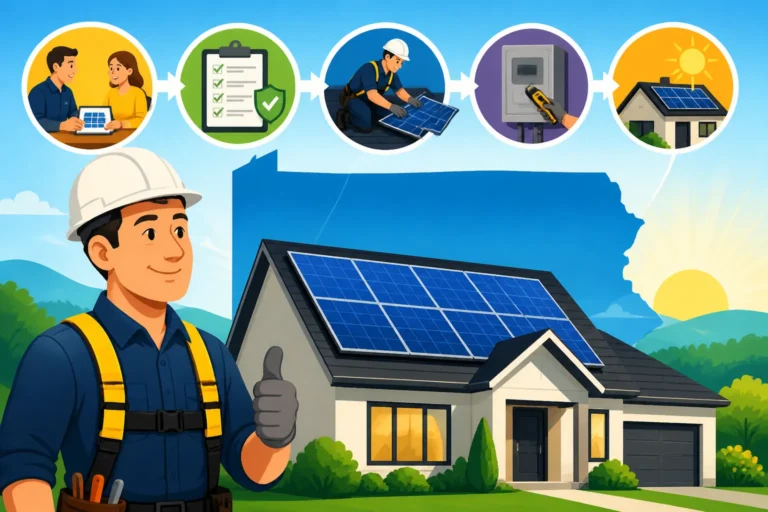
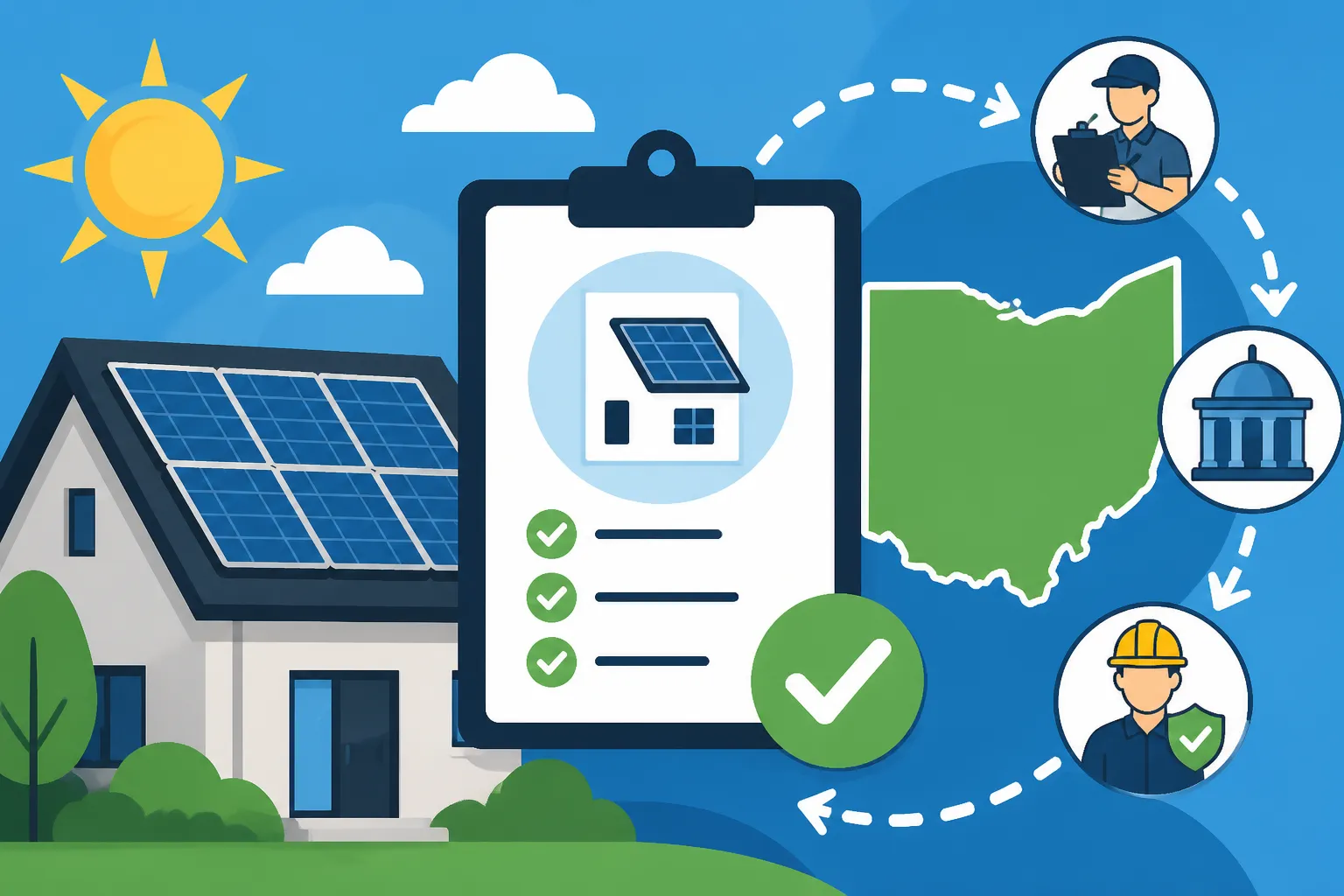
Getting solar panels installed isn't just a matter of putting hardware on your roof; it's a multi-step journey through administrative processes. While the exact forms and local contacts will shift depending on your exact location within Ohio, the general flow of the permitting process follows a fairly consistent path. Understanding these steps can help you stay informed and anticipate what comes next, even if your installer is doing most of the heavy lifting.
Initial Consultation and System Design
Before any permits are pulled, your solar journey typically begins with a consultation. An installer will assess your home's energy needs, roof suitability, and sun exposure. This initial phase helps them design a solar energy system tailored specifically for you. This design will include details like the number and type of solar panels, the inverter system (whether it's string inverters, microinverters, or power optimizers), and how it will integrate with your existing electrical system.
This design phase isn't just about efficiency; it's also about meeting code. The installer will consider local zoning ordinances, setback requirements (how far panels must be from roof edges), and fire safety pathways. For example, some jurisdictions in Ohio might have stricter rules about keeping certain areas of the roof clear for firefighter access. A comprehensive design package, including site plans, electrical schematics, and structural load calculations, will be created. This package is the cornerstone of your permit application. It's during this stage that potential issues are identified and addressed before they become costly delays.
Application Submission and Review
Once the system design is finalized, your chosen solar installer will typically prepare and submit all the necessary permit applications to your local AHJ. This often includes a building permit application, an electrical permit application, and sometimes a zoning permit or even a separate fire department review, depending on your municipality. The application package will contain all the detailed drawings and specifications developed during the design phase.
The review process can take anywhere from a few days to several weeks, or even longer in busier jurisdictions like those in major metropolitan areas such as Cleveland or Cincinnati. During this time, the city or county planning, building, and electrical departments will examine your plans to ensure they comply with all relevant codes and ordinances. They'll look at everything from the structural integrity calculations for your roof to the wiring diagrams and the proposed method of interconnection with the utility grid. It's not uncommon for an AHJ to request additional information or minor revisions to the plans, which your installer will handle. Patience is definitely a virtue during this stage, as delays here are often outside of your direct control. Many homeowners appreciate working with an installer who has experience in their specific area, as they often know the quirks of the local permitting office.
Inspections and Permission to Operate (PTO)
After your permits are approved and your solar panels are expertly installed, the journey isn't quite over. Before you can flip the switch and start generating your own electricity, your system needs to pass a series of inspections. Typically, there will be a building inspection to ensure the physical installation (racking, panel mounting, penetrations) meets code, and an electrical inspection to verify the wiring, grounding, inverter installation, and safety components are correctly installed. In some areas, a separate fire inspection might be required to ensure fire access pathways on the roof are maintained.
Once all local inspections are passed, your installer will then notify your utility company. The utility will conduct its own inspection to ensure the system is safely interconnected to their grid and that the new meter, if applicable, is installed correctly. This is also where things like Net Metering Explained How It Works by State come into play, as the utility will set up your billing to account for the electricity your panels produce. After the utility gives its final approval, often called "Permission to Operate" (PTO), you are officially cleared to turn on your system and begin enjoying the benefits of solar energy. This PTO is the green light you've been waiting for, signaling the completion of the installation and permitting process.
Typical Documentation Required
To give you a better idea of the paperwork involved, here's a general overview of the documents commonly requested during the Ohio solar permitting process. Remember, your specific AHJ might have additional or slightly different requirements.
| Document Type | Purpose | Key Information Included |
|---|---|---|
| Permit Application Forms | Official request for authorization to perform construction/electrical work. | Project address, owner details, contractor info, project description. |
| Site Plan | Illustrates the property layout and solar system location. | Property boundaries, building footprint, panel array location, setbacks, utility meter. |
| Electrical Schematics | Detailed diagrams of the electrical wiring. | Panel wiring, inverter connections, AC/DC disconnects, main service panel tie-in, grounding. |
| Structural Drawings/Calculations | Ensures the roof can support the solar system's weight. | Roof framing details, snow load ratings, wind load calculations, attachment methods. |
| Product Specification Sheets | Details about the specific solar equipment used. | Panel wattage, inverter specs, battery data (if applicable), mounting hardware. |
| Fire Safety Plan | Demonstrates compliance with fire code requirements. | Clear pathways for firefighters, emergency shut-off locations. |
| Interconnection Agreement | Contract between homeowner/installer and utility. | Details how the solar system connects to the grid, net metering terms. |
Your installer will usually be the one preparing these documents. Services like Modernize can help connect you with reputable installers who are well-versed in handling this documentation for homes in Ohio.
Navigating Local Nuances Across Ohio
As we've discussed, Ohio's solar permitting isn't a single, unified system. What works in one city might require different steps or specific paperwork in a neighboring town. This hyper-local variability can be challenging, but it's important to be aware of how different regions handle solar installations. Your installer's experience with various local authorities can make a significant difference in the smoothness of your project.
Major Metropolitan Areas: Columbus, Cleveland, and Cincinnati
In Ohio's largest cities, you'll often find more established and formalized permitting processes due to the volume of construction and development.
- Columbus (Franklin County): As the state capital, Columbus's Department of Building and Zoning Services has a clear, albeit detailed, process. They typically require comprehensive electrical plans, structural engineering stamps, and detailed site plans. Homeowners in Columbus might also encounter specific historic district reviews if their property falls within one, adding another layer of approval. The city is generally supportive of solar, but the process is thorough, emphasizing safety and adherence to the Ohio Building Code. They'll scrutinize things like wind load calculations due to the varying weather conditions experienced in Central Ohio.
- Cleveland (Cuyahoga County): The City of Cleveland's Building & Housing Department oversees permitting. They, like Columbus, expect detailed engineering plans. Given Cleveland's older housing stock, particular attention might be paid to roof integrity and the condition of existing electrical panels. It's not uncommon for an older home to require an electrical service upgrade to safely accommodate a new solar system, which would, of course, add to the permitting and inspection process. Cuyahoga County also has various municipalities, like Parma or Lakewood, each with their own departments, so knowing your exact AHJ is key.
- Cincinnati (Hamilton County): Cincinnati's Department of Buildings and Inspections also manages solar permits. They have a strong focus on ensuring all installations comply with the latest electrical codes and structural safety standards. In hilly areas around Cincinnati, considerations for shading and how panels are positioned to maximize sunlight while respecting property lines and aesthetics might also come into play. Like Cleveland, the broader Hamilton County has many smaller cities, each with their own regulations, making it crucial for installers to have localized expertise.
Smaller Towns and Rural Areas
Outside the big cities, the permitting process can sometimes be less bureaucratic, but not always simpler. Some smaller townships or rural counties might have less experience with solar installations, leading to longer review times as officials learn the ropes, or they might rely more heavily on county-level building departments.
For example, if you're installing solar in a more rural part of Holmes County, the process might fall under a county building department that handles all permits for multiple townships. Their staff might be smaller, and their knowledge of solar-specific codes could be less specialized than in a large city. This isn't necessarily a bad thing, but it means the communication and clarity of your installer's documentation become even more critical. In these areas, zoning regulations, especially regarding property setbacks or even aesthetic considerations, might be more relaxed or, conversely, highly specific to maintain the rural character.
The key takeaway is that your installer needs to be adaptable and knowledgeable about the specific jurisdiction your home is in. Don't assume that an installer who's great in one part of Ohio will automatically know the ins and outs of another. Ask about their experience with your local AHJ.
Tips for a Smoother Solar Permitting Process in Ohio
Navigating the solar permitting process in Ohio doesn't have to be a headache. While much of the responsibility falls on your installer, there are definitely things you can do as a homeowner to contribute to a smoother, faster, and less stressful experience. Being informed and prepared can save valuable time and prevent unexpected delays.
Choosing the Right Installer
This is arguably the most crucial tip. Your solar installer is your guide through the entire process, and their expertise in permitting can make or break your timeline. When you're looking for an installer, don't just ask about pricing or panel efficiency. Dig into their experience with local permitting.
- Ask about their track record: Have they successfully completed installations in your specific city or county? Do they have established relationships with your local building department?
- Permitting services: A reputable installer will handle all the permit applications, drawings, and submissions on your behalf. They should also manage any requests for information or revisions from the AHJ.
- Communication: Choose an installer who is transparent and communicative. They should be able to explain each step of the permitting process, keep you updated on progress, and inform you of any potential delays. If you're using a platform like Modernize to find installers, this is an excellent opportunity to vet them on their permitting prowess during initial consultations.
You can also ask them about specific challenges they've faced in your area and how they overcame them. For example, in Columbus, they might mention specific requirements for a historic district, or in Cincinnati, they might highlight nuanced electrical code interpretations. An experienced installer will be well-versed in Solar Installer Red Flags to Watch For and actively work to avoid them.
Understanding Your Role and Being Prepared
While your installer handles the heavy lifting, you're not entirely off the hook. Being a proactive homeowner can help.
- Review your property documents: Make sure you have clear title to your property and are aware of any easements or homeowner association (HOA) rules that might impact solar installation. HOAs, in particular, can add another layer of approval, although many states, including Ohio, have "solar access laws" that limit their ability to outright prohibit solar. However, they can still dictate aesthetic requirements.
- Be available for site visits: Your installer will need access to your property for the initial site assessment and potentially for follow-up visits or during inspections. Being responsive to scheduling requests keeps the project moving.
- Ask questions: If you don't understand something about the permit process or an inspection report, ask your installer for clarification. It's your home and your investment, so you have every right to be fully informed.
- Financial readiness: While not directly permitting-related, ensure your financing is in order. Whether it's a cash purchase, a solar loan, or a lease, understanding your financial obligations will ensure there are no surprises down the line. You can learn more about options like Solar Loans Complete Guide or explore Cash vs Financing Solar Which Saves More to see what fits your situation best.
What to Expect Post-Permitting
Once all the permits are secured and inspections are passed, you'll receive your Permission to Operate (PTO) from the utility company. This is the moment you've been waiting for! Your system will be officially interconnected, and you can start generating your own clean energy. However, the journey doesn't end there.
You'll want to regularly monitor your system's performance. Most modern solar installations come with monitoring apps that allow you to see how much electricity your panels are producing in real-time. This helps you ensure everything is working as expected and maximize your savings. Keeping an eye on your energy production can also help you understand the true Solar ROI & 25-Year Savings Breakdown over the lifetime of your system. You might also find it beneficial to understand What Happens After Solar Is Installed to grasp the complete post-installation landscape.
Finally, remember that ongoing maintenance is minimal but important. Keeping your panels relatively clean will ensure optimal performance, though rainfall often takes care of much of this. Occasional checks by your installer, typically included in longer-term service agreements, can help identify any potential issues early on.
Disclaimer
Please remember that this guide provides general information about the solar permitting process in Ohio. Permitting regulations can change, and specific requirements vary significantly by local jurisdiction (city, county, township) and utility company. Always consult with a qualified local solar installer and your local authority having jurisdiction (AHJ) for the most accurate and up-to-date information regarding your specific project. This content is for informational purposes only and does not constitute professional advice.