Solar Permit Process in New York
Thinking about going solar in New York can be incredibly exciting – imagining those lower electricity bills, doing your part for the environment, it's a dream! But then you hit the reality of the paperwork, the permits, and suddenly that dream can feel like a bureaucratic nightmare. Don't worry, you're not alone in feeling overwhelmed. This guide is here to untangle the solar permit process specifically for homeowners in New York, giving you a clear roadmap to navigate it with confidence.
Understanding Solar Permitting in New York State
Let's be honest, the thought of government permits can make anyone's eyes glaze over. But when it comes to solar in New York, understanding this process isn't just about jumping through hoops; it's about ensuring your system is safe, compliant, and actually eligible for those sweet incentives you're probably dreaming about. New York has a pretty robust framework for encouraging solar, but that also means they want to make sure installations are done right.
The Importance of Proper Permitting
You might be tempted to wonder if you can just skip the whole permit thing, especially if you're a DIY enthusiast or just want to get your panels up quickly. Trust me, it's not worth it. Proper permitting is absolutely crucial for several reasons that directly impact you, the homeowner. First and foremost, permits are there for your safety and the safety of your property. They ensure that your solar installation meets local building codes and electrical standards, protecting against hazards like electrical fires or structural damage to your roof. Imagine investing thousands in a system only to find out it's unsafe or, worse, not up to code, potentially voiding your home insurance or creating a liability if you ever sell your home.
Secondly, you absolutely need permits to legally connect your solar system to the utility grid. Without the proper local permits and utility approvals, you won't get your "Permission to Operate (PTO)", which means you can't start generating electricity and sending it back to the grid. This is particularly important for residents looking to take advantage of programs like Net Metering Explained: How It Works by State or the New York NY-Sun & State Solar Tax Credit (25%). No permits, no official connection, no savings. It’s that simple. Finally, permits safeguard your investment. A correctly permitted and installed system ensures you retain warranties and are eligible for any state or local incentives that help make solar more affordable.
Key Regulatory Bodies Involved
Navigating solar permits in New York means understanding a few key players. It's not just one single office you deal with; rather, it's a coordinated effort between state initiatives and local authorities.
At the state level, the New York State Energy Research and Development Authority (NYSERDA) is a massive force in promoting and regulating renewable energy. NYSERDA's programs, like NY-Sun, offer incentives and set standards that indirectly influence the permitting process by requiring compliance for program eligibility. They've also been instrumental in streamlining processes across the state where possible. For instance, they've worked on developing standardized applications and inspection checklists to help make things more uniform, though local variations still exist. This overarching state support aims to make solar accessible while maintaining high quality and safety standards.
However, the real boots-on-the-ground permitting happens at the local level. This is where your specific city, town, or county's "Authority Having Jurisdiction" (AHJ) comes into play. The AHJ is typically your local building department, planning department, or zoning board. These are the folks who will review your plans, issue the permits, and conduct inspections. Their specific requirements can vary significantly, even between neighboring towns. For example, the process in Buffalo might differ from the process in a smaller town in the Finger Lakes region or a village in the Adirondacks. It's vital to remember that while NYSERDA provides guidance and incentives, the final say on building and electrical codes for your specific project will always rest with your local AHJ.
The Step-by-Step New York Solar Permit Process
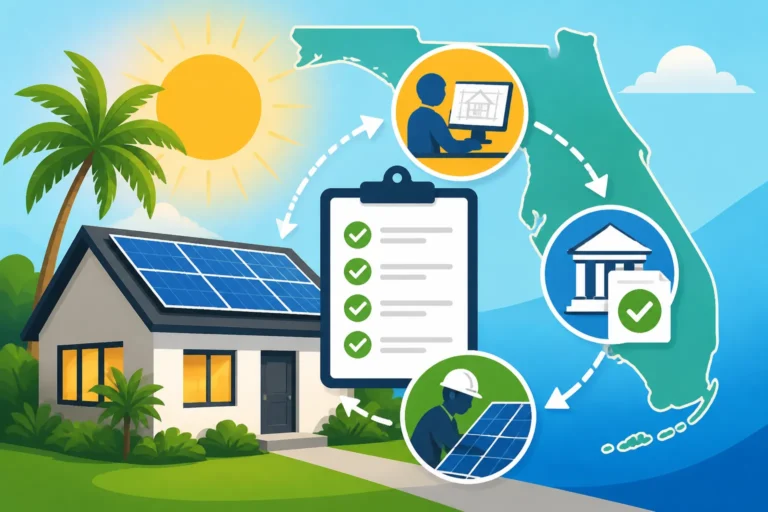
The solar permitting process in New York might seem like a maze, but it’s actually a pretty logical sequence of steps. Think of it less like a bureaucratic wall and more like a series of checkpoints ensuring everything is done correctly and safely. Most reputable solar installers, like those you might find through platforms such as Modernize, are well-versed in these steps and will handle the bulk of the paperwork for you, but it’s good to know what’s happening behind the scenes.
Initial Planning and Design Review
Before any paperwork even gets filed, a significant amount of planning and design work happens. This is where your chosen solar installer shines. They'll typically conduct a comprehensive site assessment, either in person or using satellite imagery, to evaluate your roof's suitability, shading, structural integrity, and electrical system. This initial assessment helps determine the optimal system size, panel placement, and inverter type. For example, if you have an older home in Schenectady, they'll check the age and condition of your roof, and consider if you'll need a Roof Replacement Cost Before Solar to ensure it can support the new panels for their full lifespan.
Once the assessment is complete, the installer's engineers will design the actual solar system. This design includes detailed schematics showing where panels will be mounted, how they will be wired, the type and location of inverters (like Enphase microinverters or SolarEdge optimizers), and how the system will connect to your home's electrical panel and the utility grid. This stage will also consider local zoning ordinances, which might dictate setbacks from property lines or maximum heights for roof-mounted equipment, particularly if your property is in a historic district or has specific HOA rules in places like Long Island’s more developed areas. This detailed design forms the backbone of your permit application.
Application Submission and Documentation
Once the design is finalized, your installer will prepare the permit application package. This package is usually quite comprehensive and includes a variety of documents required by your local AHJ. Typically, you can expect it to contain:
- Building Permit Application: The standard form for most construction projects.
- Electrical Permit Application: Specifically for the electrical work involved.
- Detailed Site Plans: Showing the layout of your property, where the panels will go, and any relevant property lines or easements.
- Structural Engineering Drawings: Demonstrating that your roof can safely support the additional weight of the solar panels and racking system, especially crucial for older homes or certain roof types.
- Electrical Schematics: Wiring diagrams showing the entire electrical pathway from panels to inverter to main service panel to the utility meter.
- Equipment Specifications: Cut sheets and technical data for all major components, including panels, inverters, and racking.
- Proof of Contractor Licensing and Insurance: To show that a qualified professional is performing the work.
- Utility Interconnection Application: While often a separate process, some AHJs require proof of this submission with the building permit.
The installer will typically submit these documents to the local building department. The review process can vary in length, from a few weeks in more streamlined municipalities to several months in larger, busier areas like New York City or even some suburban towns in Westchester County. During this time, the AHJ will check for compliance with local building codes, electrical codes (often based on the National Electrical Code, or NEC), and zoning ordinances. They might send back requests for additional information or clarification, which your installer will address. It’s a back-and-forth that ensures everything is perfectly aligned with local regulations before the shovel hits the ground (or the wrench tightens a bolt).
Inspections and Final Approval (Permission to Operate)
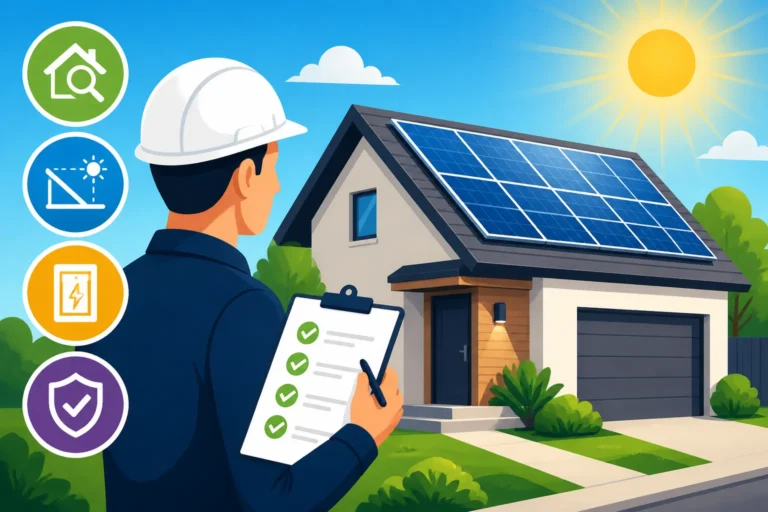
Once your permits are officially issued, the physical installation can begin. However, the permitting process isn't over when the panels are on your roof! There are typically several inspections required at different stages of the installation to ensure compliance.
Here’s a general rundown of the inspection sequence:
- Rough-in Inspection: After the racking system is installed but before the panels are mounted and wired, an inspector might check the structural mounting to ensure it's secure and properly flashed to prevent leaks.
- Electrical Inspection: Once the wiring is complete, but before drywall or conduit covers everything, an electrical inspector will check all connections, conduit runs, grounding, and the inverter installation.
- Final Building Inspection: After the entire system is installed and commissioned, a final inspection will verify that all work adheres to the approved plans and local codes. This usually includes verifying rapid shutdown mechanisms and labeling.
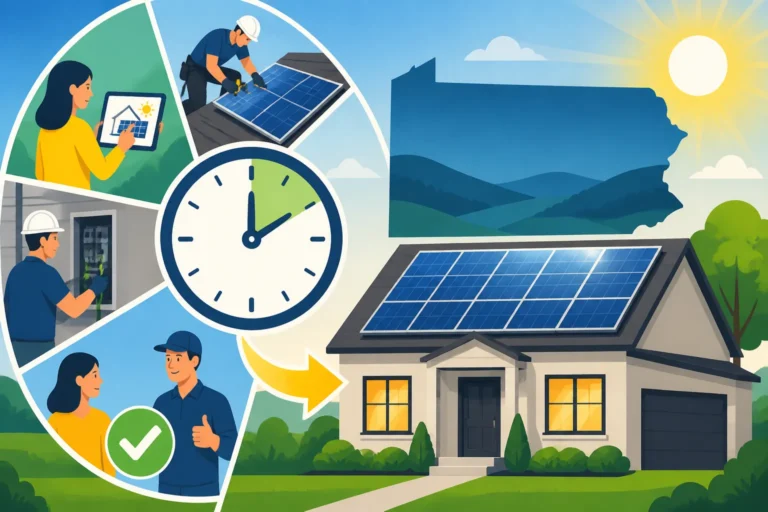
After passing all local inspections, the AHJ will typically issue a final certificate of completion. This certificate is a critical piece of paper because it paves the way for the utility company to grant you What Is Permission to Operate (PTO)?. The utility company will conduct its own final check, often involving installing a new net meter (if you don't already have one) that measures both the electricity you draw from the grid and the excess electricity your system sends back. Once the utility grants PTO, you are officially allowed to turn on your system and begin generating your own clean power. This can be a long process, so understanding the Solar Installation Timeline: What to Expect is important for managing expectations.
Navigating Local Authority Having Jurisdiction Requirements
It's one thing to understand the general process, but quite another to deal with the specific quirks of your local government. New York State is vast and diverse, and so are its local permit offices. What's accepted in Rochester might raise an eyebrow in a small town in Ulster County, or be completely different from regulations in the five boroughs of NYC. This local variability is often the most frustrating part for homeowners and installers alike.
Common Local Permitting Variations Across NY
The beauty and challenge of New York's solar landscape lie in its diverse municipalities. From the dense urban environment of New York City to the sprawling rural areas of upstate, each local Authority Having Jurisdiction (AHJ) can impose its own set of requirements, fees, and timelines.
- New York City: Unsurprisingly, NYC has one of the most rigorous permitting processes. The Department of Buildings (DOB) oversees all construction, and solar projects require extensive documentation, often including review by a professional engineer or architect, and compliance with specific fire codes for high-density areas. The process can be lengthy and involves multiple filings and approvals.
- Long Island (Nassau & Suffolk Counties): These areas often have highly engaged homeowners associations (HOAs) and strict zoning regulations. Towns like Oyster Bay or Brookhaven might have specific aesthetic requirements or setback rules that need to be carefully considered during the design phase. Utility interconnection with PSEG Long Island is also a critical, separate step that needs to align with local permits.
- Upstate New York (e.g., Albany, Syracuse, Buffalo, Rochester): While often less stringent than NYC, these cities and surrounding towns still have their own procedures. Some might have "solar-ready" initiatives that streamline the process, while others might be less familiar with solar technology, leading to longer review times. Many smaller towns may have volunteer building inspectors, which can sometimes impact scheduling or lead to unique interpretations of code. Some communities, especially those with historic districts, may require additional aesthetic reviews to ensure panels don't detract from the character of the neighborhood.
Understanding these variations is where a seasoned local solar installer truly earns their keep. They're typically familiar with the specific quirks of AHJs in their service area, knowing which documents are needed, whom to contact, and how to proactively address potential issues. This local expertise can significantly reduce permit delays and ensure a smoother journey to solar power.
Expedited Permitting Programs and Streamlining Efforts
The good news is that New York State, through NYSERDA, has been actively working to streamline and standardize the permitting process to make solar more accessible. Many municipalities across the state have adopted, or are in the process of adopting, forms of "expedited permitting."
One key initiative is the NY-Sun program, which encourages municipalities to adopt standardized permit review processes, often based on best practices and national guidelines like those from the National Renewable Energy Laboratory (NREL). Municipalities that successfully streamline their processes can sometimes receive state funding or recognition. These expedited programs aim to reduce the time it takes for permits to be approved by providing clear checklists, simpler application forms, and designated staff for solar projects. For instance, some towns might offer over-the-counter approvals for smaller, residential systems if they meet certain criteria.
It's worth asking your potential solar installer if they are aware of any such programs in your specific town or county. While not every AHJ participates, those that do can drastically cut down on the waiting period, potentially reducing the overall Solar Installation Timeline: What to Expect by several weeks. These efforts underscore the state's commitment to making solar not just financially attractive, but also logistically feasible for homeowners.
Working with Your Solar Installer on Permits
This is perhaps the most crucial piece of advice: let your solar installer handle the permitting process. Reputable solar companies are experts at navigating the bureaucratic landscape of their service areas. They have dedicated teams or personnel whose sole job is to prepare and submit permit applications, communicate with AHJs, and ensure all inspections are scheduled and passed.
When you're choosing a solar installer, make sure to ask them about their experience with permitting in your specific municipality. A good question to ask is, "How long does Solar Permit Process in New York typically take in my town, and what is your process for managing it?" They should be able to give you a realistic timeframe and explain their approach to dealing with your local building department. Companies that frequently install in your area will have established relationships and a deep understanding of local requirements, which can be invaluable. For example, a company like Sunrun or Vivint Solar, with extensive operations across New York, would likely have a streamlined process for dealing with various AHJs.
Your role in this part of the process is mainly to provide necessary documents (like your property deed or a recent utility bill) and to be available for any questions or access needs during site assessments and inspections. Resist the urge to try and "help" by contacting the building department directly unless your installer explicitly asks you to. Sometimes, too many cooks can spoil the broth, or in this case, confuse the permit office. Your installer is your primary point of contact and advocate throughout this journey.
Potential Hurdles and How to Overcome Them
Even with the best installer and a streamlined process, sometimes things just don't go according to plan. It's frustrating, but it's also part of any major home improvement project, especially one that involves interacting with local government. Knowing what to look out for can help you manage expectations and work effectively with your installer to address issues head-on.
Common Permit Delays and Red Flags
Permit delays are, unfortunately, a relatively common part of the solar installation process. Several factors can contribute to these slowdowns:
- Incomplete or Incorrect Applications: This is one of the biggest culprits. If your installer submits an application missing crucial documents or with errors, it will be sent back, adding days or weeks to the timeline. This is why choosing an experienced installer who is meticulous with paperwork is so vital. Platforms like Modernize can help you connect with vetted installers who understand these nuances.
- Staffing Shortages at the AHJ: Many local building departments, especially in smaller towns, operate with limited staff. If an inspector is on vacation, sick, or simply overwhelmed with a high volume of permits, your application could sit longer than anticipated.
- Unfamiliarity with Solar Technology: While less common now, some smaller or more rural AHJs might still have staff who are less familiar with solar PV systems, leading to more questions or more cautious (and therefore slower) review processes.
- Local Ordinance Changes: Occasionally, a town might update its building codes or zoning ordinances, which could temporarily halt or complicate existing permit applications until new rules are clarified.
- Utility Backlogs: Even if your local permits are approved quickly, delays with the utility company in granting Permission to Operate (PTO) or installing the net meter can be a significant bottleneck.
A red flag to watch out for would be an installer who promises an unrealistic permit timeline or tells you not to worry about permits at all. Always be wary of installers who seem to skirt the rules or don't provide clear answers about the permitting process. A transparent installer will keep you informed about potential delays and explain how they are addressing them.
Addressing Specific Local Zoning or Historic District Rules
While state and national codes cover much of the safety and electrical aspects of solar, local zoning ordinances and historic district rules often dictate where and how panels can be installed from an aesthetic standpoint. This is where hyper-local considerations become paramount, especially in places like Saratoga Springs or areas of the Hudson Valley with rich architectural heritage.
If your home is located in a historic district, you might face stricter guidelines regarding the visibility of solar panels from public roads, the color of the panels, or even the type of mounting hardware used. Some historic preservation committees might require panels to be flush-mounted or placed on a less visible roof plane, even if it's not the most optimal for sun exposure. Similarly, if you live in a community with a strong HOA, they might have their own covenants that supersede or add to local zoning laws regarding solar installations. Many HOAs require separate approval before you can even apply for a municipal permit.
Overcoming these hurdles requires proactive engagement. Your installer should be researching these specific rules early in the design phase. They might need to submit additional applications to a historic preservation board or an HOA for architectural review. This could mean a longer design and approval phase, but it's essential to avoid costly rework or even having to remove your system later. Sometimes, it might even mean adjusting your system size or panel placement to comply, potentially impacting your overall savings, but ensuring compliance.
The Role of Professionals and Resources Like Modernize
Given the complexities, partnering with the right professionals is the ultimate key to a smooth solar journey in New York. A truly great solar installer will not only design and install your system but will also act as your advocate through the permitting maze. They should have experience with your specific local AHJ and a track record of successful installations.
Beyond the installer, resources like Modernize play a crucial role in connecting homeowners with these experienced professionals. When you use a service like Modernize, you're not just getting a list of random companies; you're getting matched with pre-vetted installers who operate in your area and are familiar with the local permitting landscape. This can save you a tremendous amount of time and stress by helping you avoid inexperienced contractors who might stumble through the permitting process.
Think of your solar installer as your guide. They handle the technical drawings, the code compliance, the applications, and the follow-ups. They are the ones talking to the building department and the utility company to get your Solar Permitting & Interconnection (PTO) Explained. By leveraging their expertise and using reputable platforms to find them, you transform what could be a headache into a manageable, well-orchestrated process, leading you closer to enjoying the benefits of solar energy for your New York home. Getting multiple quotes through such a platform can also help you compare how different installers approach and price the permitting aspects of the project.
Disclaimer
Please remember that this guide provides general information about the solar permit process in New York. Specific requirements and regulations can change, and local jurisdictions often have unique rules. Always consult with a qualified solar installer and your local Authority Having Jurisdiction (AHJ) for the most accurate and up-to-date information pertaining to your specific project and location.