Solar Permit Process in Florida
The dream of harnessing Florida's abundant sunshine for your home often bumps right into the reality of red tape and paperwork. If you're a homeowner in the Sunshine State ready to embrace solar, navigating the solar permit process can feel like a labyrinth of local regulations, unexpected delays, and unfamiliar terminology. It's a journey that can certainly test your patience, but understanding it upfront is key to a smooth installation. This guide is here to demystify the Florida solar permit process, breaking down what to expect, why it's necessary, and how to make it as painless as possible.
Understanding Florida's Solar Permitting Landscape
Getting solar panels installed on your home in Florida isn't just about picking out the right equipment; it's a regulated process designed to ensure safety, structural integrity, and proper interconnection with the utility grid. While the idea of solar is exciting, the administrative side often leaves homeowners scratching their heads. The biggest frustration many people face is the sheer variability from one part of the state to another.
The Importance of Local Authority in Florida
Here's the rub: Florida doesn't operate under a single, unified statewide solar permit process. Instead, the authority for permitting largely falls to your local county and municipal building departments. This means that what flies in Miami-Dade County might have different requirements in Orange County (Orlando) or be entirely unique in Duval County (Jacksonville). It’s not a one-size-fits-all situation, and this decentralization can make it feel like you’re learning new rules for every jurisdiction.
These local authorities are responsible for ensuring that all construction, including solar installations, adheres to the Florida Building Code and local ordinances. This covers everything from the structural integrity of your roof to withstand a hurricane, to the electrical safety of the system when connected to your home and the grid. While state-level guidelines and laws exist to promote solar, like Florida Statute 163.04 regarding solar rights, the nitty-gritty of enforcement and specific documentation rests firmly with your city or county. This is why working with an installer who has deep local experience, perhaps even one found through a service like Modernize, is absolutely critical. They'll know the specific quirks of your area, from the preferred format for electrical diagrams in Tampa to the specific wind load calculations required in coastal areas like Broward or Palm Beach County.
Common Documents and Information Required
Regardless of where you are in Florida, there’s a core set of documents and information that nearly every permitting office will demand. Think of this as the basic toolkit your solar installer will assemble. If any piece is missing or incorrect, it can lead to frustrating delays and rejections, extending your solar journey.
Typically, you'll need a comprehensive application package that includes:
- Site Plans: These are detailed drawings of your property, showing the exact location of the solar panels on your roof (or ground-mount system), property lines, existing structures, and sometimes even nearby trees that could cause shading. The plan also needs to specify setbacks from roof edges and fire access pathways, which are critical safety considerations.
- Electrical Schematics and Diagrams: This is the blueprint for the electrical components of your solar system. It details the wiring, inverter locations, conduit runs, and how the system ties into your existing electrical panel and the utility grid. This is highly technical and requires a licensed electrician's expertise, ensuring the system is safe and compliant with the National Electrical Code (NEC) as adopted by Florida.
- Structural Calculations: Your roof needs to be able to support the added weight of the solar panels, especially when factoring in Florida's wind load requirements due to hurricanes. An engineer will perform calculations to confirm your roof's structural integrity or identify if reinforcements are needed. For many areas, this is non-negotiable.
- Product Specification Sheets (Cut Sheets): This includes detailed information about every major component of your system: the solar panels themselves, the inverters (whether string inverters or microinverters), racking systems, and often, any battery storage units. These sheets confirm that the equipment is certified, meets safety standards, and will perform as expected.
- Permit Application Forms: These are the official forms from your local building department, which collect basic project information, applicant details, and contractor licenses.
It’s easy to see why homeowners don't typically handle this themselves. The specialized knowledge required, particularly for the electrical and structural components, necessitates a licensed and experienced professional. Without this expertise, you’re almost guaranteed to hit roadblocks.
Navigating the Florida Solar Permit Application Process
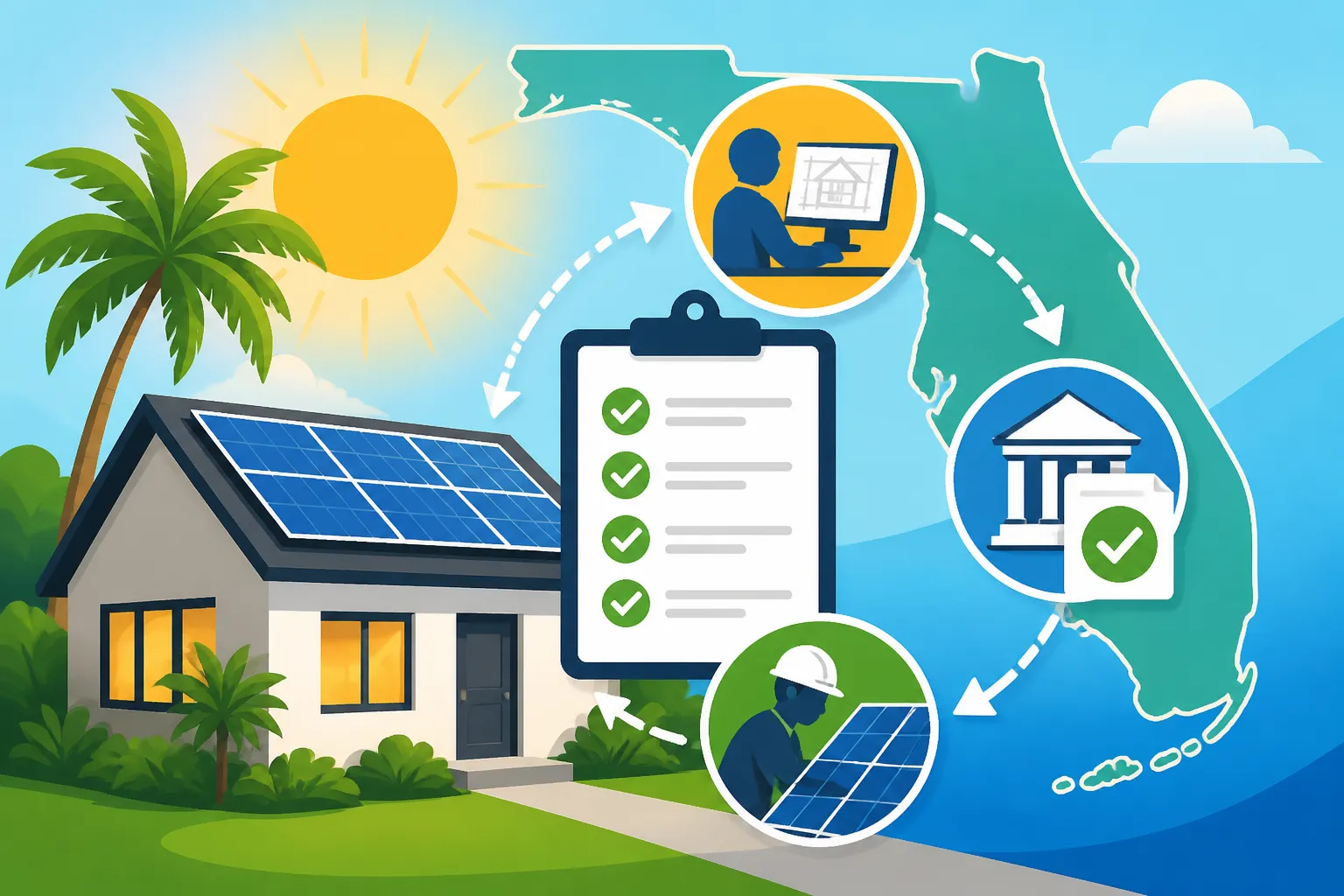
Once you’ve decided to go solar and selected your installer, the permitting process officially begins. It’s a multi-stage journey, and understanding each step can help manage expectations and reduce anxiety. Remember, patience is a virtue here, as government agencies often operate on their own timelines.
Step-by-Step Application Submission
The application submission phase is where all those documents we just discussed come into play. Your solar installer usually takes the lead here, and this is one of the most significant benefits of hiring a professional.
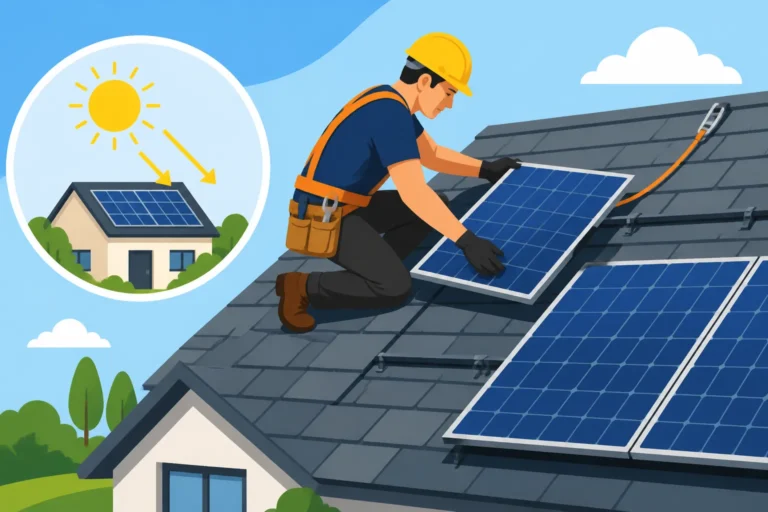
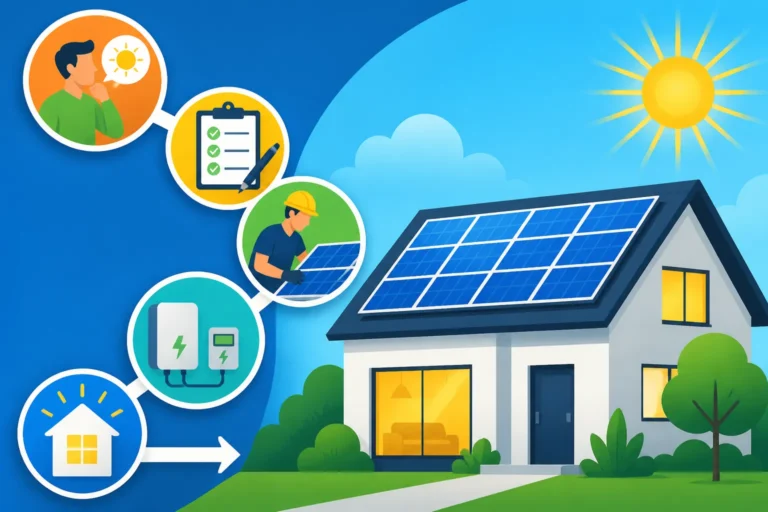
- Initial Consultation and Design: It starts with a site visit (or remote assessment) where your installer evaluates your roof, electrical system, and energy needs. They’ll design a system tailored to your home, factoring in sun exposure, roof size, and your desired energy offset.
- Engineering and Document Preparation: After the design is finalized, professional engineers will create the detailed structural and electrical plans. They’ll ensure everything complies with the Florida Building Code and local amendments. This is where the bulk of the technical paperwork is generated.
- Application Assembly: Your installer compiles all necessary documents – plans, spec sheets, licenses, and local application forms – into a complete package. They'll know exactly what each specific city or county requires, which can differ significantly.
- Submission: The application is submitted to your local building department. Many Florida municipalities, like the City of Orlando and the City of Tampa, now offer online portals for digital submission, which can sometimes expedite the initial intake. Other smaller towns might still require in-person submission. A good installer, often found through services like Modernize, will know the preferred method and ensure proper submission to minimize delays.
- Permit Fees: Be prepared for permit fees. These vary widely by jurisdiction and project size, but they generally cover the cost of plan review and inspections. Your installer will typically include these in your overall project cost, but it’s good to be aware of them.
The waiting game begins after submission. Depending on the local permitting office’s workload and efficiency, this initial review period can range from a few days to several weeks, or even over a month in some busy areas.
The Review, Inspection, and Approval Stages
After your application is submitted, it enters a critical phase of scrutiny. This is where the local authorities ensure everything is up to snuff before giving you the green light.
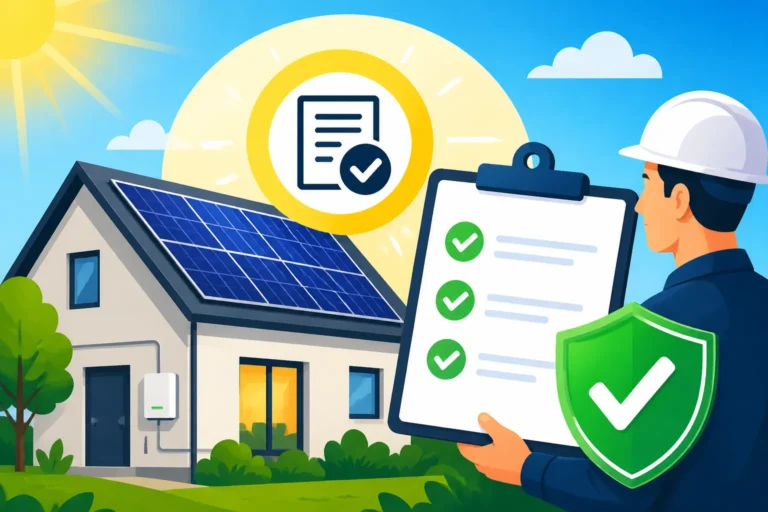
- Plan Review: Building department staff, including structural and electrical reviewers, will meticulously check your submitted plans against the Florida Building Code, local ordinances, and safety standards. They're looking for any discrepancies, missing information, or code violations. If they find issues, they’ll issue a "request for information" or a "correction notice," which your installer will need to address and resubmit. This back-and-forth can add significant time to the process, so clear, accurate plans from the outset are crucial.
- Physical Inspections: Once the permit is approved and installation begins, various inspections will occur.
- Rough-in Electrical Inspection: This happens after the wiring and conduits are installed but before walls are closed up (though for roof-mount solar, it’s mostly about visible connections).
- Structural Inspection: This ensures the mounting system is correctly installed and the roof structure can indeed handle the load. This is especially vital in Florida due to hurricane concerns.
- Final Electrical Inspection: After the system is fully installed, this inspection verifies that all electrical connections are safe and compliant, including the inverter, disconnects, and utility meter connection.
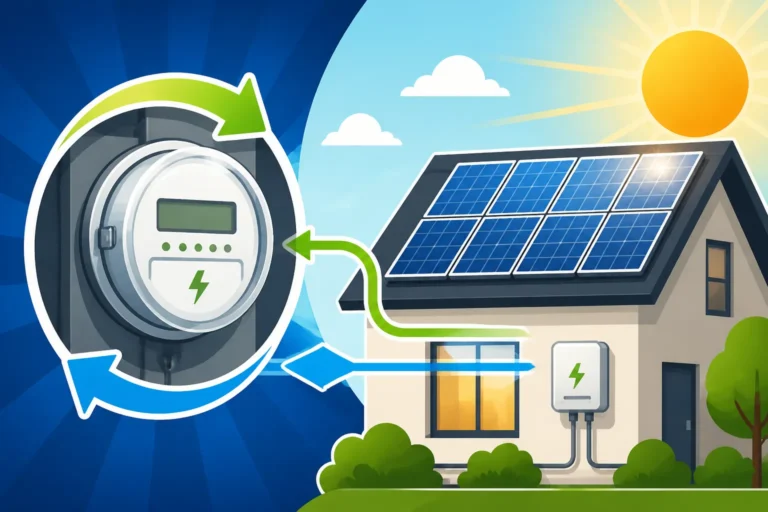
- Utility Interconnection and Permission to Operate (PTO): This is the final, crucial step. After all local building inspections pass, your utility company (e.g., Florida Power & Light, Duke Energy Florida, TECO) needs to give its formal approval for your system to connect to their grid and begin operation. This is called "Permission to Operate" (PTO). They'll typically install a special meter that can measure both electricity drawn from and sent back to the grid. Without PTO, your system cannot legally operate. This process can sometimes take additional weeks after local building permits are secured. Getting a grasp on your local utility's specific net metering policies, like those discussed in our article on Net Metering Explained: How It Works by State, is also incredibly important at this stage.
Common reasons for delays during this phase include incomplete paperwork (as mentioned), minor code violations needing correction, or a backlog in the permitting office or utility company. Your installer acts as your advocate and liaison throughout these steps, helping you navigate the complexities and get to that exciting moment when your solar panels start generating power.
Key Regulations and Local Variances Across Florida
While Florida strives for consistency, the reality of local governance means there will always be slight variations. Understanding the overarching state directives and how local jurisdictions adapt them is vital.
State-Level Directives and Building Codes
At the state level, the Florida Building Code is the foundational document. It dictates construction standards across various disciplines, including structural, electrical, and energy efficiency. Solar installations must comply with the relevant sections, ensuring public safety and system reliability. Key areas of the code that frequently impact solar include:
- Structural Requirements: Given Florida's vulnerability to hurricanes, wind load calculations are paramount. The code specifies how solar panels must be mounted to withstand extreme weather events. This is why you'll often need an engineer's stamp on your structural plans.
- Electrical Requirements: The National Electrical Code (NEC) is adopted and enforced in Florida. This code ensures that all electrical components, wiring, grounding, and safety disconnects are installed to prevent hazards like fires or electrocution.
- Fire Safety: Fire departments often have specific requirements for solar installations, particularly regarding clear pathways on the roof for emergency access. These fire setbacks are crucial for firefighter safety and can influence panel layout.
- Florida Solar Rights Act (F.S. 163.04): This is a powerful piece of legislation that prevents homeowners associations (HOAs) or other restrictive covenants from prohibiting the installation of solar devices on your property. While HOAs can establish reasonable rules regarding the aesthetics or placement of panels, they cannot outright ban them. This law is a huge win for Florida homeowners wanting to go solar, though understanding the nuances of how it's applied, especially with regard to community rules, is still important. For more on how state rules influence incentives, you might want to read our guide on State Solar Incentives: Complete 2026 Guide.
Notable County and City Specifics
Even with state codes in place, how they are interpreted and enforced, and what additional requirements might exist, can differ dramatically.
- Miami-Dade County is notorious for its rigorous permitting process, especially concerning hurricane preparedness. Structural plans often require certification by a Florida-licensed structural engineer specifically for high-wind zones. The county also has an extensive online permitting system, which, while efficient when understood, can be complex for first-timers.
- Orange County (Orlando), on the other hand, has made efforts to streamline its solar permitting process, often aiming for faster review times and clear online submission guidelines. However, you'll still encounter specific requirements for electrical diagrams and site plans typical of any large metropolitan area.
- Hillsborough County (Tampa) has a focus on digital submissions and detailed information regarding wind-resistant mounting. Their building department regularly updates its guidelines to align with the latest building code amendments.
- Smaller municipalities might have less sophisticated online systems, sometimes requiring physical document submission, or they might rely more heavily on the expertise of the installer to guide them through the process.
This patchwork of regulations is precisely why your choice of solar installer is paramount. A company experienced in your local area will have established relationships with the local building department, understand their preferred submission methods, and be familiar with any unique local amendments or interpretations of the state code. This is where platforms like Modernize truly shine, connecting homeowners with vetted local installers who have a proven track record of successfully navigating the specific permitting challenges of your Florida community.
Overcoming Common Permitting Challenges
Let’s be honest, bureaucracy can be frustrating. Even with the best installer, things don't always go smoothly. Understanding the common pitfalls can help you prepare mentally and strategically.
Dealing with Delays and Rejections
The most common challenges homeowners face during the solar permitting process boil down to delays and, occasionally, outright rejections. These aren't necessarily signs of a bad installer or an impossible project, but rather hurdles in a complex administrative journey.
- Incomplete or Incorrect Applications: This is the number one reason for delays. A missing signature, an outdated form, or an electrical diagram that doesn't quite match the latest code revision can send your application back to the drawing board. This is where the minutiae really matter.
- Code Interpretation Differences: Sometimes, even with a perfectly crafted application, a specific plan reviewer might interpret a code section differently than the engineer who drafted the plans. This isn't necessarily anyone's fault but requires dialogue and potentially minor revisions to satisfy the reviewer.
- Staffing and Workload Backlogs: Local permitting offices, especially in rapidly growing areas like Southwest Florida or the Space Coast, can become overwhelmed. Holidays, staffing shortages, or a surge in construction permits (not just solar) can significantly extend review times.
- Unforeseen Site Conditions: During the site survey or design phase, your installer might discover an issue with your roof's integrity, an outdated electrical panel needing an upgrade, or an unexpected shading issue from a neighbor's tree. While not directly a "permit rejection," these issues require additional work and re-submission of revised plans.
- Utility Company Delays: Even after local building permits are issued, the utility company's PTO process can have its own delays. This might be due to their own internal backlogs or specific requirements for grid upgrades in your area. This last step is often out of your installer's direct control, but a good installer will communicate openly about the expected timelines. For more details on this final hurdle, you might be interested in our article on What Is Permission to Operate (PTO)?.
When facing delays, constant and clear communication between your installer and the permitting office is key. Your installer will be the primary point of contact, providing updates, clarifying issues, and making necessary revisions to keep the process moving forward.
The Role of Your Solar Installer
Given the complexity and variability of the solar permit process in Florida, your choice of installer isn't just about who offers the best price; it's about who can reliably navigate this bureaucratic maze. An experienced and reputable solar installer will handle virtually all the permitting legwork on your behalf.
Here's how they make the process smoother:
- Expertise in Local Regulations: Good installers have teams or individual project managers dedicated to permitting. They are intimately familiar with the specific requirements of cities like Naples, Gainesville, Tallahassee, and others, knowing what forms to use, which codes are strictly enforced, and even the preferred communication methods for each office.
- Professional Document Preparation: They employ or contract with licensed engineers and electricians to prepare all the technical drawings and calculations precisely as required by code. This significantly reduces the chances of rejection due to technical errors.
- Liaison and Communication: Your installer acts as your advocate and primary contact with the local building department and utility company. They submit the applications, respond to correction notices, schedule inspections, and manage the PTO process. This saves you countless hours of phone calls, paperwork, and frustration.
- Problem Resolution: If an unexpected issue arises, whether it's a minor plan revision or a tricky interpretation of a local ordinance, your installer has the experience and relationships to resolve it efficiently. They know how to communicate with officials and find solutions that keep your project on track.
Choosing the right installer can literally shave weeks or even months off your solar installation timeline. They transform what could be a headache-inducing process into a much smoother, manageable journey. Services like Modernize are invaluable here, as they connect you with pre-vetted local solar companies who are known for their expertise in handling the Florida permitting landscape.
Here’s a quick overview of what you might expect regarding typical timelines and costs for solar permits across various Florida regions. Remember, these are estimates, and specific project details will always influence the actual figures.
| Florida Region/County | Typical Permit Fee Range (Residential) | Average Permit Review Time | Key Local Specifics/Considerations |
|---|---|---|---|
| Miami-Dade County | $250 – $1,200+ | 3-6 Weeks | Known for stringent structural requirements due to hurricane risk. Often requires signed/sealed engineering drawings from Florida-licensed structural engineers. Digital submission portals are common. |
| Orange County (Orlando) | $150 – $750 | 2-4 Weeks | Generally more streamlined than coastal counties. Strong emphasis on the Florida Building Code, especially electrical safety. Online permitting platforms are well-established. |
| Hillsborough County (Tampa) | $200 – $900 | 2-5 Weeks | Similar to Orange County, with a focus on comprehensive digital submissions. Specific wind load calculations are crucial, given its bayfront location. |
| Broward County (Fort Lauderdale) | $300 – $1,000+ | 3-6 Weeks | High-velocity hurricane zone requirements are central. Detailed roof structural analysis is always expected. Multiple municipal jurisdictions within the county can add complexity. |
| Duval County (Jacksonville) | $175 – $800 | 2-4 Weeks | Utilizes an online permitting system. Focus on standard building code compliance and electrical safety. |
| Palm Beach County | $250 – $1,000+ | 3-5 Weeks | Similar to Broward/Miami-Dade with strict hurricane codes. Good coordination with utility (FPL) for interconnection is vital. |
| State Average (General) | $200 – $900 | 2-6 Weeks | Varies dramatically. Coastal areas generally have higher fees and longer review times due to stricter structural and wind-related codes. Inland areas may be quicker. |
Remember, this table provides general ranges. The specific cost and timeline for your solar permit can also depend on the size and complexity of your system, whether a battery is included (which may require additional permits), and the current workload of your local building department.
Disclaimer
The information provided in this guide is for general informational purposes only and does not constitute professional advice. Solar permitting rules and regulations in Florida are subject to change and vary significantly by local jurisdiction. Always consult with a qualified, licensed solar installer and your local building department for the most accurate and up-to-date information regarding your specific solar project.