Should I Get Multiple Solar Quotes?
Deciding to go solar is a huge step, and it can feel incredibly overwhelming when you're faced with mountains of information and pushy sales tactics. Many homeowners find themselves wondering if they're truly getting a good deal, or if there's a better option out there they're missing. This guide is here to cut through that confusion, explaining exactly why getting multiple solar quotes is not just a good idea, but an absolute necessity, and how to navigate the process with confidence.
Why Multiple Solar Quotes Are Non-Negotiable
When you're making a significant investment in your home, like installing a solar energy system, it’s only natural to want to ensure you're getting the best possible value. Just as you wouldn't buy a car or a new roof from the first salesperson who knocks on your door, you shouldn't settle for the first solar quote you receive. The solar industry is competitive, and prices, equipment, and service quality can vary dramatically between providers.
Protecting Your Investment and Your Wallet
Think about it: a solar energy system is a 25-year-plus commitment. The upfront cost can be substantial, even with incentives. Relying on a single quote leaves you vulnerable to inflated prices, subpar equipment recommendations, or financing terms that aren't truly in your best interest. Without other quotes to compare against, you have no benchmark to assess whether the proposed system size, panel efficiency, or overall cost per watt is competitive. It’s like throwing a dart in the dark and hoping you hit the bullseye.
Many homeowners feel a lot of pressure during initial sales consultations. Having multiple quotes allows you to step back, breathe, and evaluate each offer without feeling rushed. It empowers you to negotiate better terms, challenge assumptions, and ultimately make an informed decision that will benefit your household for decades to come. Don't be shy about telling installers you're getting other quotes; a confident, reputable installer will respect your due diligence.
Uncovering the Best Technologies and Services
The solar market is constantly evolving, with new panel technologies, inverter options, and battery storage solutions emerging regularly. Different installers might specialize in particular brands or have preferred partners. By getting several quotes, you expose yourself to a wider range of options, allowing you to choose the system components that best fit your home’s specific needs and your budget. For example, one installer might push a string inverter system, while another might recommend microinverters or power optimizers, which could be better suited for a roof with partial shading.
Beyond the hardware, service quality, installation expertise, and warranty terms can vary widely. One company might offer a comprehensive 25-year bumper-to-bumper warranty covering parts, labor, and performance, while another might have more limited coverage. Comparing these details is crucial. You want an installer who not only provides a great price but also a solid reputation for customer service and reliable post-installation support. Learning how to choose a solar installer is paramount, and comparing multiple proposals is a key part of that research.
Decoding the Elements of a Solar Quote
Solar quotes can be dense, filled with technical jargon and financial figures that can make your head spin. It’s important to understand what each part means so you can make a true apples-to-apples comparison. Don't be afraid to ask questions until you fully grasp every detail.
System Size, Components, and Production Estimates
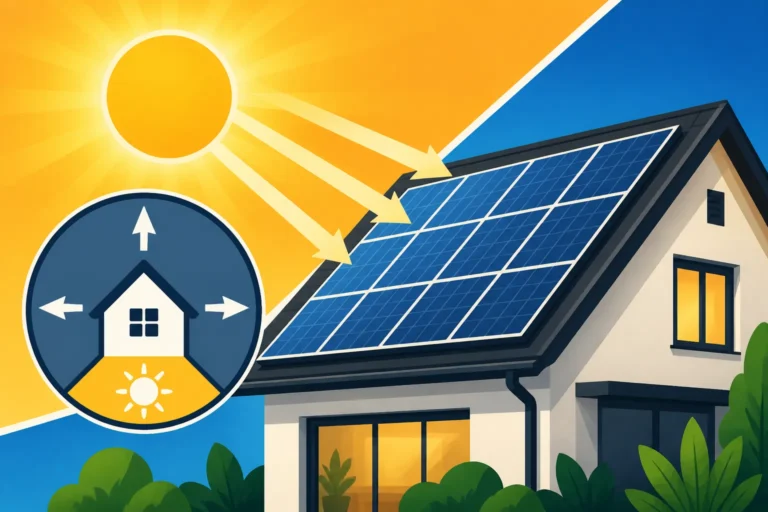
At the heart of every quote is the proposed solar energy system itself. This section should clearly state the total system size in kilowatts (kW), the number of solar panels, and the specific model and brand of panels and inverters. You’ll also want to see an estimated annual energy production, usually measured in kilowatt-hours (kWh). This production estimate is critical, as it directly impacts your savings. It should be based on factors like your roof's orientation, tilt, and any shading.
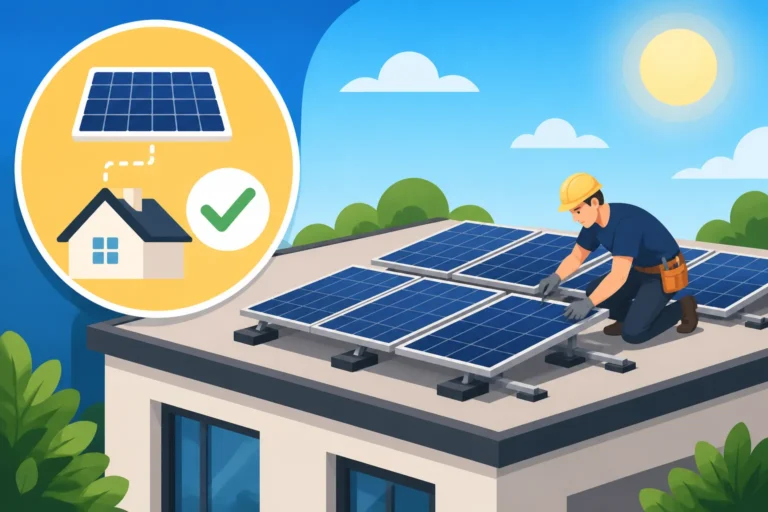
Beyond the basics, good quotes will detail the type of mounting system, any necessary electrical upgrades, and often a diagram showing where the panels will be placed on your roof. Pay attention to the efficiency of the panels and their degradation rate, as these impact long-term performance. Understanding your solar panel cost per watt explained will help you gauge the value of the components offered.
Financial Breakdown: Costs, Incentives, and Financing
This is often the most complex part of the quote. It should include the gross system cost before any incentives, the net cost after all applicable incentives (like state rebates or local utility programs), and a clear breakdown of the price per watt. It’s also important to understand the available payment options. Are you paying cash, getting a solar loan, or considering a solar lease vs PPA vs buy: which is best? Each option has different implications for your upfront costs, monthly payments, and long-term savings.
Remember that the solar tax credit 2026: what happened to the federal credit is a major incentive, and understanding how it applies (or doesn't apply, depending on the year and your specific situation) is crucial. Quotes should clearly outline how federal, state, and local incentives are factored into the final price. Some installers might even help you apply for these incentives or structure your payment to account for them. Don't forget to inquire about any hidden costs & adders in solar quotes, such as permit fees or interconnection charges, which should ideally be included in the total.
Warranties and Guarantees
A robust warranty package is a sign of a reliable solar provider and quality equipment. There are typically several types of warranties to look for:
- Product Warranty: Covers the solar panels themselves against manufacturing defects. Most reputable brands offer 25-year product warranties.
- Performance Warranty: Guarantees that the panels will produce a certain percentage of their rated power output over time. For example, a common performance warranty might ensure 80-85% of original output after 25 years.
- Workmanship Warranty: Covers the installation itself, ensuring the system is installed correctly and won't leak or have other issues due to faulty installation. This typically ranges from 10-25 years.
- Inverter Warranty: Covers the inverter, which converts DC electricity from your panels into AC electricity for your home. These typically range from 10-12 years, though some microinverters like those from Enphase might come with longer 25-year warranties.
Reviewing your solar panel warranties explained thoroughly is crucial. Make sure you understand what each warranty covers, for how long, and who is responsible for honoring it (the manufacturer or the installer). A strong warranty provides peace of mind and protects your investment should any issues arise down the line.
How Many Solar Quotes Should You Get?
There's no magic number, but most experts agree that getting at least three to five quotes is ideal. Fewer than three, and you might not get a diverse enough sample to truly compare options. More than five, and you might find yourself bogged down in too much information, leading to analysis paralysis.
The Sweet Spot for Comparison
Three to five quotes strike a good balance. This range allows you to see different pricing structures, equipment recommendations, and financing options without becoming completely overwhelmed. For example, one installer might heavily push a specific battery backup solution like a Tesla Powerwall, while another might suggest a more integrated system from a different brand. Seeing these variations helps you understand the market and identify which features are most important to you.
When you're gathering quotes, be transparent with each company that you are talking to other providers. This often encourages them to put their best foot forward in terms of pricing and system design. Companies know they are competing for your business, and this competition works in your favor. Services like Modernize can help streamline this process by connecting you with vetted installers in your area, making it easier to gather multiple bids without having to search extensively on your own.
Avoiding Analysis Paralysis
While comparison is key, there comes a point where too much information can be counterproductive. If you've collected six, seven, or even eight quotes, you might find yourself struggling to differentiate between marginal differences or becoming exhausted by the sheer volume of details. At this stage, it's easy to get lost in the minutiae and delay your decision.
The goal is to gather enough information to feel confident in your choice, not to find the absolute lowest price imaginable if it means sacrificing quality or service. Focus on identifying a few top contenders whose quotes offer a good balance of competitive pricing, quality equipment, strong warranties, and a reputable installer. Remember that the cheapest option isn't always the best in the long run, especially for something as critical as your home's energy infrastructure.
Common Pitfalls to Avoid in the Solar Quote Process
Navigating the solar sales landscape can be tricky. Unfortunately, not all companies operate with the same level of integrity. Being aware of common red flags and pitfalls can save you a lot of headache and potential financial woes down the road.
High-Pressure Sales Tactics
This is one of the most frequently heard complaints from homeowners exploring solar. Some sales representatives are trained to create a sense of urgency, pressuring you to sign a contract on the spot with "today-only" discounts or limited-time offers. They might tell you that incentives are disappearing soon or that prices are about to skyrocket. While some incentives do have deadlines, high-pressure sales are rarely a sign of a trustworthy company. Learning how to avoid high-pressure solar sales is essential for maintaining control over your decision.
A reputable company understands that a solar installation is a significant decision and will give you ample time to review their proposal, compare it with others, and ask all your questions. If you feel cornered or rushed, it's a major red flag. Politely decline to sign anything immediately and take the time you need. Your investment is too important to be rushed into.
Misleading Savings and Production Guarantees
Some less scrupulous companies might inflate estimated savings or production numbers to make their offer seem more appealing. They might use idealized weather conditions or ignore shading from trees or nearby buildings to present a rosier picture of your future energy bill. It's crucial that any production estimate is based on a detailed site survey that accounts for your home's unique characteristics.
Always ask for clarity on how savings are calculated. Do they account for utility rate increases? Are property tax exemptions by state factored in correctly? Be wary of "guaranteed" savings that seem too good to be true, especially if they can't provide a clear, detailed explanation of the methodology. A good installer will provide a realistic projection based on actual data and be transparent about any assumptions made. This helps you realistically determine your solar ROI & 25-year savings breakdown.
Unclear Contracts and Hidden Fees
Reading the fine print of your solar contract is non-negotiable. Look for any clauses that seem ambiguous or difficult to understand. Be especially vigilant for hidden costs & adders in solar quotes. These could include extra fees for unforeseen electrical work, trenching, or even system monitoring. All costs, from installation to permitting and interconnection, should be clearly itemized and included in the total price.
Pay close attention to any clauses regarding maintenance, warranty claims, or what happens if you sell your house. If you're opting for a solar loan, make sure you understand the interest rate, loan term, and any dealer fees that might be rolled into the loan amount. Some loans come with significant dealer fees that can inflate the total cost of your system without you realizing it. Don't hesitate to ask a trusted third party, like a financial advisor or a lawyer, to review the contract if you have any doubts.
How to Effectively Compare Solar Quotes
So, you've gathered a few quotes. Now what? The real work begins in comparing them to make sure you're getting the best deal for your specific circumstances. This isn't just about the bottom-line price; it's about value, quality, and long-term peace of mind.
Standardizing Your Comparison Points
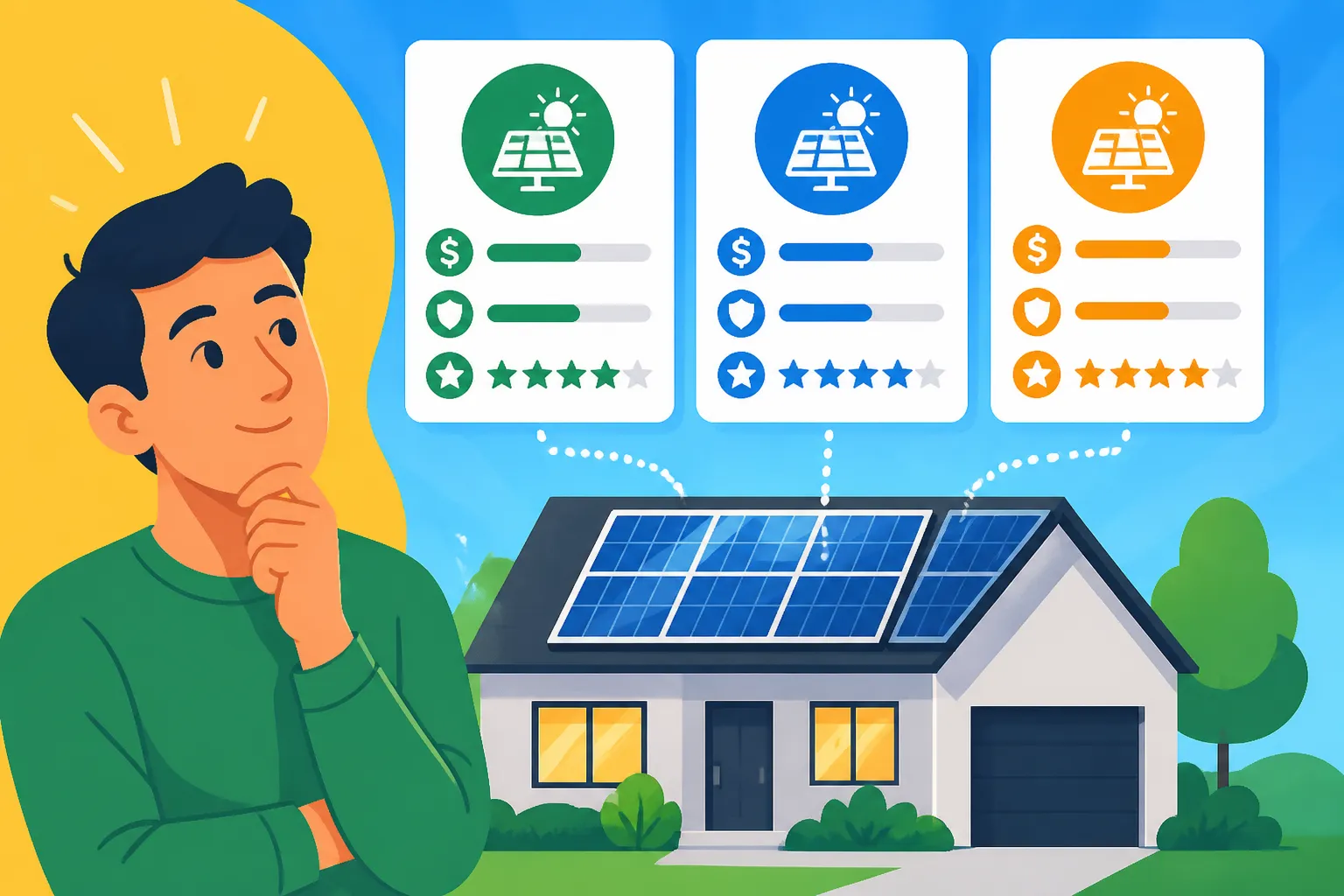
The first step is to create a standardized way to compare each offer. It's rare for two quotes to be identical, but you can break them down into comparable categories. Use a spreadsheet or a simple checklist to keep track of key metrics.
Here’s a table outlining the critical elements to compare:
| Feature/Metric | Quote 1 (Installer A) | Quote 2 (Installer B) | Quote 3 (Installer C) | My Notes/Questions |
|---|---|---|---|---|
| Total System Size (kW) | 8.0 kW | 8.2 kW | 7.9 kW | Aiming for 8 kW |
| Number of Panels | 20 | 21 | 19 | |
| Panel Brand/Model | Qcells 400W | REC Alpha Pure 390W | Jinko Tiger Neo 415W | |
| Inverter Type/Brand | Enphase IQ8 | SolarEdge HD-Wave | String Inverter (SMA) | Shading on roof? |
| Gross System Cost | $28,000 | $30,000 | $27,500 | Before incentives |
| Net System Cost (after incentives) | $19,600 | $21,000 | $19,250 | Assuming 30% ITC |
| Cost Per Watt | $3.50 | $3.66 | $3.48 | |
| Estimated Annual Production (kWh) | 11,500 | 11,800 | 11,200 | Compare to my usage |
| Product Warranty (Panels) | 25 years | 25 years | 12 years | Concern for C |
| Performance Warranty | 25 yrs @ 85% | 25 yrs @ 87% | 25 yrs @ 80% | REC slightly better |
| Workmanship Warranty | 25 years | 10 years | 10 years | A is better |
| Financing Rate (if applicable) | 2.99% (dealer fee) | 4.99% (no dealer fee) | Cash or PPA only | Calculate true APR |
| Battery Option Included? | No | Yes (Powerwall) | No | Needed for backup? |
| Installer Reputation (reviews) | Excellent | Good | Mixed | Check BBB, Yelp |
This table helps you visualize the differences. Don't just focus on the lowest "net cost." Consider the cost per watt—is $3 per watt a good price for solar in your area? Also, evaluate the total estimated production, as a slightly more expensive system that produces significantly more power could save you more money in the long run.
Beyond the Numbers: Installer Reputation and Service
While price and equipment are important, the installer themselves is perhaps the most critical factor. Even the best equipment can underperform if installed poorly. Research each company thoroughly. Check online reviews on platforms like Google, Yelp, and the Better Business Bureau. Look at their track record, how long they've been in business, and if they have any unresolved complaints.
Ask about their licensing and certifications (like NABCEP). Don't hesitate to ask for references from past customers. A reliable installer will have a strong local presence and a history of satisfied clients. Their ability to handle the entire process – from design and permitting to installation and interconnection – efficiently and professionally will greatly impact your experience. Resources like Modernize can help connect you with reputable, local installers, ensuring you're working with companies that meet certain quality standards. This kind of vetting helps you avoid solar installer red flags to watch for.
Negotiating and Making Your Final Decision
Once you have all your quotes and have done your research, you're in a strong position to negotiate. If you have a preferred installer but another company offered a slightly better price or warranty, share that information. See if your preferred installer is willing to match or improve their offer. However, don't just chase the lowest price. Value quality, comprehensive warranties, and excellent customer service.
Ultimately, the best solar quote is the one that offers the ideal combination of system performance, high-quality components, robust warranties, fair pricing, and an installer you trust. It's about finding the solution that best meets your energy needs, budget, and long-term expectations. This comprehensive approach to comparing solar installer quotes will lead you to a choice you can be happy with for decades.
Disclaimer
This article provides general information and recommendations regarding solar energy systems and quotes. It is not financial, legal, or professional advice. Readers should conduct their own research, consult with qualified solar professionals, and seek independent financial or legal counsel before making any purchasing decisions. Market conditions, incentives, and regulations can change, and individual results may vary.