Can I Combine State and Local Solar Incentives?
Combining state and local solar incentives explains how stacking programs reduces installation costs and improves financial return.
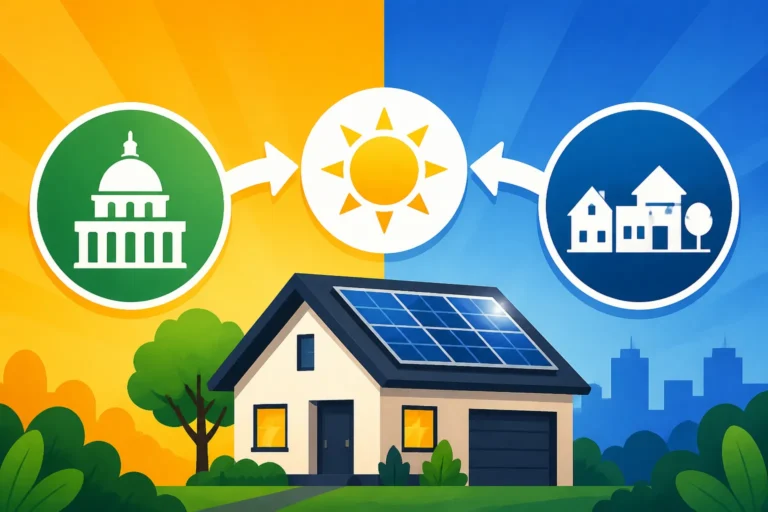
Combining state and local solar incentives explains how stacking programs reduces installation costs and improves financial return.

State solar incentives usually expire due to legislative sunset dates or capacity-based funding caps in local energy programs.
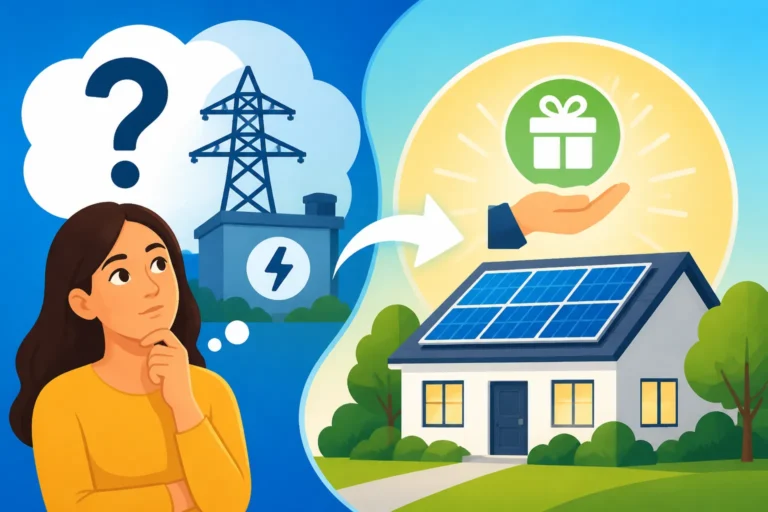
Utility solar rebates, upfront cash incentives, and performance-based payments help homeowners reduce panel installation costs.
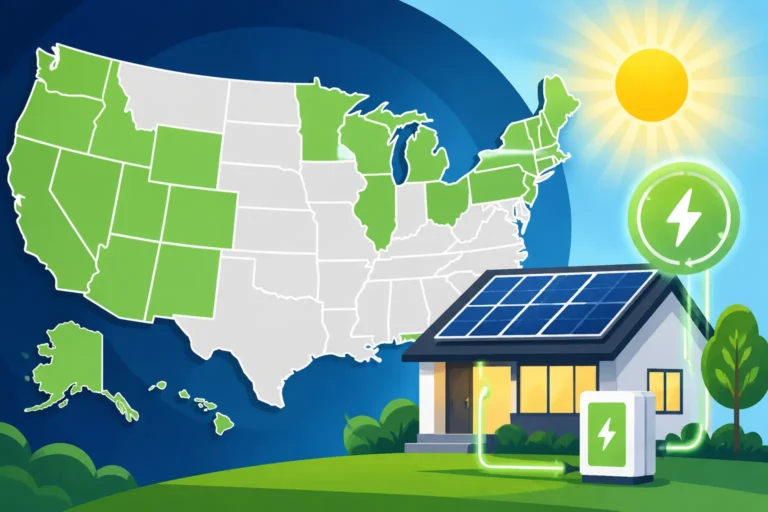
State policies in Pennsylvania, New Jersey, and Maryland provide full retail credits for excess residential solar energy.
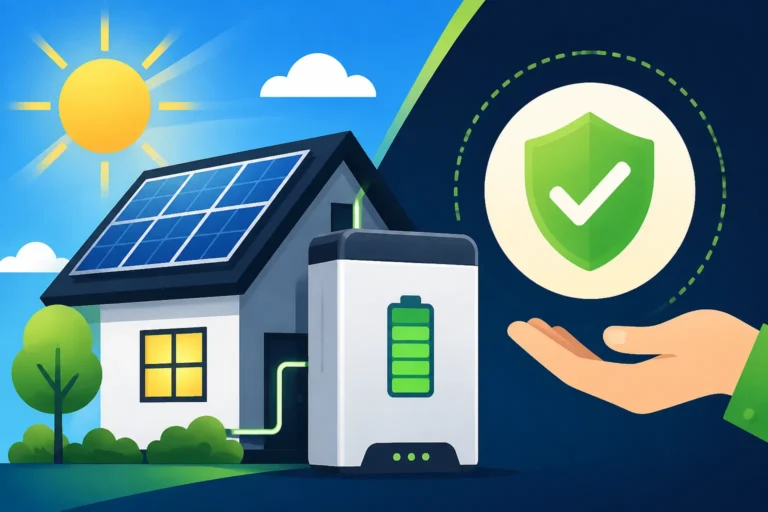
Solar battery incentives in 2026 include the federal tax credit, state performance programs, and local utility rebates up to forty percent.

Low-income solar assistance eligibility rules and the federal, state, and local programs offering zero-down clean energy.

Local solar rebates, utility programs, and tax credits help homeowners identify and claim legitimate energy savings in 2026.
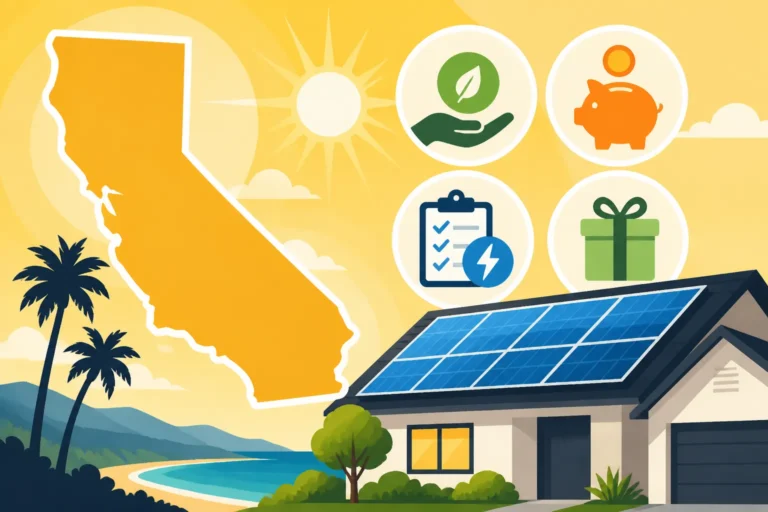
California solar incentives in 2026, including Net Billing rules and SGIP battery storage rebates, explained for homeowners.
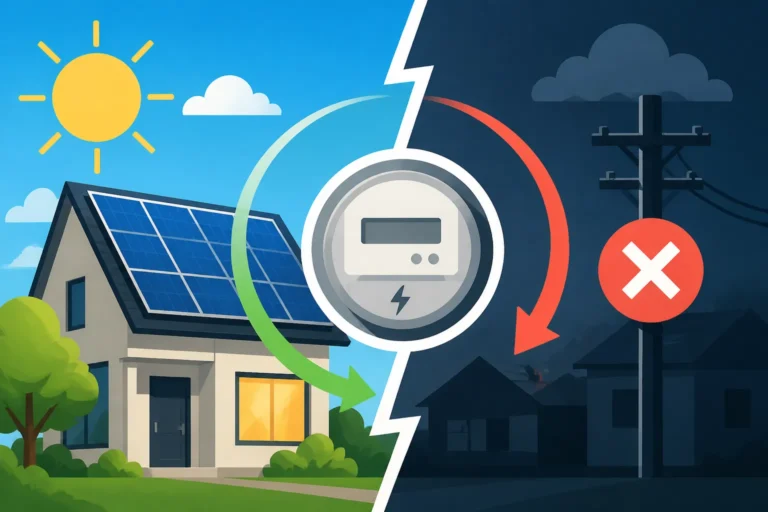
Net metering rules in 2026, California net billing, and solar battery incentives for homeowners navigating changing utility credits.
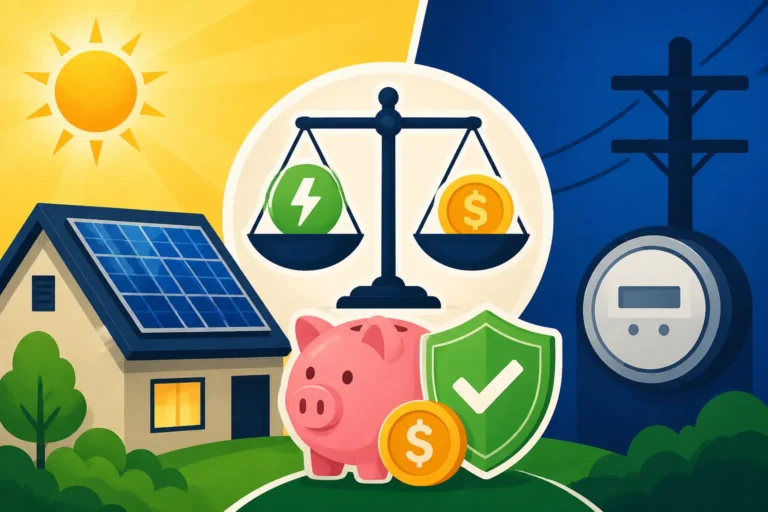
California Net Billing lowers solar export credits by roughly seventy five to eighty percent, reducing homeowner utility savings.