Do Solar Panels Increase Property Taxes or Just Value?
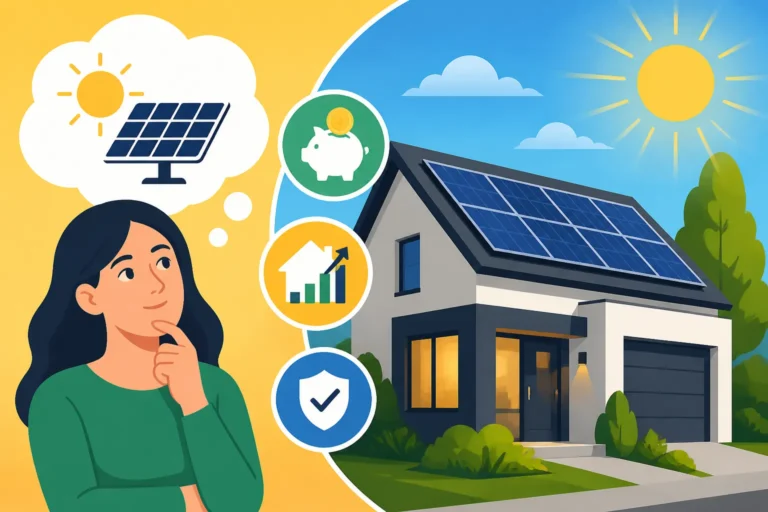
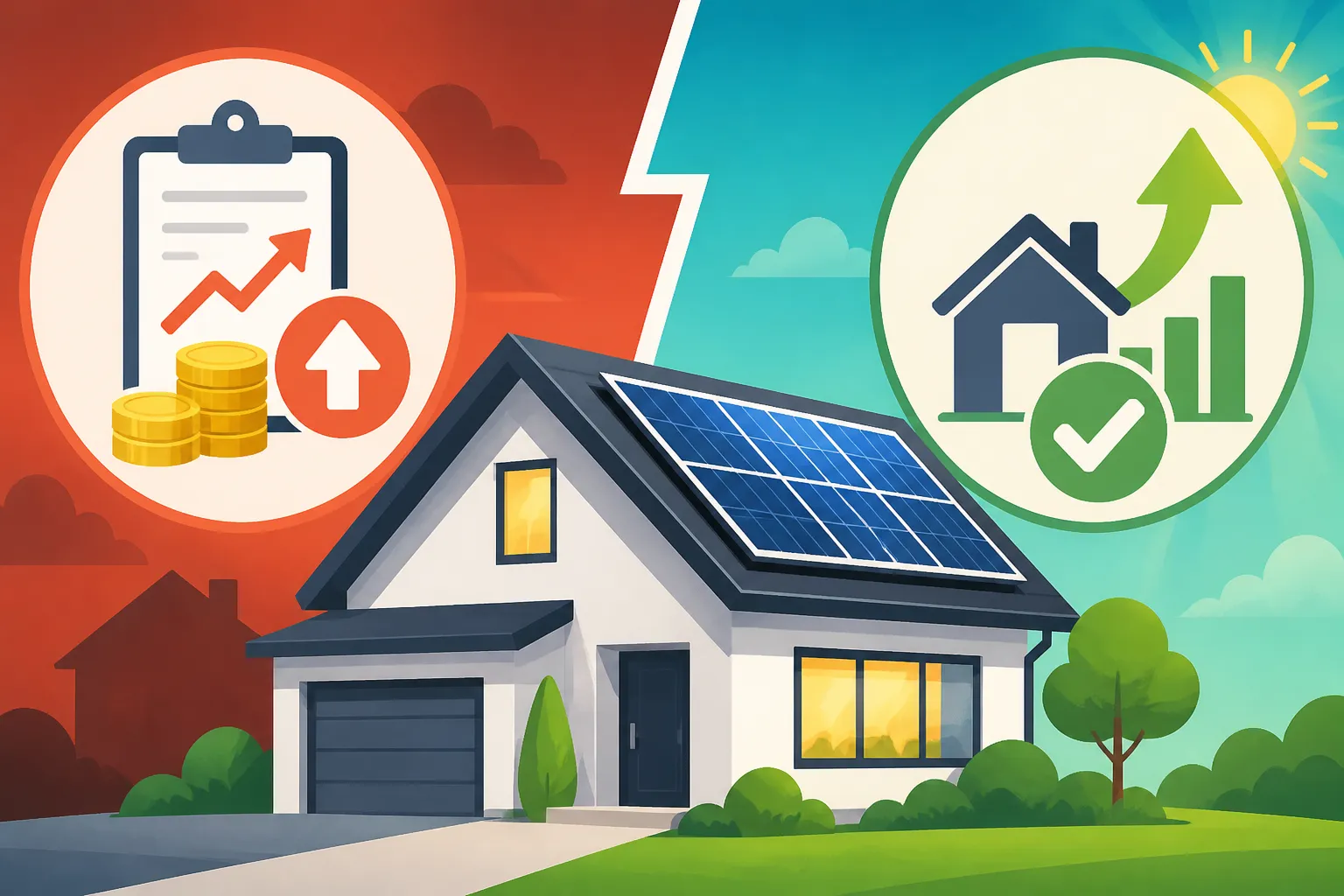
One of the biggest worries I hear from homeowners considering solar is the fear that their property taxes will skyrocket. It makes sense, right? You're adding a significant improvement to your home, and usually, that means the tax assessor takes notice. But when it comes to solar panels, the reality is often much different, and usually, it's good news! This guide is here to untangle the complexities of solar panels and property taxes, showing you how they typically boost your home's value without adding to your annual tax bill.
Understanding Property Tax Implications of Solar Panels
It’s completely natural to be concerned about your property taxes when you’re thinking about investing in a major home upgrade like solar panels. For most home improvements – like adding a new deck, renovating a kitchen, or building an extension – your local tax assessor will typically re-evaluate your home's value, and yes, that often leads to a higher property tax bill. This is because these improvements usually increase the market value of your property, making it subject to higher assessments. However, solar energy systems are often treated differently, thanks to proactive legislation designed to encourage renewable energy adoption.
The Good News: Property Tax Exemptions for Solar
Here’s the fantastic news for the vast majority of homeowners across the U.S.: installing solar panels usually does not increase your property taxes. This isn't just a happy accident; it's a result of specific state-level policies known as solar property tax exemptions. These exemptions are legislative tools designed to remove a significant barrier to solar adoption. Lawmakers understand that while solar panels certainly add value to your home, taxing that added value immediately would deter many people from making the switch.
Think about it: if every dollar of added home value from solar immediately translated to a higher tax bill, a lot of people would hesitate. These exemptions mean that the value added by your solar energy system is excluded from your property's assessed value for tax purposes. This policy effectively allows you to enjoy all the benefits of solar – lower utility bills, increased home value, and a reduced carbon footprint – without the financial penalty of higher annual property taxes. It's one of the Federal Solar Incentives That Still Exist in 2026 that works hand-in-hand with state-level policies.
Most states have some form of property tax exemption for solar, ranging from partial to full. This means that if you install a 10 kW system that adds, say, $30,000 to your home's market value, that $30,000 might be entirely ignored by your county assessor when they calculate your property taxes. It’s a huge financial incentive that makes going solar even more appealing. You can find detailed information on these exemptions by checking out our guide on Solar Property Tax Exemptions by State.
When Solar Might Affect Property Taxes
While the general trend is toward exemptions, it's crucial to understand that not every single state or local jurisdiction offers a full, blanket exemption. There are some exceptions or nuances to be aware of. For instance, a handful of states might offer only a partial exemption, meaning a percentage of your solar system's value might still be subject to property taxes. In these cases, while your taxes might increase slightly, it would still be less than if no exemption were in place.
Another scenario could involve the type of solar installation. Most exemptions cover standard rooftop solar panel systems. However, if you're installing a large, complex ground-mount system that significantly alters your property beyond just the panels themselves, there could be different rules. For example, if you're building a new, dedicated structure to house your ground-mount system, the structure itself might be assessed, even if the panels on it are exempt.
It's also worth noting that property tax laws can change. While most exemptions are long-standing, it's always wise to confirm the current regulations in your specific city or county. Don't just assume; a quick check with your local assessor's office or a reputable solar installer can provide peace of mind. While it's rare to find a state where solar universally increases property taxes without any offsetting exemption, these nuances are why doing your homework is so important before you commit.
How Exemptions Work and What to Look For
Understanding how these exemptions are applied in practice is key. In many cases, these property tax exemptions are automatic. This means that once your solar system is installed and registered with the local authorities (a process typically handled by your installer, often as part of getting Permission to Operate (PTO)), the tax assessor's office is automatically informed and applies the exemption. You might not need to fill out any special forms or jump through extra hoops.
However, in some jurisdictions, you might need to actively apply for the exemption. This could involve submitting a form to your county tax assessor or a similar municipal department. The timeline for this application can vary, so it’s important to clarify this early in your solar journey. A good solar installer, like those you can find through Modernize, should be well-versed in the local regulations and guide you through any necessary paperwork or application processes. They often have experience with the specific exemptions and requirements in your area, whether you're in a state with robust incentives like New York with its New York NY-Sun & State Solar Tax Credit (25%), or elsewhere.
When you're gathering quotes and discussing installation, make sure to ask prospective installers about the specific property tax exemptions that apply to your home. They should be able to clearly explain how the solar system will be assessed (or not assessed) for property tax purposes. Don't be shy about asking for specifics and documentation if available. Being informed upfront will prevent any surprises down the road and ensure you fully understand the financial benefits of your solar investment.
How Solar Panels Increase Home Value
Beyond the property tax considerations, one of the most compelling financial benefits of installing solar panels is the undeniable boost they give to your home's overall value. This isn't just about saving money on your electricity bill each month; it's about making your home more attractive, efficient, and valuable in the competitive real estate market. Studies and real-world sales data consistently show that homes with solar panels sell for more money and often sell faster than comparable homes without solar. This is a significant factor in the overall ROI & 25-Year Savings Breakdown of going solar.
The Energy Savings Factor
Let's face it: everyone loves saving money, and consistent, predictable energy savings are a huge draw. When you install solar panels, you essentially lock in or significantly reduce your electricity costs for decades to come. This makes your home inherently more valuable to potential buyers. Imagine comparing two identical homes on the market: one with high, unpredictable utility bills and another with significantly lower, stable energy costs thanks to solar. Which one would you choose?
This advantage becomes even more pronounced in areas with high electricity rates, like California, where understanding California NEM 2.0 vs NEM 3.0 Explained is crucial, or the Northeast. The long-term savings translate directly into a higher willingness to pay for the home. Buyers aren't just purchasing a house; they're purchasing a lifestyle with reduced monthly expenses. These savings are not theoretical; they are tangible and measurable, often providing immediate financial relief from the day your system receives its Permission to Operate (PTO).
Moreover, in a world increasingly conscious of environmental impact, a solar-powered home signals efficiency and sustainability. This is a powerful selling point that appeals to a growing segment of environmentally-aware buyers, making your property stand out from the crowd.
Appraisers and Solar Value
For a long time, home appraisers struggled to accurately assess the value added by solar panels. It was a relatively new technology in the residential market, and comparable sales (comps) of solar-equipped homes were scarce. However, this situation has dramatically changed. Today, the appraisal industry has much better methodologies and data to account for solar energy systems.
One of the most influential studies on this topic came from the National Renewable Energy Laboratory (NREL), which found that homes with solar panels sell for a premium compared to those without. Appraisers now often use a "cost approach" or "sales comparison approach" to determine the added value. With the sales comparison approach, they look at recently sold homes in your area that are similar to yours, distinguishing between those with and without solar. This allows them to quantify the average premium buyers are willing to pay for solar.
The value solar adds isn't fixed; it can depend on several factors, including the size and efficiency of your system, the age of the equipment, and local electricity rates. A well-maintained system with a strong warranty, like those offered by reputable brands such as Qcells or Maxeon, will typically add more value. When it's time to sell, having clear documentation about your system's performance, savings, and warranties can help an appraiser accurately assess its value and ensure you get the full benefit of your investment.
Marketing Your Solar Home
When you're ready to sell your solar-powered home, the panels become a powerful marketing asset. It's not just a feature; it's a benefit that can be highlighted in real estate listings, open houses, and discussions with potential buyers. You can showcase tangible data: your average monthly utility bill, the amount of clean energy produced, and the environmental impact your system has mitigated. This kind of information speaks volumes to savvy buyers.
Think of it like this: a new roof is a necessary expense, but it rarely excites a buyer. Solar panels, however, offer a continuous financial benefit. Real estate agents are increasingly trained to market solar homes effectively, emphasizing not just the eco-friendliness but the significant cost savings over the lifespan of the system. This can be particularly appealing to first-time homebuyers or those looking to reduce their long-term cost of homeownership.
Furthermore, a solar installation demonstrates that you’ve invested in your home's future and efficiency. It signals a proactive homeowner, which can implicitly suggest the home has been well-maintained in other areas too. This comprehensive appeal makes solar a strong selling point, helping your home stand out in a crowded market and attracting buyers who are looking for both financial and environmental benefits. Our article on Do Solar Panels Increase Home Value? dives even deeper into this topic.
Navigating Local Regulations and Finding Support
Embarking on the solar journey can feel a bit overwhelming with all the different regulations, incentives, and choices out there. But remember, you don't have to navigate it alone. There are plenty of resources and professionals dedicated to making the process as smooth as possible, from understanding property taxes to securing the best financing.
Checking Your State and Local Policies
While we've discussed the general rule that solar panels often don't increase property taxes due to exemptions, the devil is always in the details of your specific location. Property tax laws, like many other regulations, are primarily set at the state level, but local municipalities sometimes have their own additional rules or nuances.
For example, a state like Florida has a clear property tax exemption for residential renewable energy property, meaning your solar panels won't be taxed. However, other states might have different percentages of exemption or specific requirements. It's not just about property taxes either; states also vary widely on important policies like Net Metering Explained: How It Works by State, which dictate how you get credit for excess electricity your panels produce. Some, like Texas, have what are called Solar Buyback Programs in Texas rather than traditional net metering.
Before you get too far into the process, it’s a smart move to verify the current property tax exemption status in your specific county and city. A quick call to your local tax assessor's office or even checking their website can usually confirm the exact details. This due diligence ensures you have the most accurate information for your personal financial planning. You can also explore our detailed guides for specific states, such as California Solar Incentives in 2026 or Florida Solar Incentives in 2026, which often cover tax implications relevant to those areas.
Working with Reputable Solar Installers
This is where a trusted solar installer becomes your best friend. Reputable installers aren't just experts in putting panels on your roof; they are also intimately familiar with the local regulatory landscape, including all the incentives and tax policies that apply to your area. They deal with these details every single day and can provide invaluable guidance.
A good installer will:
- Educate you: Clearly explain the property tax exemptions and other incentives available in your specific location.
- Handle paperwork: Often assist with or entirely manage the necessary applications for permits, interconnection, and sometimes even tax exemptions, ensuring everything is filed correctly and on time.
- Provide accurate quotes: Factor in all applicable incentives, including the property tax savings, when calculating your overall system cost and projected savings.
When you're comparing solar quotes, don't hesitate to use services like Modernize. They can connect you with pre-vetted, qualified local solar installers who understand the ins and outs of regional regulations, including property tax exemptions. This helps ensure you're working with professionals who not only install a great system but also maximize your financial benefits by leveraging every available incentive. Asking them direct questions like "What are the specific property tax exemptions for solar in my county?" is a good way to gauge their expertise.
The Role of Incentives Beyond Tax Exemptions
While property tax exemptions are fantastic for ensuring your solar investment doesn't get penalized, they're just one piece of a larger puzzle of incentives designed to make solar affordable and attractive. Understanding the full suite of available benefits can significantly boost your overall return on investment.
Many states offer their own versions of State Solar Incentives: Complete 2026 Guide, which might include state tax credits, rebates from your utility company (check out Utility Solar Rebates: How to Find Yours), or even performance-based incentives where you earn money for the electricity your panels produce, such as through Solar Renewable Energy Credits (SRECs). For example, if you're in Massachusetts, you might benefit from the Massachusetts SMART Program Explained.
Combining these incentives with the property tax exemption means that the overall financial picture for solar is incredibly robust. What might seem like a large upfront investment becomes much more manageable and financially rewarding when you factor in all the ways you save money and potentially earn credits. From federal programs like the Investment Tax Credit (if it still exists in your installation year) to localized programs for Low-Income Solar Programs & Assistance, there's a good chance you qualify for multiple forms of financial aid, further proving that solar panels are a smart long-term investment for your home and your wallet.
| State | Property Tax Exemption for Solar | Notes |
|---|---|---|
| California | 100% Exemption | Excludes the value of active solar energy systems from property tax assessments. |
| Florida | 100% Exemption | Residential renewable energy property is entirely exempt from property taxes. |
| Arizona | 100% Exemption | Value of solar energy devices is exempt from property taxation. |
| Texas | 100% Exemption | Property tax exemption for solar and wind energy devices. |
| New York | 100% Exemption | Applies to solar electric generating systems, often requiring a local opt-in. |
| Massachusetts | 100% Exemption | Allows municipalities to exempt up to 100% of the value of solar energy systems for 20 years. |
| New Jersey | 100% Exemption | Excludes solar energy systems from property tax assessments. |
| Illinois | 100% Exemption | Exempts the increase in value attributable to a solar energy system. |
| North Carolina | 80% Exemption | 80% of the appraised value of the solar energy equipment is excluded from property tax. |
| Georgia | 100% Exemption | Applies to residential solar energy property. |
| Michigan | Varies by Local Policy | No statewide exemption; municipalities may offer exemptions, requiring local verification. |
| Pennsylvania | Varies by Local Policy | No statewide exemption; local jurisdictions may offer individual programs or exclusions. |
Disclaimer
Please note that the information provided in this article is for general guidance and informational purposes only, and does not constitute professional tax or financial advice. Property tax laws and solar incentive programs are subject to change and can vary significantly by state, county, and even municipality. We highly recommend consulting with a qualified tax professional, a real estate appraiser, and a reputable local solar installer to understand the specific implications for your individual situation. Always verify current regulations with your local authorities before making any decisions related to solar panel installation or property taxation.