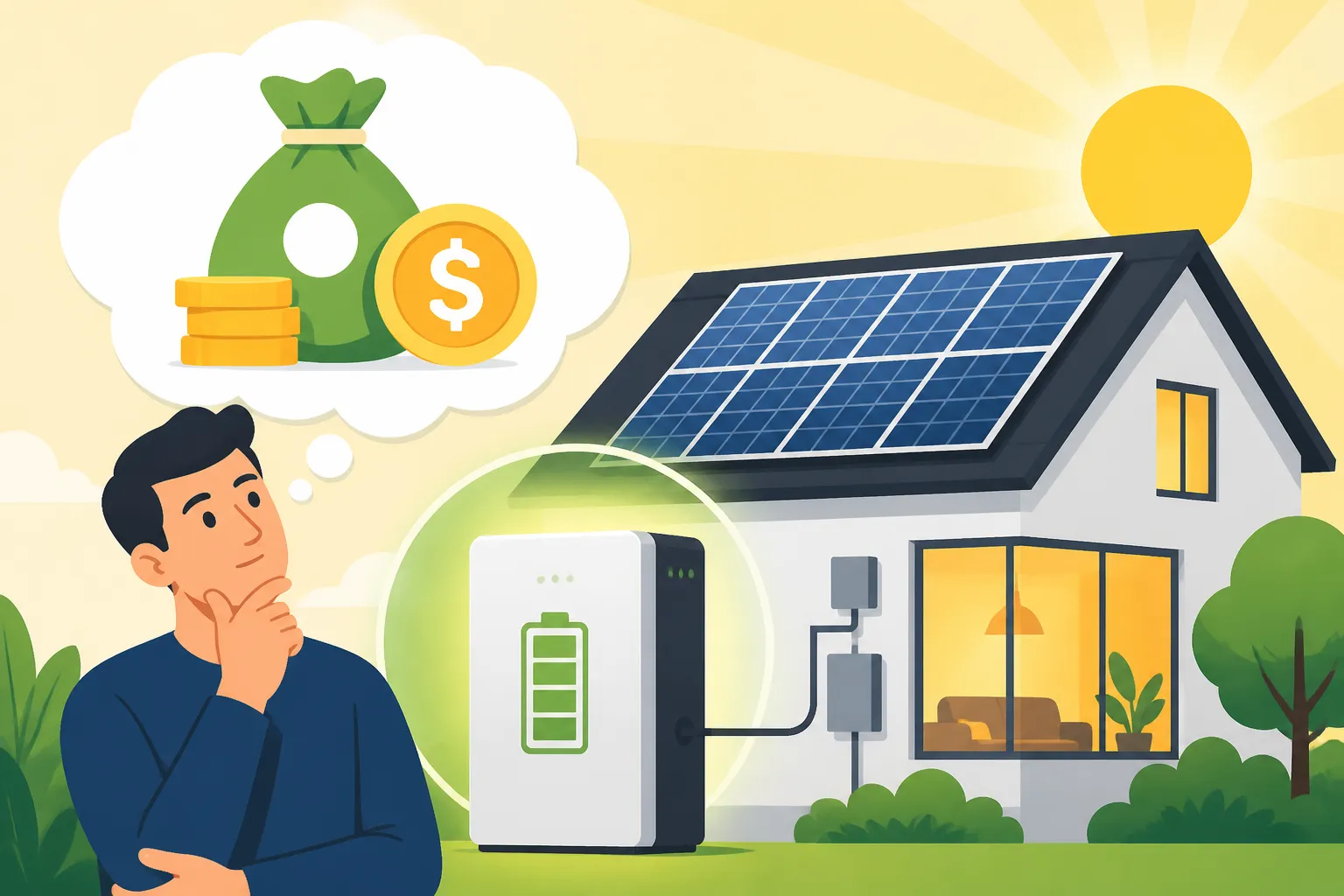
How Much Does It Cost to Add a Battery to Existing Solar?
You've already made the smart move to go solar, enjoying cleaner energy and lower bills. But maybe you're noticing that your system isn't quite giving you the full peace of mind you envisioned, especially when the power flickers, or your utility company changes its rates. This guide is for you: the proactive homeowner wondering exactly what it takes, and how much it costs, to bring battery storage into your existing solar setup, giving you true energy independence.
Why Homeowners Are Adding Batteries to Existing Solar Systems
It's a common scenario: you installed solar panels years ago, and they've been chugging along, doing their job. But lately, you might be feeling a nudge to do more, to get more out of your investment, or to address new concerns that have popped up. Adding a battery to an already installed solar system isn't just about having the latest tech; for many, it's about solving real-world problems that their original solar setup didn't fully address.
Battling Grid Instability and Power Outages
Let's be honest, nothing feels worse than having a roof full of solar panels during a blackout and still being completely in the dark. That's a huge frustration for many homeowners. Most grid-tied solar systems are designed to shut down automatically when the grid goes down, a safety measure for utility workers. This means all that clean power your panels are generating simply goes unused.
Adding a battery changes this game entirely. It provides a crucial buffer, storing excess energy your panels produce during the day. When the grid decides to take a vacation, your home seamlessly switches over to battery power, keeping your essential appliances, lights, and even your AC running. It's about having that reliable backup, whether it's for a few hours during a summer storm or for days after a major weather event. Homeowners in areas prone to outages, like parts of California with its public safety power shutoffs or hurricane-prone Florida, find this capability invaluable. If you're wondering, "Do solar panels work during a power outage?", the answer is often "not without a battery!"
Optimizing Energy Usage and Reducing Reliance on the Grid
Beyond backup power, a battery system helps you take control of your daily energy consumption. Think about it: your solar panels typically produce the most energy during the middle of the day when the sun is highest. For many households, this is when they're at work or school, and energy demand is lower. Without a battery, that excess energy often gets sent back to the grid.
A battery allows you to capture that surplus energy and save it for when you really need it, like in the evenings when you get home, turn on the lights, cook dinner, and crank up the TV. This practice, known as self-consumption, significantly reduces how much electricity you pull from the grid during peak hours, which can be the most expensive times. It's about making your solar investment work harder for you, every hour of the day, moving you closer to true energy independence. You'll want to understand how your utility uses "time-of-use" rates to see just how much a battery can save you.
Adapting to Evolving Net Metering and Utility Policies
The rules of the game are constantly changing when it comes to how utilities value the solar energy you send back to the grid. Many homeowners originally installed solar under favorable net metering policies, where they received a full retail credit for every kilowatt-hour (kWh) exported. However, in many states, these policies are being revised or replaced. California's NEM 3.0, for instance, significantly reduced the credit homeowners receive for exported energy, making battery storage much more appealing to maintain savings. You might be asking, "How Does California Net Billing (NEM 3.0) Affect Savings?" or "Is Net Metering Going Away?"
When the credit for sending power back to the grid diminishes, storing your excess solar production for your own use becomes a financially savvy move. A battery acts as your personal energy bank, ensuring you get the full value from every ray of sunshine your panels capture, rather than selling it back to the utility for pennies on the dollar. This adaptability makes adding a battery a strategic move for long-term savings and resilience against unpredictable utility policies.
The Components and Core Costs of Battery Retrofitting
So, you're convinced a battery is a smart addition. But what exactly are you paying for when you decide to integrate one into your existing solar setup? It's more than just the battery itself; there are several key components and services that contribute to the overall cost. Understanding these will help you decipher quotes and make informed decisions.
The Price Tag of the Battery Unit Itself
The battery unit is, naturally, the biggest chunk of your investment. Think of popular models like the Tesla Powerwall, Enphase IQ Battery, or FranklinWH aPower Battery. These aren't just big car batteries; they're sophisticated energy storage systems designed for home use, complete with integrated inverters and management software. The cost of the battery itself can range widely, typically from $8,000 to $15,000 per unit, before installation or any other components.
This cost depends heavily on the battery's capacity (how much energy it can store, measured in kWh) and its power output (how much electricity it can deliver at once, measured in kW). Larger homes or those with high energy demands for critical loads like well pumps or multiple air conditioners will likely need larger capacities or multiple battery units, pushing the hardware cost higher. When you're researching, you'll often see guides like "What Size Solar Battery Do I Need?" to help you figure this out. The chemistry of the battery, predominantly lithium-ion variants (like NMC or LFP), also plays a role in its cost and performance characteristics, though LFP is becoming more common due to its safety and longevity.
Evaluating Inverter Compatibility and Potential Upgrades
This is a critical, often overlooked, aspect of retrofitting. Your existing solar system has an inverter that converts the DC power from your panels into AC power for your home. When you add a battery, you need a way to charge it with DC power and then convert its stored DC power back to AC. This often involves a hybrid inverter or a battery inverter that can manage both solar production and battery charging/discharging.
If your current solar system uses a string inverter, you might need to add a separate battery inverter (AC-coupled system) or replace your existing inverter with a new hybrid inverter (DC-coupled system). Microinverter systems, like those from Enphase, often have a more straightforward integration path with their own battery solutions, such as the Enphase IQ Battery. The cost of these inverter upgrades can range from $2,000 to $6,000, on top of the battery cost. It's essential that your installer thoroughly assesses your current setup to determine the most efficient and cost-effective integration method. If you're looking at "Enphase vs SolarEdge: Which Inverter Is Better?" for new installations, those same considerations apply to battery integration.
Installation Labor, Permitting, and System Integration Fees
Beyond the hardware, there are the costs associated with getting everything safely and legally installed. Installation labor involves skilled electricians and solar technicians who connect the battery to your existing system, ensuring proper wiring, safety disconnects, and integration with your home's electrical panel. This can be complex, especially with older solar systems or if your main service panel needs an upgrade to accommodate the new loads.
Permitting is another necessary step. Local building departments require permits for battery installations to ensure they meet safety codes. These fees vary by municipality but typically range from a few hundred to over a thousand dollars. Finally, there's the system integration: configuring the battery management system with your solar monitoring platform, ensuring it communicates correctly, and testing everything to make sure it's working seamlessly. These "soft costs" for labor, permits, and integration can add another $2,000 to $5,000 or more to the total project, depending on the complexity and local regulations. A reputable installer will break down these costs clearly in their quote.
Key Factors That Shape Your Total Retrofit Expenses
The sticker price for adding a battery to an existing solar system isn't a one-size-fits-all number. Several variables will significantly influence your final investment. Understanding these factors can help you anticipate costs and choose the right solutions for your home and budget.
Choosing the Right Battery Size and Chemistry
One of the primary cost drivers is the capacity of the battery you choose, often measured in kilowatt-hours (kWh). Do you want to back up your entire home for days, or just a few critical circuits (like your fridge, lights, and WiFi) for a few hours? A smaller capacity battery, say 10 kWh, will be less expensive than a larger 20 kWh unit. Most homeowners opt for 1-2 battery units, providing 10-20 kWh of usable storage, which is sufficient for typical critical loads during an outage or for optimizing daily energy use.
The battery chemistry also plays a role. While most modern home batteries are lithium-ion based, there are variations like Lithium Nickel Manganese Cobalt Oxide (NMC) and Lithium Iron Phosphate (LFP). LFP batteries, used in products like the Tesla Powerwall 3 and FranklinWH, are often lauded for their enhanced safety, longer cycle life, and slightly lower cost per kWh compared to NMC, making them a popular choice for residential applications. However, different chemistries also come with different performance characteristics, influencing the ultimate cost and the system's longevity. This is part of the comprehensive "Solar Battery Cost: Full Breakdown" that good installers will walk you through.
Impact of Brand, Features, and Warranty
Just like with solar panels, battery brands come with different reputations, features, and price points. Premium brands known for reliability and advanced features, such as Enphase and Tesla, might come with a higher initial cost but often boast integrated energy management systems, robust warranties, and excellent customer support. For example, a Tesla Powerwall might be priced differently than an LG Chem RESU or a Generac PWRcell. These brands each offer unique benefits, from seamless integration with their own solar ecosystems to specialized backup capabilities.
Warranties are another crucial factor. A longer, more comprehensive warranty (e.g., 10 years for 70% capacity retention) can provide peace of mind but might be reflected in a slightly higher upfront price. Consider what features are important to you: seamless app integration, robust grid-forming capabilities, or the ability to easily expand your system in the future. These choices directly impact the overall expense. When exploring options, it's wise to consult resources like "Best Solar Batteries of 2026" to compare top contenders.
The Condition and Age of Your Existing Solar Setup
The age and specific components of your current solar system can significantly affect the complexity and cost of adding a battery. If your solar panels and inverter are relatively new and still under warranty, integration might be simpler and less costly. However, if you have an older system with an outdated string inverter, you might need a more substantial upgrade. As discussed before, a new hybrid inverter or an additional battery inverter might be necessary, adding to the expense.
The electrical infrastructure of your home also matters. Is your main electrical panel up to code and capable of handling the additional components? Sometimes, an electrical panel upgrade is required, which can add $1,500 to $4,000 or more to the total cost. Your installer will need to conduct a thorough site assessment to determine these potential additional expenses. This evaluation is critical to ensure safety and optimal performance, and it's a good idea to seek out installers who specialize in retrofits, as they'll be more familiar with these integration challenges.
Local Labor Rates and Installation Complexity
The cost of labor varies considerably depending on your geographic location. Installers in high-cost-of-living areas like the Northeast or coastal California will typically charge more for their services than those in the Midwest or rural areas. The complexity of the installation itself also plays a role. Is the battery being installed in an easily accessible garage, or does it require significant conduit runs or structural modifications to be placed in a less convenient spot?
For instance, installing a battery system in a compact urban home might present different logistical challenges compared to a spacious suburban property. Furthermore, some installers might have specialized expertise with certain battery brands, leading to more efficient — and potentially more cost-effective — installations for those specific systems. Getting multiple quotes from different, reputable installers through platforms like Modernize can help you compare costs and find a fair price for your specific situation. This also allows you to compare their proposed solutions and ensure you're getting the best value.
Maximizing Your Investment: Incentives and Financial Strategies
While the upfront cost of adding a solar battery might seem significant, there are various avenues to help make it more affordable and ensure a strong return on your investment. Understanding these incentives and how to strategically approach financing can drastically reduce your out-of-pocket expenses.
Federal and State Incentives for Energy Storage
Good news! Even if your original solar installation benefited from federal incentives, many of the same tax credits and programs still apply to standalone battery storage or battery additions. The Investment Tax Credit (ITC), for example, allows homeowners to claim a significant percentage of the cost of eligible clean energy equipment, including solar batteries, as a credit on their federal income taxes. This credit can offset a substantial portion of your battery purchase and installation costs. It’s important to stay informed about the current percentage, as it can change. For more details on current federal incentives, you might want to read about "Federal Solar Incentives That Still Exist in 2026."
Beyond the federal level, many states and even some local municipalities offer their own incentives. These can come in various forms, such as state tax credits, rebates, or performance-based incentives (PBIs). For instance, states like Massachusetts and California have programs specifically designed to encourage battery storage adoption. New York's NY-Sun program, while primarily for solar, can also have components that benefit storage. Researching "State Solar Incentives: Complete 2026 Guide" for your area is a crucial step in understanding how much you can save. These incentives are designed to make renewable energy solutions more accessible and can significantly reduce the overall cost of your battery retrofit.
Leveraging Time-of-Use Rates and Grid Services
A battery system doesn't just offer backup; it's also a powerful tool for smart energy management, especially if your utility has Time-of-Use (TOU) rates. With TOU rates, electricity is more expensive during peak demand hours (typically late afternoon to evening) and cheaper during off-peak hours (like midday or overnight). Your battery can be programmed to charge during off-peak hours (using either cheap grid electricity or your solar production) and then discharge during expensive peak hours, effectively allowing you to avoid buying high-priced electricity from the utility. This strategy, known as "arbitrage," can lead to substantial monthly savings on your utility bill.
Furthermore, some utilities are starting to offer programs where homeowners with batteries can participate in "virtual power plants" or demand response programs. In these programs, your battery can be called upon by the utility to provide energy back to the grid during times of high demand or grid stress, and in return, you receive a payment or credit. While not widespread everywhere, these types of grid services represent an exciting future for maximizing the financial returns of your battery investment. This further reduces your "Solar Panel Payback Period Explained" if you also factor in the battery savings.
Finding Qualified Installers and Comparing Quotes
Once you're ready to move forward, the process of finding the right installer is paramount. Battery installation is complex, requiring specialized electrical expertise and familiarity with both your existing solar system and the new battery technology. It's not a job for just any electrician. You'll want to find certified professionals who have a track record of successful battery retrofits.
Start by getting quotes from at least three different, reputable solar and storage companies. Platforms like Modernize can connect you with qualified local installers who understand the intricacies of battery integration. When comparing quotes, don't just look at the bottom line. Pay close attention to:
- The specific battery model and capacity proposed.
- Any necessary inverter upgrades or additional electrical work.
- The total cost broken down by hardware, labor, and permitting.
- The warranty on the battery and the installation workmanship.
- Estimated incentives and how they've been factored into the pricing.
Asking detailed questions, such as those covered in "What Questions to Ask a Solar Installer," can reveal a lot about an installer's expertise and commitment to customer satisfaction. A good installer will explain everything clearly, answer all your questions, and provide a comprehensive proposal that details the scope of work and expected savings.
Comparing Popular Home Battery Systems for Existing Solar
To help you visualize some options, here's a brief comparison of a few popular home battery systems often considered for integration with existing solar. Keep in mind that prices are estimates and can fluctuate based on market conditions, installer, and specific features.
| Battery System | Usable Capacity (kWh) | Continuous Power (kW) | Chemistry (Typical) | Estimated Unit Cost (Hardware Only) | Key Features for Retrofit |
|---|---|---|---|---|---|
| Tesla Powerwall 3 | 13.5 | 11.5 | LFP | $9,000 – $12,000 | Integrated inverter, compact, popular |
| Enphase IQ Battery 5P | 5.0 (scalable) | 3.84 | LFP | $3,500 – $5,000 (per module) | Modular, integrates seamlessly with Enphase solar |
| FranklinWH aPower | 13.6 | 5.0 | LFP | $10,000 – $13,000 | Whole-home backup focus, advanced monitoring |
| SolarEdge Home Battery | 9.7 / 19.4 | 5.0 / 10.0 | NMC | $8,000 – $15,000 | Optimized for SolarEdge inverters |
Note: These are estimated hardware costs only and do not include installation, inverter upgrades (if needed), permitting, or other soft costs. Your actual cost will vary.
Final Thoughts on Enhancing Your Solar Investment
Deciding to add a battery to your existing solar system is a significant step towards greater energy independence, enhanced home resilience, and smarter energy management. It's a move that many homeowners are making, not just for the peace of mind during power outages, but also to truly maximize the value of their solar investment in an evolving energy landscape.
While the initial cost may seem like a hurdle, remember that comprehensive planning, understanding all the cost components, and diligently seeking out available incentives can make it a highly worthwhile endeavor. Taking the time to compare different battery solutions, assess your current solar system's compatibility, and choose a highly-rated installer will ensure you get a system that meets your needs and provides lasting value. By embracing energy storage, you're not just buying a battery; you're investing in a more secure, efficient, and sustainable future for your home.
Disclaimer
This article is intended for informational purposes only and does not constitute financial, tax, or professional energy advice. The cost estimates provided are general and can vary significantly based on location, specific equipment chosen, installer rates, and individual home characteristics. It is highly recommended to consult with qualified solar and battery storage professionals to obtain accurate quotes and assessments tailored to your specific situation and to understand all applicable incentives and regulations in your area.