Solar Panel Cost in Colorado
Thinking about going solar in Colorado? You're probably staring at your electric bill, watching those numbers climb, and wondering if harnessing that abundant Rocky Mountain sunshine is a financially sound move. The upfront cost of solar panels can seem like a big hurdle, and it's easy to get lost in all the numbers, incentives, and technical jargon. This guide is here to cut through the noise, giving you a clear, empathetic look at what solar panels really cost in Colorado and how to make the switch without breaking the bank.
Understanding the Average Solar Panel Cost in Colorado
Let's be real, the first thing everyone wants to know is, "How much is this actually going to set me back?" The truth is, there's no single, universal price tag for solar panel installation in Colorado. It's not like buying a car where you pick a model and get a sticker price. Your total cost will depend on a host of factors, from your specific energy needs to the unique characteristics of your home. However, we can break down the averages to give you a solid starting point.
Current Price Per Watt in Colorado
When we talk about solar panel costs, a common metric you'll hear is "cost per watt." This helps standardize comparisons across different system sizes and makes it easier to understand the relative value. In Colorado, the average cost for a solar panel system hovers around $2.70 to $3.50 per watt before any incentives are applied. This might sound like a small number, but it quickly adds up when you consider how many watts your home needs.
For instance, if you're looking at a system that costs $3.00 per watt, and you need a 10,000-watt (or 10-kilowatt) system, you're looking at an initial outlay of around $30,000. It's a significant investment, but it’s crucial to remember that this figure doesn't account for the incredible financial benefits and long-term savings that Colorado residents can tap into. Understanding the "Solar Panel Cost Per Watt Explained" can help you decipher quotes and make informed decisions.
Typical System Sizes and Total Costs
Most Colorado homeowners installing solar aren't looking for a tiny system that only covers a fraction of their electricity. They're typically aiming for significant reductions in their utility bills, often approaching 100% offset. This usually means installing a system in the range of 6 kW to 12 kW, depending on your household's energy consumption.
Let's look at some common examples to give you a clearer picture of the total costs you might encounter in Colorado:
- For a smaller home or lower energy usage (e.g., 6 kW system): You might expect an average gross cost somewhere between $16,200 and $21,000. This could be suitable for a small house or a household that's very energy-conscious.
- For an average Colorado home (e.g., 8 kW system): This is a very common size for families in Colorado, especially if you have standard appliances and possibly run AC in the summer. The gross cost could range from $21,600 to $28,000.
- For a larger home or high energy usage (e.g., 10 kW system): If you have a bigger family, electric vehicles, or high heating/cooling demands, a 10 kW system might be more appropriate. Expect gross costs in the range of $27,000 to $35,000.
Remember, these are gross costs. What you actually pay out of pocket can be significantly less once you factor in state incentives, utility rebates, and other financial programs, which we’ll dive into next. To get a better handle on these numbers, explore our guide on "Solar Panel Cost by System Size (kW)".
| System Size (kW) | Estimated Gross Cost Range (Colorado) | Annual kWh Production (Approx.) | Suitable For |
|---|---|---|---|
| 6 kW | $16,200 – $21,000 | 7,200 – 9,600 | Small home, low usage |
| 8 kW | $21,600 – $28,000 | 9,600 – 12,800 | Average home, moderate usage |
| 10 kW | $27,000 – $35,000 | 12,000 – 16,000 | Larger home, high usage |
| 12 kW | $32,400 – $42,000 | 14,400 – 19,200 | Very large home, very high usage |
Note: Production estimates assume 4-5 peak sun hours per day, which is typical for much of Colorado.
Key Factors Influencing Solar Panel Costs in the Centennial State
You might be wondering why there's such a range in those cost estimates. It's not just about how much electricity you use. Several critical factors come into play, each contributing to the final price tag of your solar energy system. Understanding these variables can help you make more informed decisions and avoid sticker shock. For a broader perspective on costs, check out "How Much Do Solar Panels Cost? 2026 Guide".
Equipment Choices and Panel Efficiency
The components you choose for your solar setup can significantly sway the overall price. Not all solar panels are created equal, and neither are the inverters or optional battery storage systems.
- Solar Panels: There's a wide spectrum of solar panels available. Premium brands like Maxeon (SunPower) or REC generally boast higher efficiency rates and better warranties, but they come with a higher price tag per panel. Mid-range options from reputable manufacturers like Qcells or Jinko Solar offer a great balance of performance and value. Choosing higher-efficiency panels means you might need fewer panels to meet your energy needs, which can save roof space but might cost more per watt. Our guide on the "Best Solar Panels of 2026" can help you navigate these choices.
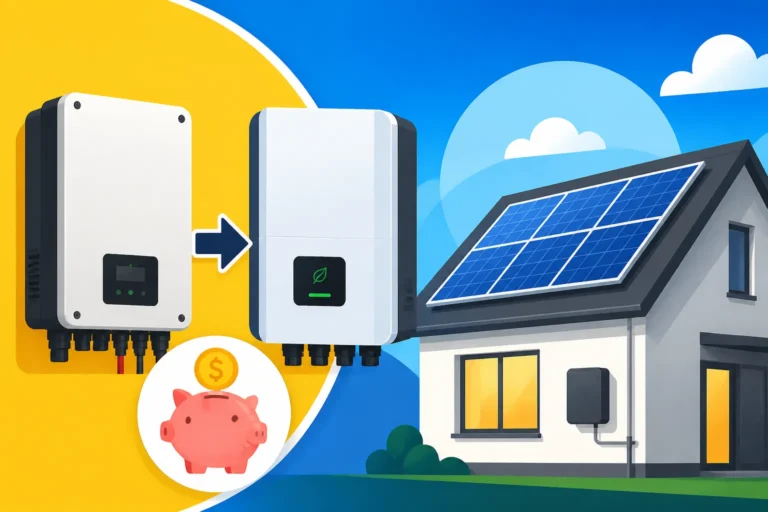
- Inverters: This is the brain of your solar system, converting the DC electricity from your panels into AC electricity your home can use. You'll typically choose between string inverters, power optimizers, or microinverters (like those from Enphase). Microinverters, which are installed under each panel, tend to be more expensive but offer individual panel monitoring and better performance in shaded conditions, which can be a real plus in areas with trees or complex rooflines. String inverters are often more budget-friendly for simpler, unshaded roofs. Learn more by reading "Solar Inverters: String vs Microinverter vs Optimizer".
- Battery Storage: Adding a solar battery, like a Tesla Powerwall or Enphase IQ Battery, can dramatically increase your system's cost, often by $10,000 to $20,000 or more per battery. However, batteries offer incredible benefits, especially in Colorado. They provide backup power during grid outages – a real concern during winter storms or summer wildfires – and allow you to store excess solar energy to use at night or during peak utility rates. While a battery adds to the upfront cost, it can enhance your energy independence and long-term savings. "Best Solar Batteries of 2026" offers a deep dive into options.
Installation Labor, Roof Complexity, and Permitting Fees
Beyond the equipment itself, the actual installation process and the unique characteristics of your home play a huge role in the final cost.
- Labor Costs: These vary depending on your location within Colorado. Installers in bustling urban areas like Denver, Boulder, or Colorado Springs might have slightly different labor rates compared to those in more rural parts of the state. The reputation and experience of your installer also factor in; a highly-rated, experienced company might charge a bit more, but you're paying for quality workmanship and peace of mind.
- Roof Characteristics: Is your roof new or old? Is it asphalt shingle, tile, metal, or flat? The type and condition of your roof significantly impact installation time and complexity. For instance, installing on a flat roof or a tile roof can be more labor-intensive and require specialized mounting hardware, increasing costs. A steep pitch or multiple dormers that create a complex roofline can also add to labor hours. You might even need a "Roof Replacement Cost Before Solar" if your existing roof is nearing the end of its life.
- Shading and Obstructions: If your roof has significant shading from trees or nearby buildings, installers might need to design a larger system or incorporate more microinverters to compensate for reduced production, affecting the price.
- Permitting and Interconnection Fees: Every solar project in Colorado requires permits from your local municipality (city or county) and approval from your utility company (like Xcel Energy, Black Hills Energy, or Holy Cross Energy) for grid interconnection. These fees vary widely. For example, Denver might have different permitting costs and processes than a smaller town on the Western Slope. These administrative steps are crucial and add to the overall project cost and timeline.
Local Incentives, Rebates, and Net Metering Policies
This is where the financial picture for Colorado homeowners really starts to brighten! While the federal solar tax credit is the biggest incentive nationwide, Colorado offers its own set of compelling programs.
- State and Local Incentives: Colorado doesn't have a statewide solar tax credit, but it does have some powerful property tax exemptions. For example, the state offers a property tax exemption for the added value solar panels bring to your home, meaning your property taxes won't increase due to your new solar array. Some local jurisdictions or utilities might also offer specific grants or rebates. Always check with your local government and utility provider for the most current programs. Our "State Solar Incentives: Complete 2026 Guide" can offer more general information, but local research is key.
- Utility Solar Rebates: Many Colorado utilities offer rebates that can directly reduce your upfront costs. Xcel Energy, for example, which serves a large portion of the state, has historically offered rebates for solar installations. These programs can change, so it's vital to check their current offerings. Other utilities like Black Hills Energy or Tri-State Generation and Transmission Association may also have their own specific incentives for their customers. Make sure to investigate "Utility Solar Rebates: How to Find Yours" in your service area.
- Net Metering: Colorado has strong net metering policies, which are absolutely crucial for maximizing your solar savings. Net metering allows you to send any excess electricity your panels produce back to the grid, and your utility credits you for that power, typically at the full retail rate. This effectively turns your electric meter backward when your panels are over-producing, significantly reducing your monthly bill. Without robust net metering, the economic benefits of solar would be much harder to realize. Understanding "Net Metering Explained: How It Works by State" is fundamental to evaluating your long-term savings.
All these factors combine to create your unique solar cost profile in Colorado. It's why getting detailed, custom quotes from multiple local installers is so important – they'll factor in your specific home, energy usage, and available incentives to give you an accurate picture.
Saving Money on Your Colorado Solar Investment
While the initial gross cost of solar panels in Colorado can seem substantial, there are numerous ways to bring that figure down and ensure your investment provides excellent long-term returns. It's about being savvy and knowing where to look for financial assistance and smart purchasing strategies.
Leveraging State and Local Programs
Even without a direct state income tax credit, Colorado provides significant financial advantages for solar homeowners.
- Property Tax Exemptions: This is a big one. Colorado offers a property tax exemption for the value added to your home by a renewable energy system. This means that if your solar panels increase your home's value by, say, $15,000, you won't pay extra property taxes on that increase. Over the 25-30+ year lifespan of your system, this can save you thousands of dollars, making solar a more attractive proposition. You can find more specific details in our article on "Solar Property Tax Exemptions by State."
- Local Initiatives: Don't forget to check with your specific city or county. Many forward-thinking communities in Colorado, like Boulder, Fort Collins, and Denver, have their own local sustainability offices or energy programs that occasionally offer grants, low-interest loan programs, or educational resources to encourage solar adoption. These programs might be smaller in scope but can still provide meaningful savings or support.
- Sales Tax Exemptions: Some states offer sales tax exemptions on solar equipment, which can save you a chunk of money on the purchase of your panels and related components. While Colorado has a relatively low state sales tax, local taxes can add up. It's worth researching if your specific jurisdiction offers a "Solar Sales Tax Exemptions by State".
These localized benefits, combined with the strong net metering policies, create a fertile ground for solar investment in Colorado. It's a testament to the state's commitment to clean energy and makes the Centennial State one of the most favorable places for solar in the Mountain West.
Comparing Quotes and Choosing the Right Installer
This step is absolutely critical for both cost savings and peace of mind. Getting multiple quotes isn't just about finding the cheapest option; it's about finding the best value for your specific needs.
- Get at least 3-5 Quotes: Don't settle for the first quote you receive. Reach out to several reputable solar installers operating in Colorado. Platforms like Modernize can be incredibly helpful here, connecting you with pre-vetted local installers. This allows you to compare not just the total price, but also the equipment proposed, warranties offered, estimated energy production, and financing options. Each installer will have slightly different overheads, preferred equipment partners, and pricing strategies.
- Review Equipment and Warranties: A lower price might mean cheaper, less efficient panels with shorter warranties. A slightly higher quote might offer premium panels with a 25-year product and performance warranty, which could save you money on replacements or repairs down the line. Make sure you understand the differences between a product warranty and a performance warranty.
- Check Installer Credentials and Reviews: Look for installers certified by the North American Board of Certified Energy Practitioners (NABCEP). Read customer reviews on independent sites to gauge their reputation for customer service, installation quality, and post-installation support. A great installer will also help you navigate the permitting and incentive application processes. Our comprehensive guide on "How to Choose a Solar Installer" provides more excellent tips for this crucial decision.
Understanding Your Financing Options
How you pay for your solar system can drastically impact your immediate out-of-pocket cost and your overall financial benefit.
- Cash Purchase: This is generally the most cost-effective option in the long run. By paying upfront, you avoid interest charges, dealer fees, and other financing costs. Your payback period will be shorter, and your total lifetime savings will be maximized. However, it requires a significant amount of capital upfront, which isn't feasible for everyone. "Cash vs Financing Solar: Which Saves More?" dives deep into this comparison.
- Solar Loans: The most popular choice for homeowners, solar loans allow you to finance the purchase of your system, much like a car loan or home improvement loan. This means $0 down options are often available, and you own the system from day one. You'll make monthly loan payments, which ideally are lower than your previous utility bill. It's crucial to compare interest rates, loan terms, and any hidden "Solar Dealer Fees Explained (Hidden Loan Costs)" when exploring loan options. Look for lenders specializing in solar, as they often have more favorable terms. For a complete understanding, check out "Solar Loans: Complete Guide".
- Solar Leases and Power Purchase Agreements (PPAs): With a solar lease, you pay a fixed monthly fee to a solar company to use the panels installed on your roof. With a PPA, you only pay for the electricity the panels produce, usually at a rate lower than your utility's. Both options typically require $0 down and transfer the maintenance and performance risks to the solar company. However, you don't own the system, so you don't directly benefit from incentives like the property tax exemption (the leasing company usually claims it). While they offer immediate savings, they generally provide less long-term financial benefit than owning the system outright. Our article on "Solar Lease vs PPA vs Buy: Which Is Best?" offers a detailed comparison.
By carefully considering these factors and exploring all your options, Colorado homeowners can confidently invest in solar power, knowing they're making a smart financial and environmental choice. The path to energy independence might seem complex at first, but with the right information, it's a journey well worth taking.
Disclaimer
Please note that the information provided in this guide is for general informational purposes only and does not constitute financial, legal, or professional advice. Solar panel costs, incentives, and policies are subject to change and can vary significantly based on your specific location, energy usage, and local regulations. Always consult with qualified solar professionals, financial advisors, and local authorities to obtain accurate and personalized information for your situation.