Michigan Solar Incentives in 2026
Thinking about going solar in Michigan can feel a bit like wading through dense Michigan snow in winter – you know there are benefits underfoot, but finding them and understanding how to truly take advantage can be a challenge. With evolving policies and various programs, many homeowners struggle to pinpoint exactly what financial help is available to make their solar dreams a reality. This guide will meticulously break down the Michigan solar incentives currently available, helping you confidently navigate the landscape and maximize your savings.
Understanding Michigan's Approach to Solar Incentives
Michigan's approach to solar energy has been evolving, focusing on a mix of state-mandated programs and utility-specific initiatives to encourage renewable energy adoption. Unlike some states with aggressive, direct state-level tax credits, Michigan tends to rely more on utility-driven programs and property-based exemptions, making it crucial for homeowners to look beyond just federal incentives.
The Landscape of State-Level Support
While Michigan doesn't offer a direct state solar tax credit in 2026 like some other states, it does provide significant financial benefits through other mechanisms. The state's commitment to renewable energy standards drives many of these programs, often administered at the utility level or through local government initiatives. It's a nuanced system that requires a bit of digging, but the rewards for understanding it are well worth the effort. You might be wondering, "Is the Solar Tax Credit Gone in 2026?" The federal solar tax credit, officially known as the Investment Tax Credit (ITC), is still very much alive and well for homeowners across the U.S., including Michigan, offering a substantial 30% credit for systems installed through 2032. This federal incentive forms the bedrock of solar savings, even in states without their own direct state credits.
One of the most impactful state-level policies affecting solar homeowners in Michigan is the Net Metering program. While not an upfront incentive, it's a critical component of the financial viability of solar, ensuring you get fair compensation for the excess electricity your panels produce and send back to the grid. This policy fundamentally changes how much you can save, as it offsets your need to purchase electricity from your utility. Understanding how Net Metering Explained: How It Works by State can drastically alter your perceived return on investment.
Local and Utility Programs Making a Difference
Beyond state mandates, individual utility companies and local governments often step up with their own programs to further encourage solar adoption. These can range from one-time rebates to unique rate structures designed for solar customers. For instance, utilities like Consumers Energy and DTE Energy, which serve a large portion of Michigan residents, have historically offered various programs that complement the state's policies. These utility solar rebates are a fantastic way to further reduce the upfront cost of your system.
Finding these local and utility-specific offerings can sometimes feel like a treasure hunt, as they vary widely by location and can change over time. It's not always a single, unified statewide incentive, but rather a patchwork of opportunities that you need to be aware of. Sometimes, cities or counties might offer their own localized programs, or even participate in initiatives that provide low-income solar programs & assistance, ensuring solar is accessible to a broader range of residents. This layered approach means that a comprehensive search is necessary to uncover all potential savings.
Key Solar Incentives Available to Michigan Homeowners
When considering solar in Michigan, it's essential to understand the core incentives that will directly impact your wallet. These aren't always flashy upfront payments, but rather long-term savings and tax advantages that make solar a sound financial decision.
Net Metering Policies and Their Impact
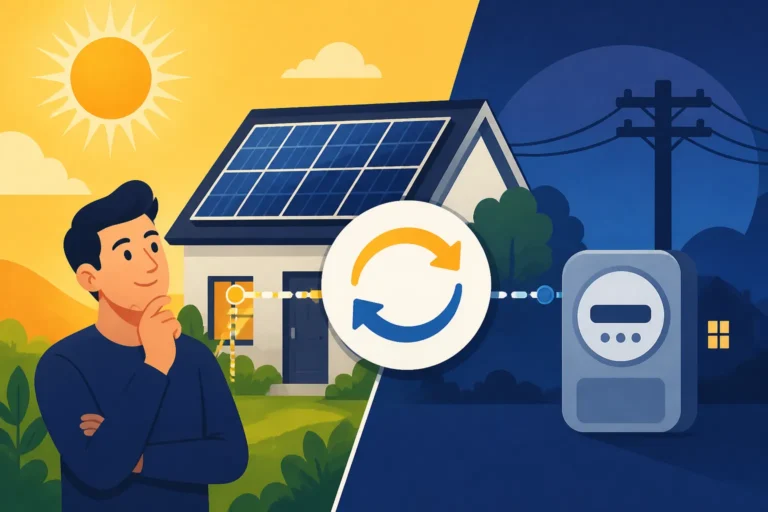
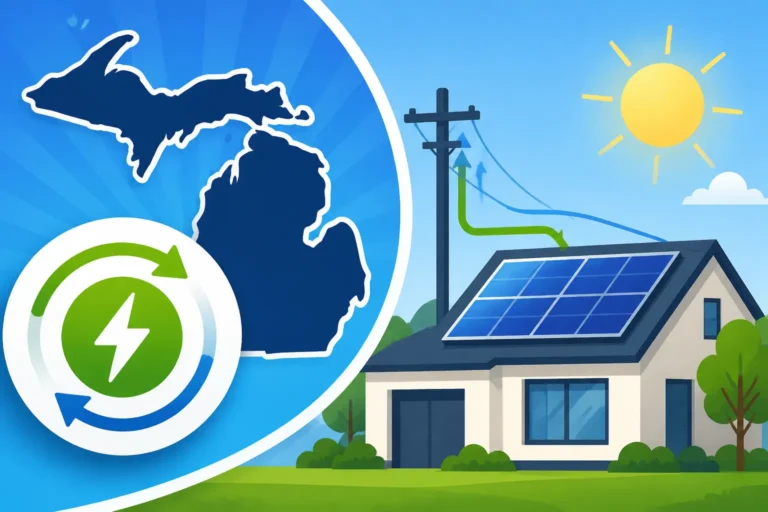
Michigan's net metering policy allows you to receive credits on your utility bill for any surplus electricity your solar panels generate and send back to the grid. When your panels produce more power than your home consumes, especially during peak sunlight hours, that excess energy doesn't just disappear; it flows back into the grid, and your utility credits you for it. Later, when your panels aren't producing enough—like at night or on cloudy days—you draw power from the grid, and those credits offset your usage. This mechanism is crucial for maximizing your savings and reducing your reliance on the utility company.
However, it's important to note that while net metering exists, the specifics can vary between utility providers. Some might offer full retail rate credits, meaning you get the same price for your excess electricity as you pay for electricity you pull from the grid. Others might offer an "avoided-cost rate" or a reduced credit, which is generally lower than the retail rate. It's vital to check with your specific utility, whether it's DTE Energy in Southeast Michigan or Consumers Energy in the western and northern parts of the Lower Peninsula, to understand their exact Net Metering vs Net Billing: What's the Difference? policy. This detail significantly impacts your long-term return on investment.
Property and Sales Tax Exemptions
One of the less-talked-about, but highly beneficial, incentives in Michigan is the exemption from increased property taxes due to solar installation. Typically, when you make a significant home improvement that increases your property's value, your property taxes go up. Installing solar panels definitely increases your home's value – studies often show a notable bump in appraisal for homes with owned solar systems. Thankfully, Michigan Solar Property Tax Exemptions by State prevent your property taxes from increasing solely because you've added a solar energy system. This means you get all the added home value and energy savings without the penalty of higher annual tax bills.
In addition to property tax exemptions, Michigan also offers a sales tax exemption for residential solar systems. This means you don't have to pay state sales tax on the purchase and installation of your solar equipment. Given that solar panel systems can be a significant investment, saving 6% on the total cost can amount to hundreds, if not thousands, of dollars. For example, on a $25,000 solar system, a 6% sales tax exemption saves you $1,500 immediately. These exemptions are automatic and apply statewide, making them a consistent and valuable part of Michigan's solar incentive package. You can find more details on this topic by looking into the Solar Sales Tax Exemptions by State.
Specific Utility Rebates and Programs
Beyond statewide tax benefits and net metering, many of Michigan's utilities offer their own specific rebates or programs to incentivize solar. These can change periodically, so it’s always a good idea to check directly with your electricity provider.
For example, Consumers Energy has, in the past, offered programs to residential customers installing solar. These might come in the form of a per-kilowatt (kW) rebate, a direct payment, or even special tariffs for solar producers. Similarly, DTE Energy has also provided incentives to encourage renewable energy generation within its service territory. These Utility Solar Rebates: How to Find Yours can sometimes cover a significant portion of the upfront costs, making solar more accessible.
It's not just the big players either; smaller municipal utilities and electric cooperatives across Michigan might also have their unique initiatives. Sometimes these programs are capacity-limited or offered on a first-come, first-served basis, so acting quickly once you've decided to go solar can be beneficial. These rebates are often stackable with the federal tax credit and state tax exemptions, further enhancing your overall financial return on investment. Always contact your specific utility directly or check their renewable energy program websites for the most current information.
How to Maximize Your Solar Savings in Michigan
Making the decision to go solar is a big step, but understanding how to get the most bang for your buck in Michigan requires a bit of strategic planning. It's not just about installing panels; it's about optimizing the financial journey.
Navigating the Application Process
The journey to solar in Michigan involves a few key application steps, mainly with your utility provider. After your solar installer designs your system, they'll typically handle the permitting process with your local municipality and then the interconnection application with your utility. This interconnection application is what allows your system to be safely connected to the grid and enables net metering. It's a critical step, and your utility won't allow your system to operate and send power back without their approval and permission to operate (PTO).
The process generally involves submitting detailed system specifications, electrical diagrams, and sometimes a site plan. While your installer manages most of this, it's good to be aware of the timeline. Approval times can vary from a few weeks to a couple of months, depending on the utility and the complexity of your system. Staying informed and choosing an installer who is well-versed in the local utility's requirements, whether it's DTE or Consumers Energy, can significantly smooth out this part of the process. For more information on this, check out Solar Permitting & Interconnection (PTO) Explained.
Combining Incentives for Greater Benefit
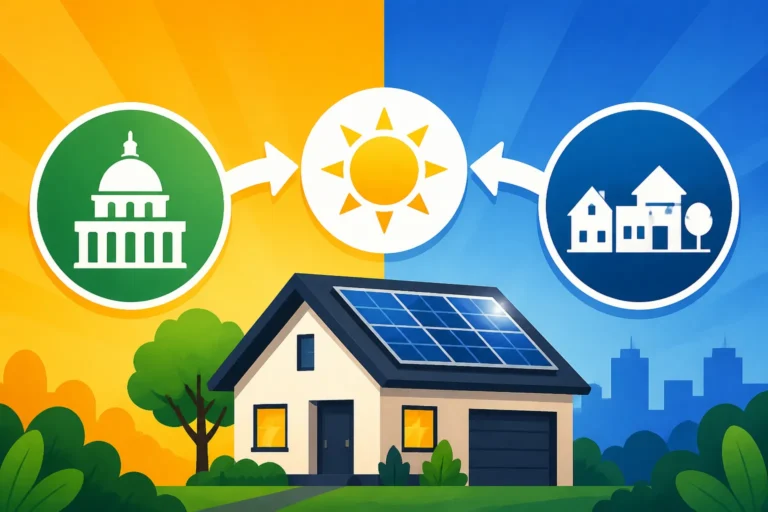
The real magic of solar savings in Michigan comes from layering the various incentives available. As mentioned, the federal solar tax credit is your biggest player, offering a 30% credit against the cost of your system. This is a direct reduction of your tax liability, not a deduction, making it incredibly powerful.
On top of the federal credit, you'll benefit from Michigan's property tax exemption, ensuring your property taxes don't increase, and the statewide sales tax exemption, saving you 6% on the total system cost. Then, if your specific utility, like Consumers Energy or DTE, offers a rebate, that's another direct reduction in your upfront cost.
Let's illustrate with an example:
- System Cost: $25,000
- Federal Solar Tax Credit (30%): $7,500 (reducing your out-of-pocket to $17,500)
- Michigan Sales Tax Exemption (6% of $25,000): $1,500 saved upfront.
- Hypothetical Utility Rebate (e.g., $500 per kW for a 7kW system): $3,500 saved upfront (reducing your out-of-pocket even further).
As you can see, these incentives add up quickly, making the net cost of solar substantially lower than the sticker price. Always ensure your chosen installer factors all applicable incentives into their quotes and helps you understand how to claim them. For homeowners looking to add energy storage, it's also worth noting that Solar Battery Incentives in 2026 can further sweeten the deal.
Finding Reputable Local Installers
Choosing the right solar installer is paramount to a smooth and successful solar journey in Michigan. A good installer won't just put panels on your roof; they'll guide you through the entire process, from system design to navigating incentives and permits. Look for installers with a strong local presence and a proven track record. They should be transparent about pricing, warranties, and estimated savings.
Don't hesitate to get multiple quotes. This allows you to compare system designs, equipment choices (like different solar panels or inverters), warranties, and, of course, the final cost after all incentives are applied. Ask about their experience with your specific utility and their familiarity with Michigan's unique incentive landscape. A reputable installer will be able to clearly articulate how you can benefit from all the programs we've discussed, ensuring you truly maximize your solar savings in the Great Lakes State. You can learn more about how to vet potential installers by checking out How to Choose a Solar Installer.
Here’s a quick overview of Michigan's key solar incentives:
| Incentive Type | Description | Administered By | Key Benefit |
|---|---|---|---|
| Federal Solar Tax Credit (ITC) | A 30% tax credit for the cost of installing a solar energy system on your home. | Federal Government | Direct reduction of federal income tax liability. |
| Net Metering | Credits on your utility bill for excess solar electricity sent back to the grid. | Local Utilities | Reduces or eliminates monthly electricity bills, fair compensation for excess power. |
| Solar Property Tax Exemption | Prevents your property taxes from increasing due to the added value of your solar energy system. | Michigan State | Avoids increased annual property tax burden. |
| Solar Sales Tax Exemption | Exemption from the 6% state sales tax on the purchase and installation of solar equipment. | Michigan State | Reduces upfront system cost significantly. |
| Utility Rebates (e.g., DTE, Consumers Energy) | Specific programs and rebates offered by individual electric utility providers to encourage solar adoption. | Local Utilities | Direct cash rebates or incentives to lower upfront costs. |
Disclaimer
Please remember that incentive programs and policies can change. While we strive to provide the most up-to-date information for 2026, it is always recommended to verify specific details with your local utility provider, a certified solar installer, or a tax professional before making any financial decisions related to solar energy. This guide is for informational purposes only and does not constitute financial or legal advice.