Solar Installation Process in Georgia
Thinking about going solar in Georgia can feel like a maze, full of questions about local regulations, installers, and how it all actually works. Many homeowners get overwhelmed trying to figure out the unique process in the Peach State, worrying about permits, interconnection, and whether solar truly makes sense for their specific home. This comprehensive guide will walk you through every step of the solar installation process in Georgia, from your initial thoughts to flipping the switch and enjoying clean energy.
Navigating the Unique Solar Landscape in Georgia
Georgia's energy scene is a bit different from some other states, and understanding these nuances is crucial before you dive into a solar project. It's not just about sunshine; it's about who generates your power, the policies that govern solar, and the local incentives that can really sweeten the deal.
Georgia's Energy Market and Utility Structures
In Georgia, your electricity typically comes from one of two main sources: Georgia Power, which is an investor-owned utility, or one of the many Electric Membership Corporations (EMCs) scattered across the state. This distinction is incredibly important because each utility has its own set of rules and programs for solar customers. For instance, while Georgia Power has programs like their Simple Solar program which offers a modest fixed rate for excess energy, many EMCs might have different, often less favorable, policies regarding how they credit you for the power your panels send back to the grid. It’s not a one-size-fits-all situation, and what works beautifully for your neighbor served by Georgia Power might be quite different if you're with an EMC like Cobb EMC or Jackson EMC. Before you even think about getting quotes, understanding your utility's specific solar policies is a vital first step, as it directly impacts your potential savings and return on investment.
Many people wonder about traditional net metering. While states like California have undergone significant changes with NEM 3.0, Georgia's approach has often been more limited. For homeowners in Georgia, understanding your utility's export credit or buyback program is critical. For example, Georgia Power's Simple Solar program offers a credit for excess generation, but it's typically at an avoided-cost rate, which is usually lower than the retail rate you pay for electricity. This means you might not get dollar-for-dollar credit for the energy you send back. Some EMCs might offer similar programs, while others might not offer much at all, making battery storage a more attractive option to maximize self-consumption. This patchwork of policies is why getting an installer who understands the local landscape is paramount.
Key State and Local Incentives for Georgia Homeowners
While the federal solar tax credit has been a significant driver nationwide (and you can still claim it!), Georgia also offers some localized programs that can make solar even more affordable. Unlike some states with robust state tax credits or aggressive rebate programs, Georgia's state-level incentives are often more modest, focusing on property tax exemptions rather than direct cash rebates. However, don't overlook these! A solar property tax exemption means that while your home's value might increase due to solar panels, that increased value won't lead to higher property taxes, saving you money year after year. It's not a flashy upfront discount, but it adds up over the lifespan of your system. You can explore a comprehensive list of what’s available in the guide to State Solar Incentives: Complete 2026 Guide.
Beyond property tax exemptions, some local municipalities or specific utilities might offer their own, smaller-scale incentives. These are often harder to track down and might be short-lived, so staying informed is key. For example, a small rebate program might pop up from your local utility, or a city might offer a grant for energy-efficient home improvements that could include solar. This is where working with a knowledgeable local installer or using a platform like Modernize that connects you with vetted contractors can be incredibly helpful. They often have the most up-to-date information on these hyper-local opportunities. It’s always worth asking about Utility Solar Rebates: How to Find Yours early in your research.
Understanding Your Home's Solar Potential in the Peach State
Not every roof is created equal when it comes to solar power, even in a sunny state like Georgia. The amount of sunlight your roof receives, its angle, and any potential shading are huge factors. Ideally, a south-facing roof with a pitch between 30 and 45 degrees receives the most direct sunlight throughout the day. However, even east or west-facing roofs can be perfectly viable, especially with modern panel technology. What truly matters is minimizing shade from trees, chimneys, or neighboring buildings, particularly during the peak production hours of 10 AM to 4 PM. A professional site assessment, which is one of the first steps in the installation process, will accurately measure your home's solar potential.
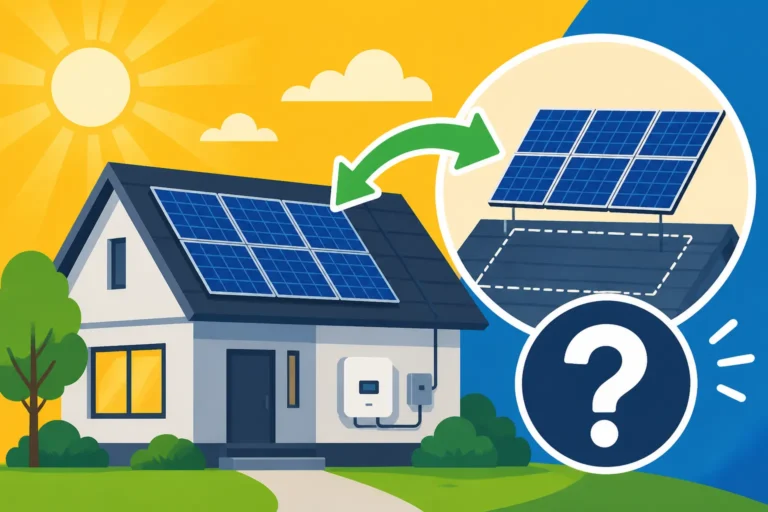
Beyond the sun exposure, the condition and age of your roof are critical considerations. Solar panels are a long-term investment, typically lasting 25-30 years. If your roof is nearing the end of its life, it almost always makes sense to replace it before installing solar. This prevents the costly and inconvenient process of removing and reinstalling your panels just a few years down the line. Additionally, your roof must be structurally sound enough to support the weight of the panels. Most modern roofs can, but older homes or those with unique construction might require a structural engineer's assessment. Knowing Can My Roof Hold Solar Panels? is a key question to answer early on.
The Step-by-Step Georgia Solar Installation Journey
Once you've done your initial research and feel good about your home's potential, it's time to dive into the actual process. It can seem like a lot of moving parts, but breaking it down into manageable steps makes it much less daunting.
Initial Consultation and Site Assessment Specific to Georgia
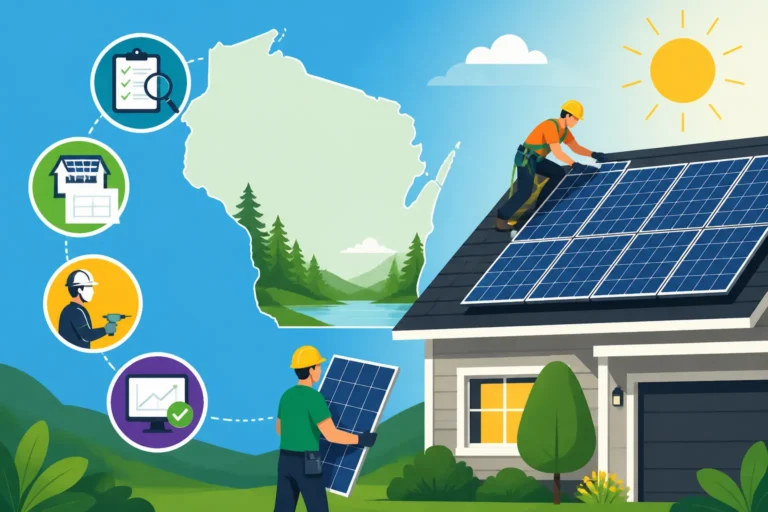
The first real step in your solar journey is usually an initial consultation. This is where you'll typically connect with a solar installer, often through a platform like Modernize, who will send a representative to your home (or conduct a virtual assessment). During this meeting, they'll gather information about your energy consumption, often by looking at your past electricity bills. This helps them understand how much power you currently use and, therefore, how large a solar system you’ll need to offset your usage. They'll also discuss your goals – are you looking for maximum savings, energy independence, or just a lower carbon footprint? This information helps them tailor a system to your needs.
Following this, a more detailed site assessment will take place. This might involve an installer physically getting on your roof (if safe and accessible) or using advanced drone technology and satellite imagery to map your roof's dimensions, pitch, and orientation. They'll also carefully analyze shading patterns throughout the year to ensure the system is optimized for your specific conditions. Crucially for Georgia homeowners, they'll verify your utility provider and research their specific interconnection rules and any available local incentives. This detailed assessment allows them to design a precise system and give you an accurate quote for the Solar Panel Cost by System Size (kW).
Design, Permitting, and Local Approvals
Once the site assessment is complete and you’ve agreed on a system design, your installer will move into the design phase. This involves creating detailed blueprints for your solar array, specifying the number and type of panels, inverters (like Enphase microinverters or SolarEdge optimizers), racking, and electrical components. The design will be tailored to maximize energy production while also considering aesthetics and any local zoning restrictions. They’ll show you exactly how many panels you’ll need for your home and where they will be placed, addressing questions like How Many Solar Panels Do I Need for My Home?.
After the design is finalized, the permitting process begins. This is often the longest and most bureaucratic part of going solar in Georgia. Your installer will submit the detailed plans to your local city or county building department for review and approval. Permit requirements can vary significantly even within Georgia – what's needed in Atlanta might be different from Savannah or Augusta. The application package typically includes electrical diagrams, structural calculations, and a site plan. Navigating these local codes and ensuring all necessary paperwork is correctly filed is where a good installer truly shines. They handle the back-and-forth with local authorities, addressing any revisions or additional information requested, which helps streamline the process significantly. This phase also includes applying for interconnection approval with your utility company, which is essentially their permission for your solar system to connect to their grid.
The Physical Installation and System Activation
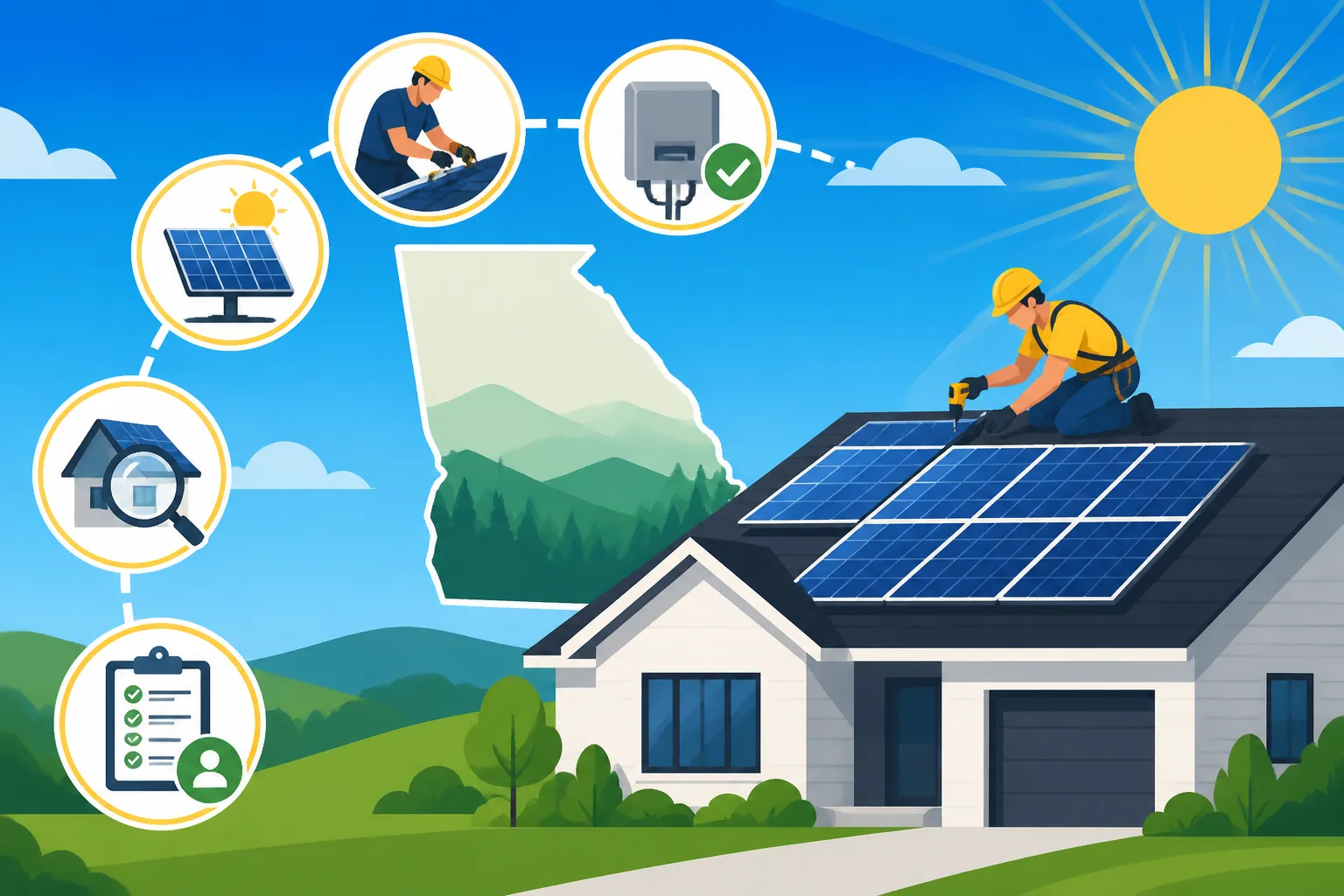
With all permits and approvals in hand, the exciting part begins: the physical installation. This phase typically starts with the installation of the racking system on your roof, which provides the framework for the panels. Next, the solar panels themselves are carefully mounted onto the racking. After the panels are in place, the electrical work commences, involving the installation of inverters, wiring, and connecting the system to your home's main electrical panel. A typical residential installation usually takes 1-3 days, depending on the system size and complexity. For a better idea of the overall timeline, check out our guide on the Solar Installation Timeline: What to Expect.
Once the physical installation is complete, a series of inspections will occur. First, your local building department will conduct a final inspection to ensure the system was installed according to the approved plans and local building codes. Then, your utility company will perform its own inspection to verify that the system meets their safety and interconnection standards. Only after both of these inspections pass will you receive "Permission to Operate" (PTO). This is the green light that allows your system to be officially switched on and begin generating electricity. The utility will often replace your existing meter with a new net meter, which can accurately track both the electricity you consume from the grid and the excess electricity your panels send back to it, impacting your future electricity bills.
Post-Installation: What to Expect and How to Maximize Savings
Getting your solar panels installed and turned on is a huge milestone, but your journey with solar doesn't end there. Understanding how to monitor your system, maintain it, and adapt to potential changes in energy policy will help you maximize your long-term savings and enjoy consistent performance.
Monitoring Your System's Performance in Georgia's Climate
Modern solar systems come with sophisticated monitoring platforms, usually accessible via a smartphone app or a web portal. These systems allow you to track your panels' electricity production in real-time, see historical data, and even identify potential issues. For instance, you might notice a dip in production on a particularly cloudy week in Georgia, or perhaps one panel is underperforming due to a shading issue that wasn't fully apparent. These monitoring tools are invaluable for ensuring your system is always operating at peak efficiency. Most reputable installers will set this up for you and provide a walkthrough on how to use it. If you ever have a concern about production, the monitoring data is the first place to look.
Staying on top of your system's performance also involves understanding what to expect throughout the year. Georgia experiences distinct seasons, with long, hot summers and milder winters. Your solar production will naturally be higher in the summer months when days are longer and the sun is more intense. While panels can still produce electricity on cloudy days, their output will be reduced. Over time, all solar panels experience a slight decrease in efficiency, known as degradation, but this is usually a very gradual process covered by your warranty. Knowing your system's average expected output for different times of the year can help you gauge if it's performing as it should.
Maintenance and Longevity for Your Georgia Solar Panels
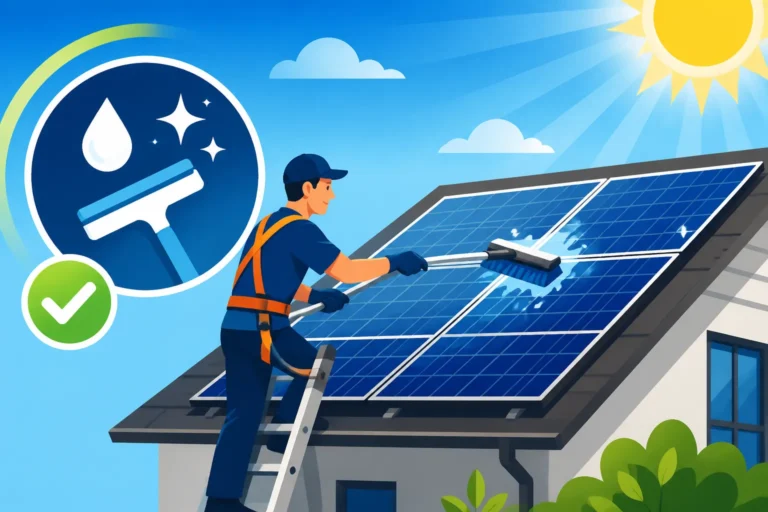
One of the great things about solar panels is their minimal maintenance requirements. They don't have moving parts, and they're designed to withstand harsh weather conditions. However, a little care can go a long way in ensuring their longevity and efficiency. The primary maintenance task is occasional cleaning. In Georgia, pollen, dust, and leaves can accumulate on the panels, reducing their ability to absorb sunlight. While rain often does a decent job of washing them off, a thorough cleaning once or twice a year can boost performance. You can often do this yourself with a hose and a soft brush, or hire a professional cleaning service if you're uncomfortable on a ladder. For more details, refer to Solar Panel Maintenance & Cleaning.
Beyond cleaning, regular visual inspections can help catch potential issues early. Look for any damaged wiring, loose components, or signs of pest activity (birds or squirrels sometimes nest under panels and chew on wires). Your inverter, which converts DC power from your panels to AC power for your home, also has a lifespan, usually 10-15 years for string inverters and often longer for microinverters like those from Enphase. While most systems come with excellent warranties covering equipment and performance, knowing the signs of potential issues can help you proactively address them with your installer. A high-quality installation from a reputable company found through a service like Modernize will typically include comprehensive warranties for both components and workmanship, giving you peace of mind.
Adapting to Evolving Grid Policies
The regulatory landscape for solar power is constantly evolving, and Georgia is no exception. Policies like net metering can change over time, impacting how much you save by sending excess power back to the grid. While full retail net metering is not widespread in Georgia, and many utilities offer avoided-cost rates, it's crucial to stay informed about any potential changes to your utility's solar programs. What works today might be slightly different five or ten years down the road. For example, if your utility shifts to a more complex time-of-use rate structure, where electricity is more expensive during peak evening hours, having a solar battery could become even more beneficial to store solar power generated during the day and use it when grid electricity is priciest. Learning about different state approaches to this topic in Net Metering Explained: How It Works by State can provide valuable context.
This evolving landscape is precisely why it's important to choose an installer that offers robust support and stays current with local regulations. They can advise you on how policy changes might affect your system and what options you might have, such as adding battery storage. Even if current policies aren't ideal, the long-term trend is towards more widespread solar adoption, and technologies continue to improve, making solar a resilient investment. Ultimately, generating your own power insulates you from rising utility rates and grid instability, offering a level of energy independence that's hard to beat.
| Step | Description | Typical Duration (Approx.) | Key Considerations in Georgia |
|---|---|---|---|
| 1. Initial Consultation | Discuss energy needs, financial goals, and preliminary system design. | 1-2 hours | Verify utility provider (Georgia Power vs. EMCs) and their specific solar programs/buyback rates. |
| 2. Site Assessment | Detailed analysis of roof structure, shading, orientation, and electrical panel. | 1-4 hours | Assess roof age and condition; consider local tree ordinances if shading is an issue. |
| 3. Design & Proposal | Custom solar system design, energy production estimates, cost breakdown, and financing options. | 1-2 weeks | Ensure design accounts for specific utility interconnection rules; review property tax exemptions. |
| 4. Permitting & Interconnection | Installer submits plans to local building department and utility company for approval. | 4-12 weeks (highly variable) | Local municipal permit requirements can differ widely; utility interconnection (PTO) approval is critical before activation. |
| 5. Equipment Procurement | Solar panels, inverters, racking, and other components are ordered and delivered. | 1-4 weeks | Supply chain issues can sometimes impact timelines; confirm component availability. |
| 6. Installation | Physical mounting of panels, electrical wiring, and system setup. | 1-3 days | Ensure installer is licensed and insured in Georgia; confirm adherence to local building codes. |
| 7. Inspections & PTO | Local building inspection, utility inspection, and final Permission to Operate (PTO) granted by the utility. | 1-4 weeks | Crucial step – system cannot be turned on until PTO is received. Utility will swap out meters. |
| 8. System Activation | Your solar system is turned on, starts generating electricity, and begins reducing your utility bills. | Immediate after PTO | Begin monitoring your system's performance; understand how your utility credits excess generation. |
Disclaimer
The information provided in this guide is intended for general informational purposes only and does not constitute professional advice. Solar policies, incentives, and regulations can change frequently and vary significantly by location and utility provider. Always consult with a qualified solar professional and relevant local authorities to get the most accurate and up-to-date information for your specific situation in Georgia.