Solar Installation Process in Ohio
Thinking about going solar in Ohio can feel like navigating a maze. From understanding what kind of sunshine your roof really gets to figuring out who's going to put those panels up there, the whole journey can seem overwhelming and shrouded in mystery. This guide aims to clear up that confusion, offering a realistic, step-by-step walkthrough of what you can expect during the solar panel installation process right here in the Buckeye State.
The Initial Spark: Deciding on Solar in Ohio
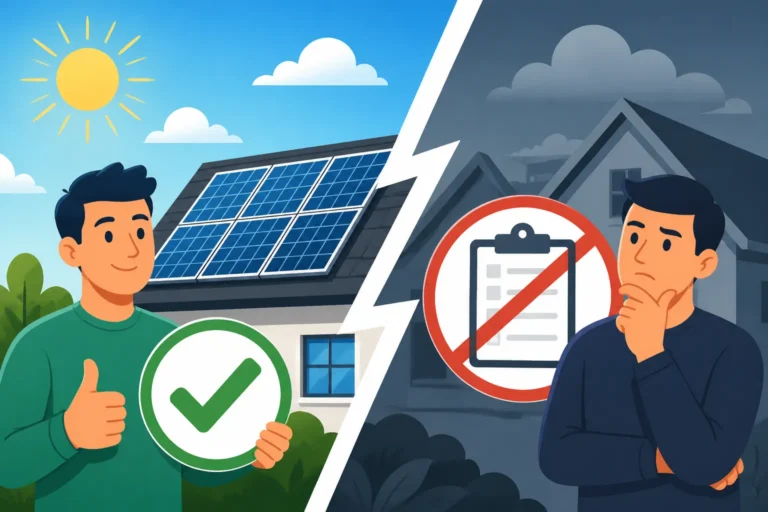
Before any panels ever touch your roof, there's a crucial discovery phase. This isn't just about dreaming of lower electricity bills; it's about making sure solar truly makes sense for your specific Ohio home and lifestyle. It’s easy to get excited, but taking the time to understand these initial considerations will save you headaches (and potential regret) down the road.
Assessing Your Home's Solar Potential
One of the first things you'll need to figure out is whether your home is even a good candidate for solar. Not every roof is created equal, especially with Ohio's varied weather patterns. You might have a beautifully shaded yard, which is great for summer comfort, but not so much for solar production.
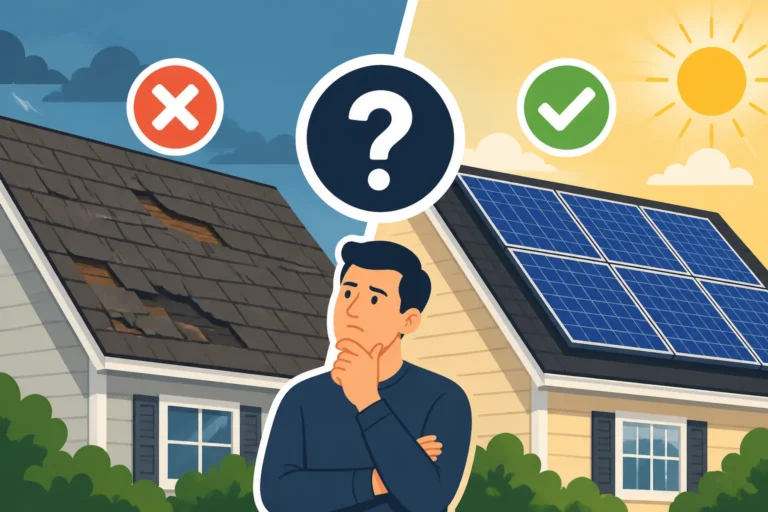
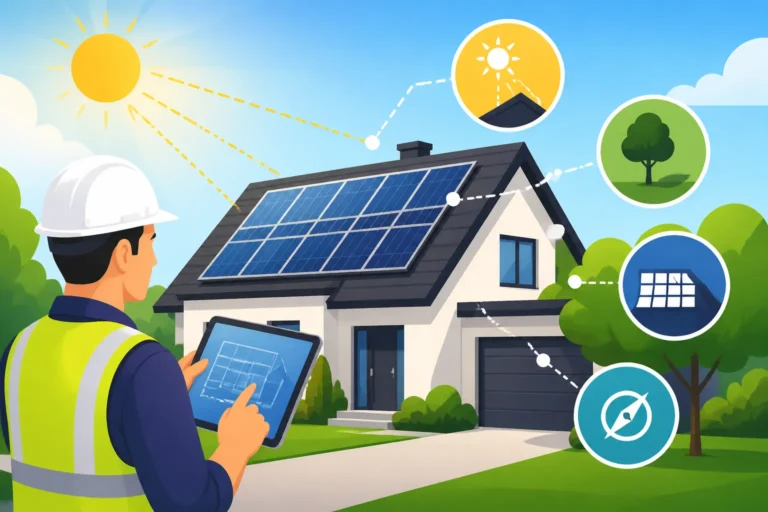
For instance, if your house in Columbus is surrounded by mature oak trees, you might find that your roof doesn't get enough direct sunlight for a system to be cost-effective. Installers will typically conduct a detailed site survey to assess factors like roof orientation (south-facing is usually best), pitch, and shading from trees or neighboring buildings. They'll also check your roof's condition – nobody wants to install brand new solar panels on a roof that needs to be replaced in a couple of years. If your roof is older than 10-15 years, it might be a good idea to consider replacing it before going solar. This upfront investment ensures your panels have a stable foundation for their 25+ year lifespan, avoiding the costly process of removing and reinstalling them later. You can learn more about Roof Considerations for Solar Panels to help you determine if your home is ready.
Understanding Your Energy Needs and Goals
Before you can size a system, you need to understand how much electricity you actually use. Dig out those old utility bills! Most solar companies will ask for at least 12 months of electricity usage data. This helps them design a system that can offset a significant portion, or even all, of your consumption. If you're a high-energy user in, say, Cincinnati with a large family and central air conditioning running constantly, you'll need a much larger system than a single person living in a small apartment in Cleveland.
Your personal goals also play a huge role. Are you looking to eliminate your electricity bill entirely? Do you want backup power in case of outages? Or are you simply trying to reduce your carbon footprint and save some money over the long term? If backup power is a priority, then integrating a solar battery system, like a Tesla Powerwall or Enphase IQ Battery, will be a key part of your discussion, adding to the initial cost but providing valuable resilience. This conversation about your current usage and future goals will directly influence the recommended size and components of your solar array.
Ohio Solar Installation: A Step-by-Step Breakdown
Once you've decided solar is right for you, the real fun (and logistics) begin. This phase involves a series of coordinated steps, often managed by your chosen solar installer. While timelines can vary, understanding each stage will help you set realistic expectations.
Choosing Your Solar Partner and System Design
Selecting the right solar installer is paramount. This isn't just about who gives you the lowest quote; it's about finding a reputable company that understands Ohio’s specific regulations and climate. Look for installers with strong local references, proper certifications (like NABCEP), and clear communication. You might start by requesting quotes through platforms like Modernize, which can connect you with pre-screened local solar companies in areas like Dayton or Toledo. When you receive quotes, don't just compare the bottom line; dive into the details of the equipment being offered (panel brands, inverter types), warranties, and estimated production.
Once you’ve picked an installer, their team will finalize your system design. This typically involves detailed engineering plans that specify the number and placement of panels, the type of inverter (string, microinverters, or power optimizers), and the wiring schematics. They'll consider your roof's load capacity, electrical panel capacity, and any local zoning ordinances. For example, if you live in a historic district in German Village in Columbus, there might be specific aesthetic guidelines for solar installations that influence panel placement or even color. This design phase is where all the technical details are hammered out to ensure optimal performance and safety.
Procurement, Permitting, and Scheduling
With the design finalized, your installer will handle the procurement of all the necessary equipment – the solar panels themselves, inverters, racking, wiring, and any optional batteries. This step also involves the often-dreaded permitting process. In Ohio, local permitting requirements can vary significantly from one municipality to another. A company installing solar in Parma might have a different set of hoops to jump through than one in Athens. Your installer will submit the detailed plans to your local building department, which will review them for structural integrity, electrical safety, and compliance with local codes.
Simultaneously, your installer will initiate the interconnection application with your utility company. Major Ohio utilities like AEP Ohio, Duke Energy Ohio, and AES Ohio (formerly Dayton Power & Light) each have their own specific application processes for connecting a new solar system to their grid. This application outlines how your system will operate with the existing electrical infrastructure and is a critical step for enabling net metering or other compensation mechanisms. This stage can often be the longest, with approval times ranging from a few weeks to several months depending on the municipality and utility. It’s why understanding the Solar Installation Timeline: What to Expect is so important.
The Physical Installation
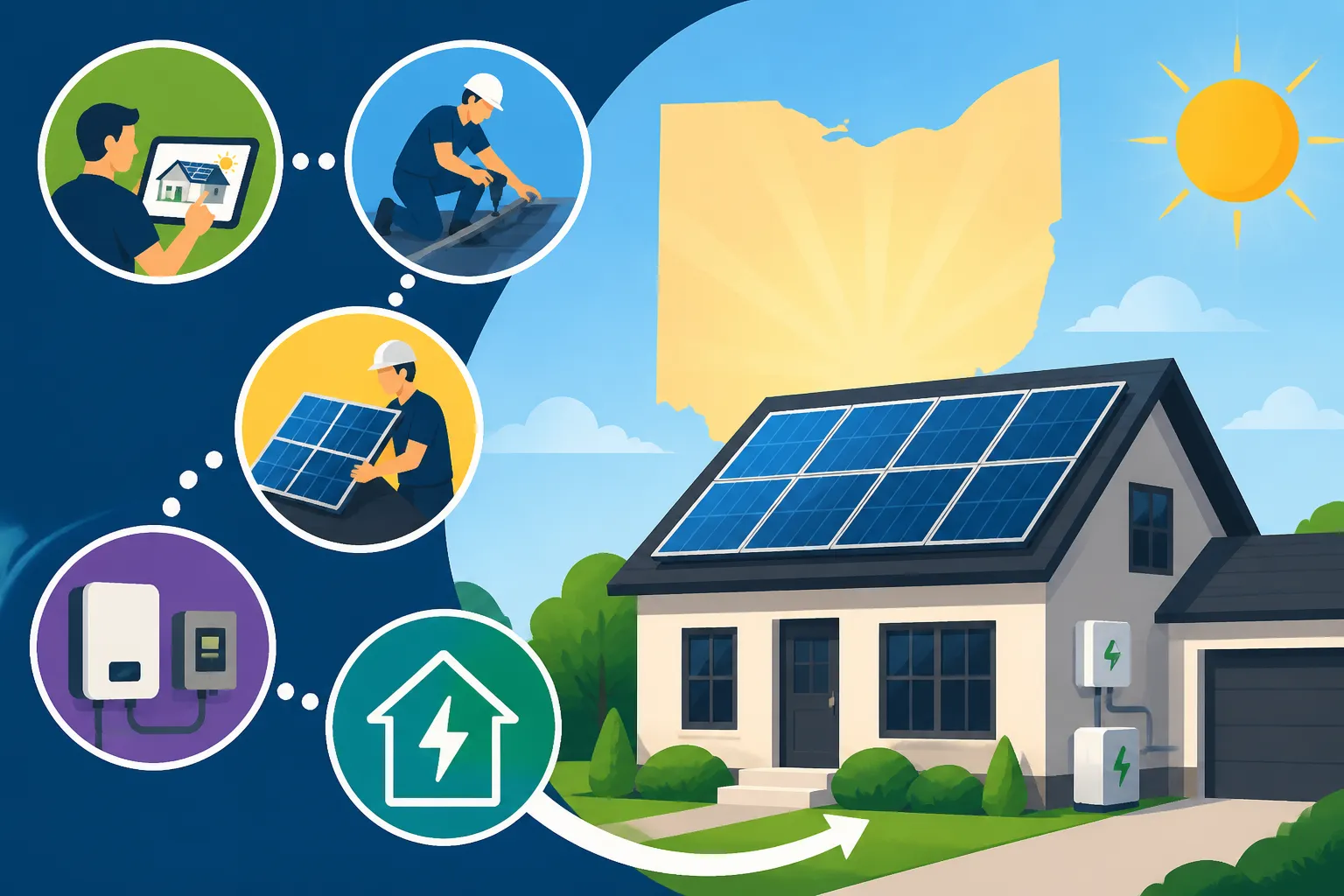
Finally, the day arrives for the physical installation! This is usually the quickest part of the entire process, often completed within 1 to 3 days for a typical residential system, though larger or more complex systems might take longer.
Here's a general overview of what happens:
- Safety First: The installation crew will arrive, set up safety equipment, and secure the work area.
- Racking Installation: They'll install the racking system directly onto your roof. This typically involves attaching mounting brackets to your roof rafters and sealing them to prevent leaks. The rails are then attached to these mounts, forming the framework for your panels.
- Electrical Wiring: Conduit will be run from the roof to your inverter location (often on an exterior wall or in your garage) and then to your main electrical panel. All necessary wiring, including grounding, will be carefully installed by licensed electricians.
- Panel Placement: The solar panels are carefully lifted onto the roof and secured to the racking system. Each panel is then wired to its inverter or microinverter, depending on your system design.
- Inverter and System Commissioning: The inverter(s) are installed and connected to the array and your home's electrical system. The technicians will perform initial tests to ensure everything is wired correctly and functioning as expected.
Throughout this process, a good installer will keep you informed and address any questions you have. Seeing the panels go up is an exciting milestone! You can read a more detailed breakdown in How Are Solar Panels Installed? Step by Step.
Navigating Ohio's Permitting and Power Grid
Ohio has a diverse landscape, both geographically and in terms of its regulatory environment for solar. Understanding how permitting and interconnection work in the state is crucial, as it directly impacts when you can start generating power and receiving credit for it.
Local Permitting and Inspections
As mentioned, local building departments in Ohio are responsible for issuing permits and conducting inspections. This means that while the general steps are similar, the specific requirements and wait times can vary widely. For instance, getting a permit in a bustling city like Cleveland might take longer due to a higher volume of applications, compared to a smaller town in rural Ohio.
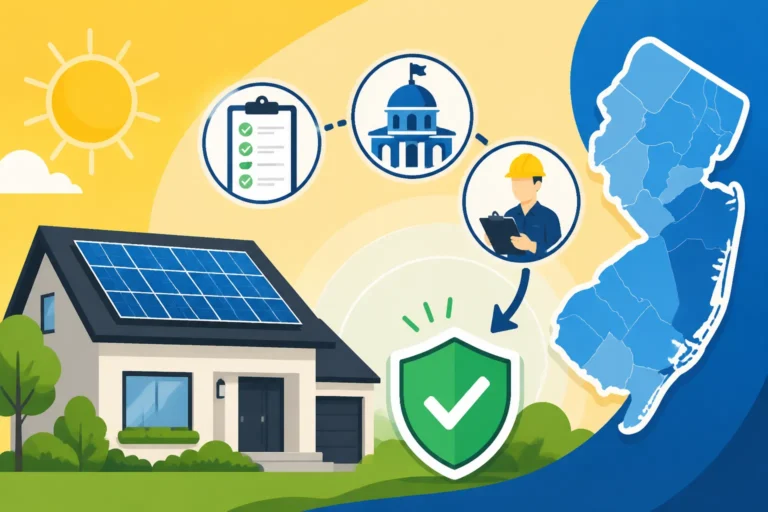
After the physical installation is complete, your local building department will send an inspector to verify that the system was installed according to the approved plans and complies with all local building and electrical codes. They’ll check things like wiring, mounting integrity, and safety shutoffs. This inspection is a critical step; without passing it, you won't get the green light to connect to the grid. Your solar installer should coordinate all these inspections and handle any necessary adjustments if minor issues are found.
Utility Interconnection and Permission to Operate (PTO)
Once your local inspection is passed, the next major hurdle is getting the official go-ahead from your utility company. This is called Permission to Operate, or PTO. Your installer will notify your utility that the system has passed local inspections and is ready for interconnection. The utility will then send their own representative to perform a final check, ensuring that the system meets their specific technical requirements and that the net meter (a special meter that measures both the electricity you consume from and send back to the grid) is properly installed and configured.
Ohio's major utilities, including AEP Ohio, Duke Energy Ohio, and AES Ohio, all have established interconnection processes. While Ohio is not a full retail net metering state, most utilities offer some form of net metering or an "avoided cost" credit for excess solar energy sent back to the grid. Understanding your specific utility's policy is vital, as it directly impacts your long-term savings. For instance, some utilities might offer a credit close to the retail rate, while others might compensate you at a lower wholesale rate. This is where researching Net Metering Explained: How It Works by State becomes very useful. Once the utility gives you PTO, you can finally flip the switch and start generating your own clean electricity!
Here's a simplified breakdown of key steps and typical durations:
| Installation Stage | Typical Duration (Ohio) | Key Actions | Responsible Party |
|---|---|---|---|
| Site Assessment & Design | 1-3 weeks | Energy audit, roof assessment, system sizing, custom design | Installer, Homeowner |
| Contract & Financing | 1-2 weeks | Sign agreements, secure financing (loan, cash) | Homeowner, Installer, Lender |
| Permitting & Utility Approval | 4-12 weeks | Local building permits, utility interconnection application, engineering reviews | Installer |
| Equipment Procurement | 2-6 weeks | Ordering and receiving solar panels, inverters, racking | Installer |
| Physical Installation | 1-3 days | Mounting racking, installing panels, electrical wiring | Installer Crew |
| Local Inspections | 1-2 weeks | City/county electrical and building inspections | Local Authority, Installer |
| Utility Interconnection (PTO) | 2-4 weeks | Utility final inspection, net meter installation, Permission to Operate | Utility, Installer |
| System Activation | Immediate | Flip the switch, begin producing solar power | Homeowner, Installer |
Note: These durations are estimates and can vary based on local jurisdiction, utility backlog, and installer efficiency.
Life After Installation: Monitoring and Maintenance
Congratulations, you're solar-powered! But the journey doesn't end when the switch is flipped. Ongoing monitoring and occasional maintenance are key to ensuring your system performs optimally and provides maximum savings for decades to come.
Monitoring Your Solar System's Performance
Modern solar systems come with sophisticated monitoring capabilities, usually accessible via a smartphone app or online portal. Companies like Enphase and SolarEdge provide detailed data on your system's daily, weekly, and monthly production. You can see how much electricity each individual panel is generating, identify any underperforming panels, and track your overall energy offset. This allows you to truly understand your Solar ROI & 25-Year Savings Breakdown.
It's a good habit to check your monitoring system regularly. For example, if you notice a sudden drop in production on a sunny day in Akron, it could indicate a shading issue that wasn't there before (perhaps a tree grew unexpectedly) or even a technical problem with a specific panel or microinverter. Your installer often provides initial training on how to use these monitoring tools, and many also offer remote monitoring services where they keep an eye on your system for you. This proactive approach helps catch minor issues before they become major problems that impact your savings.
Routine Maintenance and Troubleshooting
Compared to many other home improvements, solar panel systems require remarkably little maintenance. The panels themselves are designed to be durable and self-cleaning to a certain extent, especially with Ohio’s regular rainfall. However, occasional cleaning might be beneficial, particularly if you live in an area with a lot of dust, pollen, or bird activity. A gentle rinse with a hose from the ground is often sufficient; professional cleaning is usually only needed every few years or if there's significant buildup.
Beyond cleaning, it’s wise to have your system professionally inspected every few years. This check-up can ensure all electrical connections are secure, detect any potential wiring issues, and confirm that your inverter is functioning correctly. Your installer's warranty often covers major component failures, but knowing what to look for can help you identify issues sooner. For example, if you notice your electricity bills creeping up unexpectedly despite normal usage, and your monitoring system shows reduced production, it's definitely time to call your installer for a diagnostic check. Many installers, like those you might find through Modernize, offer service plans or can schedule routine maintenance for you.
Disclaimer
The information provided in this guide is intended for general informational purposes only and does not constitute professional advice. Solar system costs, savings, incentives, and regulations can vary significantly based on your specific location in Ohio, utility provider, system size, and individual energy consumption. Always consult with a qualified solar professional and financial advisor to determine the best solution for your individual circumstances.