Solar Installation Process in Pennsylvania
Embarking on the journey to power your home with solar energy in Pennsylvania can feel like navigating a complex maze of permits, policies, and prices. Many homeowners feel overwhelmed by the sheer number of steps involved, from simply figuring out if their roof is even suitable to understanding the specifics of local utility agreements. This comprehensive guide will demystify the solar installation process in the Keystone State, breaking down each phase into manageable steps and empowering you with the knowledge to go solar with confidence.
Understanding Pennsylvania's Unique Solar Landscape
Pennsylvania offers a unique environment for solar energy, blending a robust demand for renewable power with a patchwork of regulations that homeowners need to understand. While it might not boast the same aggressive statewide incentives as some coastal states, its commitment to renewable energy, particularly through its Alternative Energy Portfolio Standard, provides a solid foundation for homeowners looking to make the switch.
State-Specific Regulations and Policies
Pennsylvania's energy landscape is primarily shaped by its Alternative Energy Portfolio Standard (AEPS), which mandates that a certain percentage of electricity sold by utilities must come from alternative energy sources, including solar. This crucial policy is the backbone of the state's Solar Renewable Energy Credit (SREC) market, which we'll dive into more deeply later. Essentially, when your solar panels generate electricity, you earn SRECs, which can then be sold for additional income. This mechanism is a significant financial driver for solar adoption in the state.
Beyond SRECs, it's vital to recognize that Pennsylvania doesn't have a single, statewide net metering mandate that guarantees full retail rate compensation for excess solar electricity exported to the grid for all utilities. While the Pennsylvania Public Utility Commission (PUC) oversees utility operations and aims to ensure fair practices, the specifics of how you're credited for your surplus energy can vary significantly depending on your local utility provider. This variation means that understanding your utility's specific policy isn't just a good idea; it's absolutely critical to accurately project your savings and system's financial viability.
Key Local Utility Differences
The solar experience in Pennsylvania can dramatically shift depending on whether you're a customer of PECO, PPL Electric Utilities, Duquesne Light, Met-Ed, West Penn Power, or one of the smaller cooperative or municipal utilities. Each of these providers has its own set of rules regarding interconnection agreements, net metering, or specific solar buyback programs. For instance, some utilities might offer close to full retail credit for excess generation, while others might compensate at a lower "avoided-cost rate," which significantly impacts your overall savings.
For example, a homeowner in Philadelphia served by PECO might find different compensation rates or processes than someone in Pittsburgh under Duquesne Light. These differences can affect the ideal size of your system, whether a battery storage solution makes more sense, and ultimately, your return on investment. Before you even start looking at panels, a crucial early step is to investigate your specific utility's net metering or export credit policies. This information will be paramount in determining your system's design and financial projections.
The Step-by-Step Solar Installation Journey in Pennsylvania
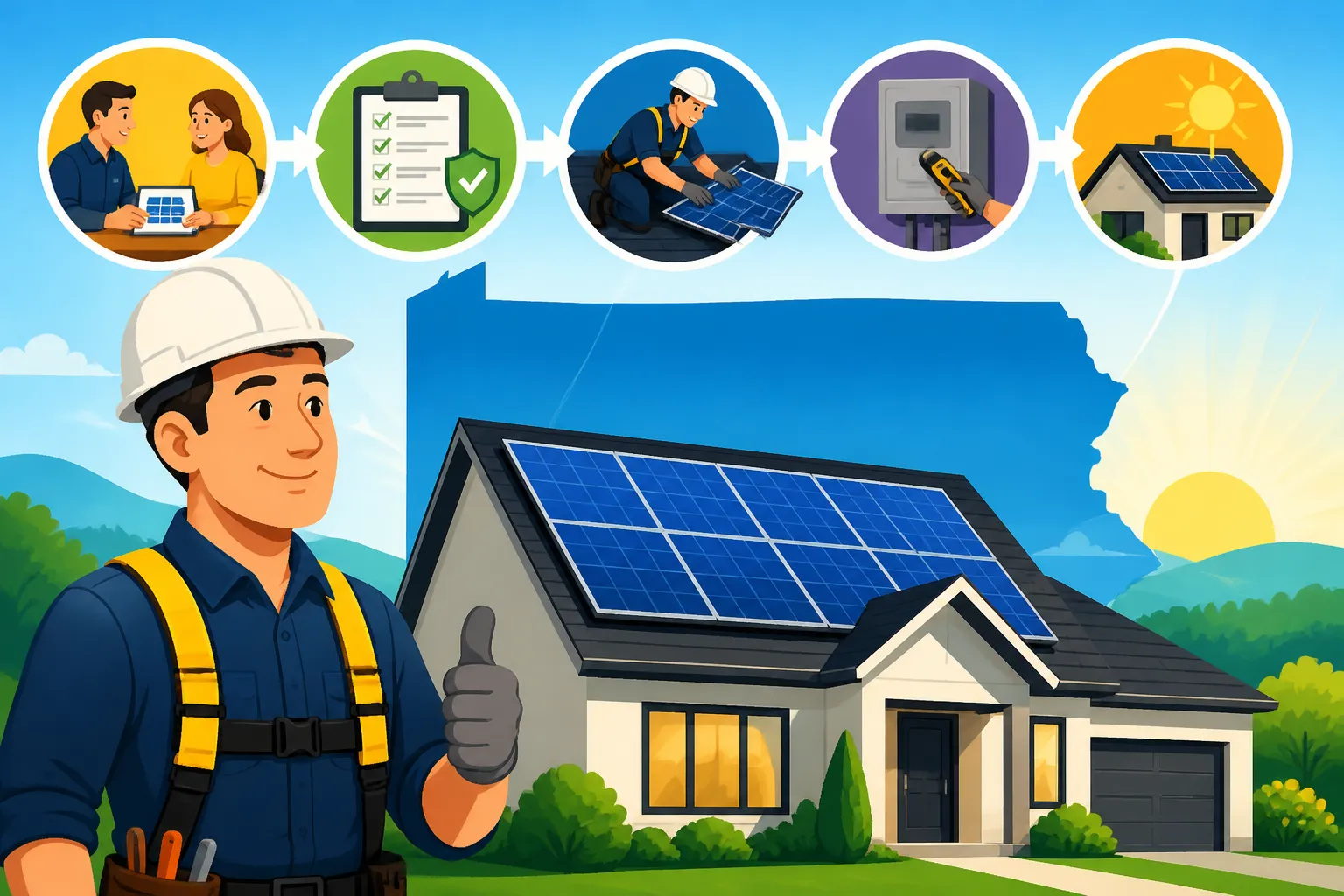
Going solar is a multi-stage process, and while the exact timeline can vary, the core steps remain consistent. Understanding these stages will help you set realistic expectations and know what to anticipate from your chosen solar installer.
Initial Consultation and Site Assessment
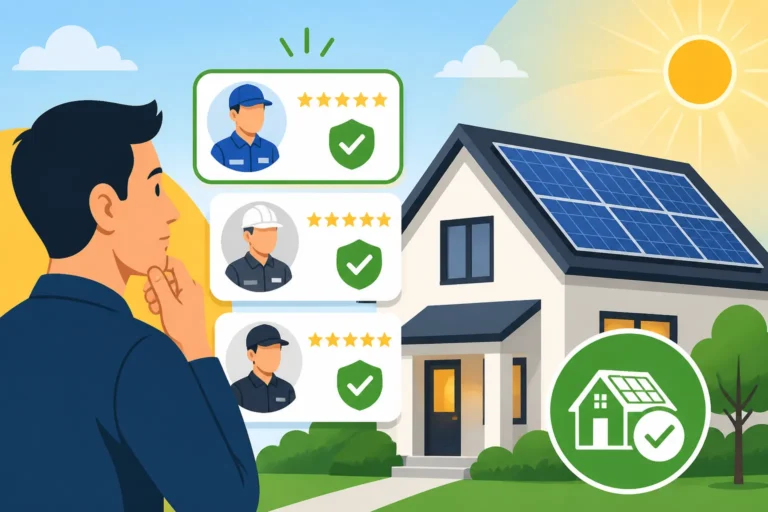
The journey typically begins with an initial consultation, often a virtual meeting or phone call, where you discuss your current electricity usage, energy goals, and budget with a solar professional. This is a great time to ask all your burning questions and gauge the installer's expertise. Platforms like Modernize can be incredibly helpful here, connecting you with multiple reputable installers in your area so you can compare proposals and find the best fit for your needs.
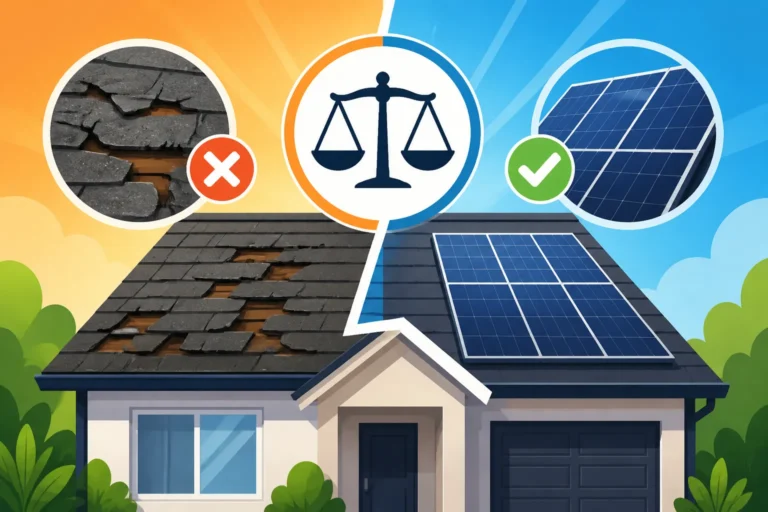
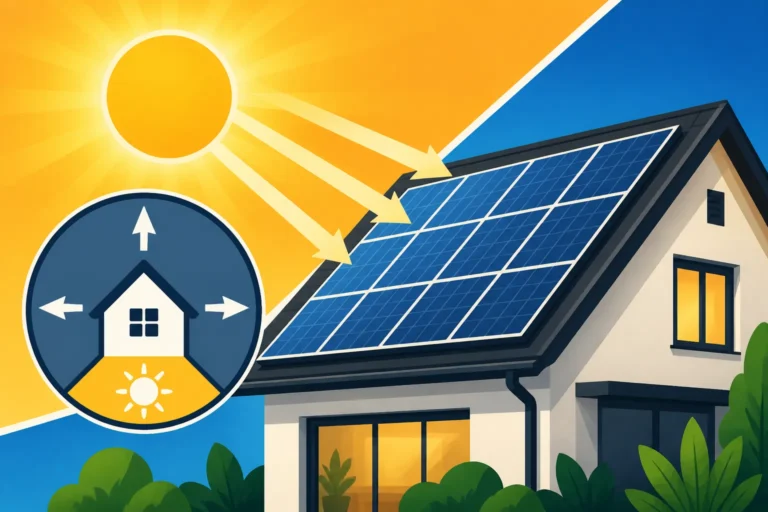
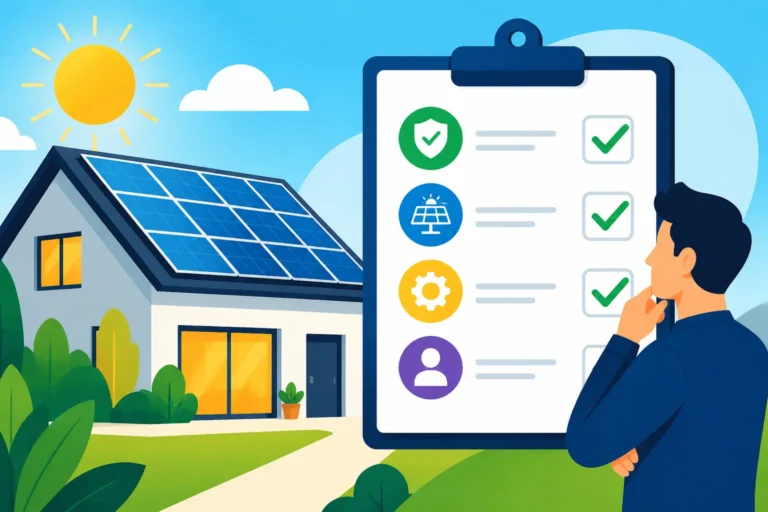
Following the initial discussion, a detailed site assessment will be scheduled. This isn't just a quick look at your roof; it's a comprehensive evaluation. Installers will assess the age and condition of your roof, its orientation (south-facing is generally ideal for maximum sun exposure), and any potential shading from trees or nearby structures throughout the day and across seasons. They'll also check your electrical panel to ensure it can handle the new solar system. Beyond the roof, they'll evaluate your property for potential ground-mount options if a roof installation isn isn't feasible or desired. This assessment is crucial for designing a system that maximizes energy production and fits seamlessly with your home's existing infrastructure.
Design, Permitting, and Interconnection Applications
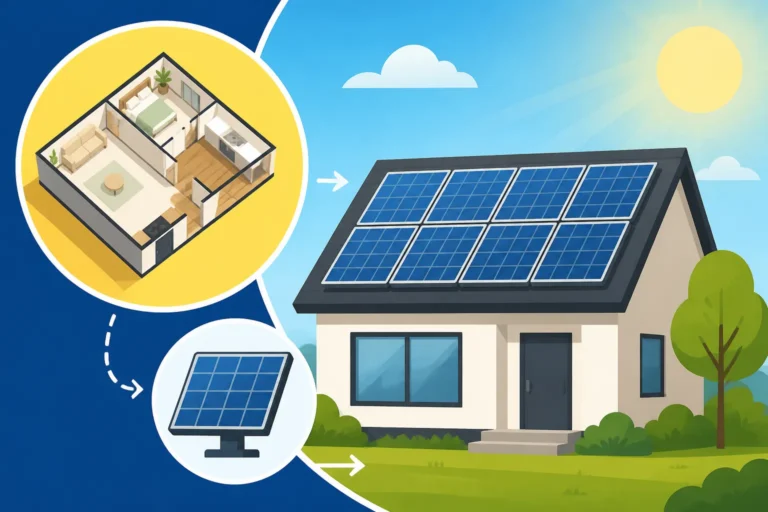
Once the site assessment is complete and you've decided to move forward, the real engineering begins. Your chosen installer will design a custom solar energy system tailored to your specific energy needs and roof characteristics. This design phase involves determining the number and type of solar panels, the inverter technology (string inverters, microinverters, or power optimizers), and whether a solar battery makes sense for your energy goals, especially given Pennsylvania's varying net metering rules. A detailed design will outline the panel layout, wiring diagrams, and equipment specifications.
After the design is finalized, your installer will tackle the complex world of permitting. This involves securing both state electrical permits and local building permits from your city or county. Depending on where you live in Pennsylvania – be it a bustling city like Pittsburgh, a historic borough like West Chester, or a rural township – the specific requirements and timelines can vary significantly. Some municipalities might have faster processes, while others might require more detailed architectural plans or multiple rounds of review. Your installer will handle all the paperwork and ensure the design complies with local codes and safety standards. This can often be the longest part of the entire process, so patience is key.
Concurrently, your installer will submit an interconnection application to your local utility company. This application formally requests permission to connect your new solar system to the grid. The utility will review your system's design to ensure it meets their technical and safety standards and won't negatively impact the grid. They'll confirm how your excess solar electricity will be handled and compensated. Obtaining Permission to Operate (PTO) from the utility is the final green light before your system can be fully activated.
Installation Day and System Activation
With all permits approved and interconnection agreements in place, it's time for the physical installation! This is often the quickest part of the process, typically taking anywhere from one to several days, depending on the size and complexity of your system. A professional installation crew will arrive on-site to mount the racking system to your roof, securely attach the solar panels, install the inverters, and complete all necessary electrical wiring. They'll ensure everything is done safely and according to code. While the installation is underway, it’s normal to hear some noise, but reputable installers will strive to minimize disruption.
Once the physical installation is complete, your system will undergo a series of inspections. First, a local building inspector will verify that the installation complies with all local building and electrical codes. After that, your utility company will conduct its own inspection, which often involves swapping out your old meter for a new net meter capable of tracking both the electricity you consume from the grid and the excess electricity your panels export to it. Only after these inspections are passed and the utility officially grants you What Is Permission to Operate (PTO)? can your solar system be switched on. This is the exciting moment when your home officially begins generating its own clean electricity!
Navigating Costs and Incentives in the Keystone State
Understanding the financial aspects of going solar in Pennsylvania is crucial for making an informed decision. While the upfront cost can seem significant, a variety of incentives and savings opportunities can make solar a sound investment.
Understanding Solar Costs in Pennsylvania
The Solar Panel Cost in Pennsylvania typically falls within the national average, ranging from $2.50 to $3.50 per watt before incentives, though these numbers can fluctuate based on market conditions, equipment choices, and installer overhead. For an average 6 kW system, you might expect an upfront cost between $15,000 and $21,000 before considering any financial benefits. Factors influencing this cost include the size of your system (larger systems often have a lower per-watt cost), the brand and efficiency of the solar panels and inverters, labor rates in your specific area, and any unique installation challenges your home might present. For example, a complex roofline or the need for extensive electrical upgrades can add to the overall price.
It's also worth noting that while federal incentives significantly reduce the final price, understanding the gross cost is important for budgeting. Make sure to get several quotes from different installers, like those found through Modernize, to compare pricing, equipment, and warranties. This due diligence can uncover discrepancies and ensure you're getting a fair deal.
State and Local Solar Incentives
While Pennsylvania may not have a dedicated state income tax credit for solar like some other states, it offers other valuable incentives that significantly enhance the financial appeal of going solar:
- Solar Renewable Energy Credits (SRECs): This is arguably the most impactful incentive for Pennsylvania homeowners. Under the state's AEPS, your solar system generates one SREC for every megawatt-hour (MWh) of electricity it produces. You can then sell these SRECs on a market, providing an ongoing revenue stream for the first 10 years of your system's life. The value of SRECs fluctuates based on supply and demand, but they can add hundreds to thousands of dollars in annual income to your solar savings. Companies like SRECTrade or Sol Systems specialize in facilitating these transactions, making it easy for homeowners to How to Sell SRECs (SRECTrade, Sol Systems) without getting bogged down in market complexities. This incentive alone can dramatically improve your Solar Panel Payback Period Explained.
- Solar Property Tax Exemptions: Good news for homeowners! Pennsylvania offers a statewide property tax exemption for the added value that a solar energy system brings to your home. This means that while solar panels undoubtedly increase your home's value, you won't be assessed higher property taxes because of them. This is a significant benefit, as property tax increases can sometimes negate a portion of solar savings in other states. You can learn more about these benefits in our guide to Solar Property Tax Exemptions by State.
- Solar Sales Tax Exemptions: While Pennsylvania generally exempts energy-saving devices from sales tax, double-check with your installer to ensure your specific solar equipment qualifies. This can lead to additional savings on the upfront cost of your system.
- Utility Solar Rebates: While less common for direct residential solar installations today, it's always worth checking with your specific local utility to see if they offer any specific solar rebates or programs, such as demand response initiatives or low-interest financing options. These can change frequently, so a quick call or visit to their website can be beneficial. Our guide on Utility Solar Rebates: How to Find Yours can offer more insights.
Navigating these incentives requires careful planning and often the expertise of your solar installer, who can help you understand how each applies to your specific project and maximize your financial benefits.
| Pennsylvania Utility | Net Metering/Buyback Policy | SREC Market Participation | Notes |
|---|---|---|---|
| PECO Energy | Varies; generally net metering at retail rate, subject to caps | Yes | Serving southeastern PA, including Philadelphia. |
| PPL Electric Utilities | Varies; generally net metering at retail rate, subject to caps | Yes | Serving central and eastern PA. |
| Duquesne Light | Varies; generally net metering at retail rate, subject to caps | Yes | Serving southwestern PA, including Pittsburgh. |
| Met-Ed | Varies; generally net metering at retail rate, subject to caps | Yes | Serving parts of central and eastern PA. |
| West Penn Power | Varies; generally net metering at retail rate, subject to caps | Yes | Serving parts of southwestern and central PA. |
| Note: Policies are subject to change. Always confirm with your specific utility. |
Post-Installation: What Happens Next?
The installation of your solar panels is a huge milestone, but your journey with solar doesn't end there. Understanding how to monitor your system and what ongoing maintenance might be needed will help you maximize your investment for years to come.
Monitoring and Maintenance
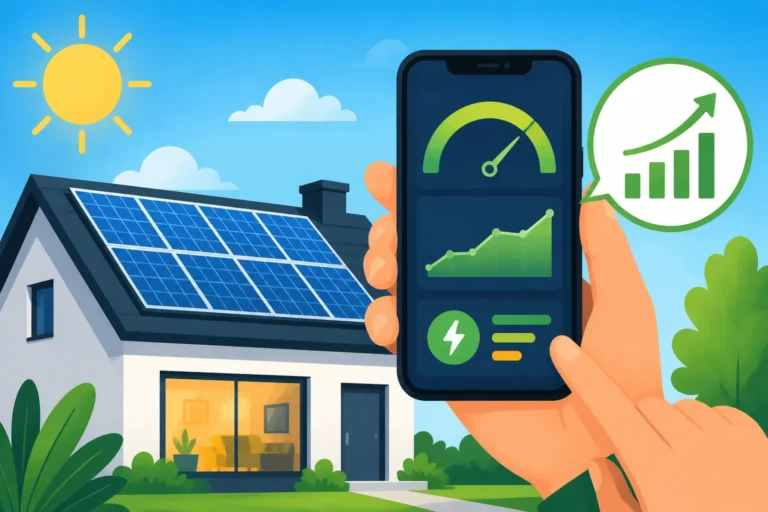
Once your solar system is active, you'll gain access to a monitoring portal, typically via a smartphone app or website provided by your inverter manufacturer (like Enphase or SolarEdge) or your installer. This portal allows you to track your system's real-time energy production, view historical data, and often see your energy consumption. Monitoring your system regularly is key to ensuring it's performing optimally. If you notice a significant drop in production that isn't due to weather, it could indicate an issue that needs attention.
In terms of maintenance, solar panels are remarkably durable and require minimal upkeep. Generally, rainfall is sufficient to keep your panels clean. However, in areas with heavy dust, pollen, or bird droppings, occasional cleaning might be beneficial to maintain peak efficiency. This can often be done safely from the ground with a hose, but for professional cleaning or if your roof is difficult to access, you might consider hiring a service. Our detailed guide on Solar Panel Maintenance & Cleaning offers more tips. It's also a good idea to have a professional inspection every few years to check wiring, connections, and the overall health of your system.
Don't forget the importance of your solar panel warranties. Most panels come with a 25-year performance warranty and a 10-12 year product warranty, while inverters typically have a 10-25 year warranty depending on the type. Understand what your warranties cover and keep all your documentation in a safe place. This ensures peace of mind for the long haul.
Maximizing Your Solar Investment
The true value of your solar investment unfolds over time, and understanding how to continually maximize your savings is crucial. Beyond generating clean energy, there are a few ongoing elements to keep an eye on.
Firstly, regularly reviewing your electricity bills will help you understand how your net metering credits are being applied. If you find you're still paying a significant amount to your utility, or if your utility's buyback rates are low, it might be worth exploring options to increase your self-consumption. This could involve shifting high-energy usage tasks (like running the dishwasher or doing laundry) to midday when your solar production is highest.
Secondly, don't forget about your SRECs! As mentioned earlier, these credits represent a tangible financial benefit. Ensure you're registered with an SREC aggregator and that you understand the process for selling them. This passive income stream can significantly boost your overall return on investment, making your solar system even more financially attractive. The market for Solar Renewable Energy Credit Prices by State can vary, so staying informed is helpful.
Finally, consider the long-term benefits of adding battery storage, especially if your utility's net metering policies aren't as favorable as you'd hoped. A solar battery allows you to store excess electricity generated during the day and use it at night or during power outages, reducing your reliance on the grid and maximizing your energy independence. The federal solar tax credit (if applicable) can also apply to batteries, making them a more accessible option. Explore how Solar Battery Incentives in 2026 might benefit you. By actively managing your consumption and understanding the ongoing financial mechanisms, you can ensure your Pennsylvania solar system continues to deliver maximum value for decades to come.
Disclaimer
Please note that solar policies, incentives, and utility programs are subject to change. While we strive to provide the most up-to-date information, it is always recommended to verify details with your local utility providers, state energy offices, and qualified solar professionals for the most accurate and current guidance pertaining to your specific location and situation.