Is DIY Solar Cheaper Than Hiring an Installer?
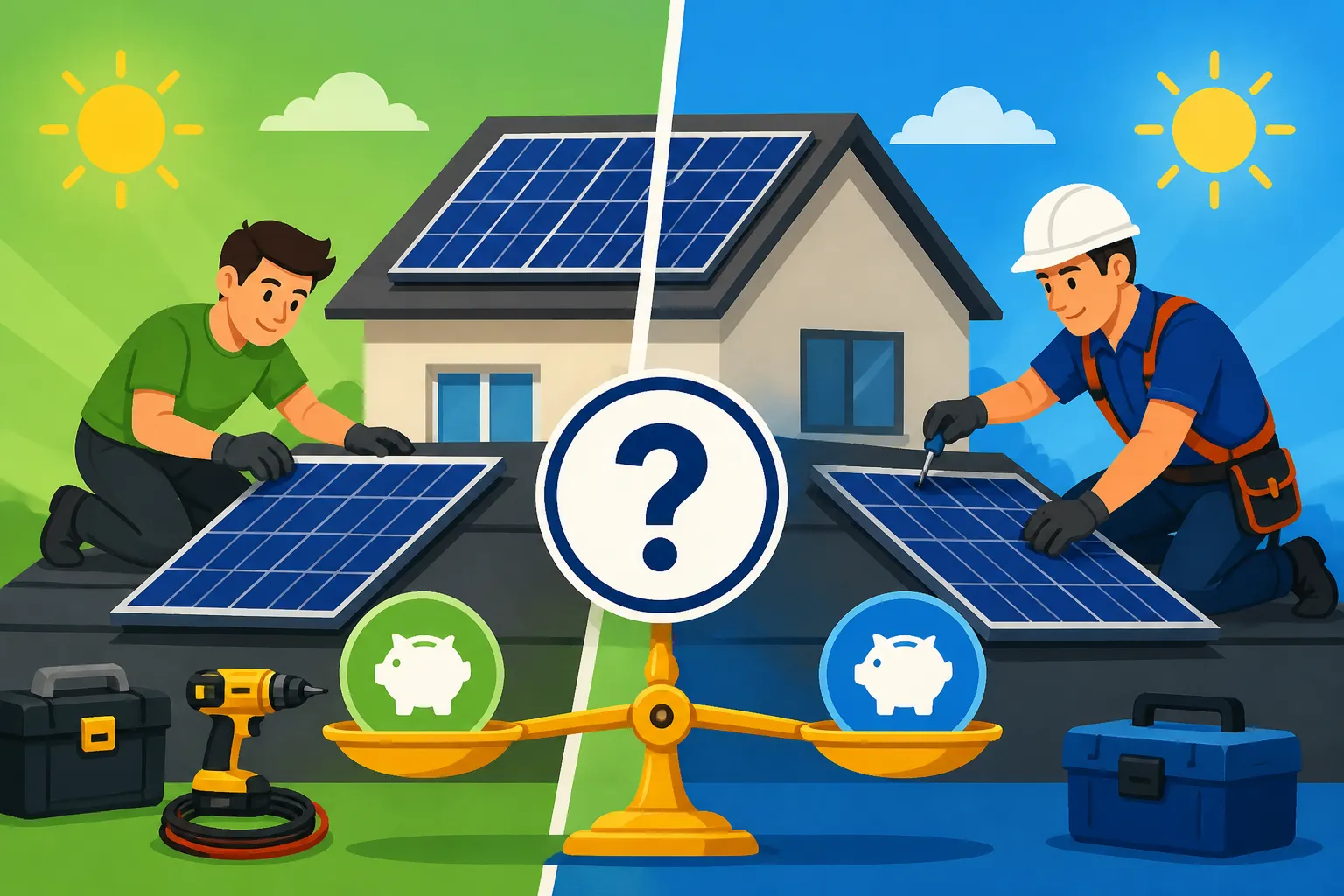
The idea of saving a boatload of cash by installing solar panels yourself is super appealing, isn't it? We've all seen those online tutorials and thought, "Hey, I'm handy, I can do that!" But before you start ordering panels online and dragging them onto your roof, it's crucial to understand that the path to DIY solar is often far more complex and costly than it appears on the surface. This guide will dive deep into whether doing it yourself is truly cheaper than hiring a professional solar installer, exploring all the hidden financial and practical considerations you need to know.
The Allure of DIY Solar Savings: What You Might Be Missing
It's completely natural to eye the prospect of DIY solar with dollar signs in your eyes. The biggest draw, of course, is the promise of cutting out "labor costs." When you get a quote from a solar installer, a significant portion of that total is for design, permits, installation, and interconnection. For many homeowners, especially those who enjoy a good home improvement project, the idea of tackling solar themselves seems like a straightforward way to slash that price tag. However, this initial perception rarely aligns with the full, complex reality of putting a grid-tied solar system on your home.
Initial Cost Perception vs. Reality
When you first look at solar, you might think, "Okay, panels cost X, an inverter costs Y, and I can just add those up." What's often overlooked is the sheer volume of specialized equipment, the regulatory hurdles, and the intricate technical knowledge required to make a solar system both safe and efficient. For instance, while you might be able to buy panels at a decent price, the racking system that securely fastens them to your roof, the specialized wiring, conduit, disconnect switches, and grounding equipment all add up. These aren't just minor additions; they are critical components that need to meet strict electrical and building codes. Failing to account for these items can lead to unexpected expenses that quickly erode any perceived savings.
Beyond the hardware, there's the intellectual capital you're essentially "paying" for when you hire a professional. Installers have years of experience dealing with different roof types, electrical systems, and the ever-changing landscape of solar technology. They know which panels perform best in certain conditions, how to optimize system layout for maximum sunlight exposure, and how to integrate everything seamlessly into your home's existing electrical infrastructure. When you DIY, you're not just saving on labor; you're taking on the burden of becoming an expert in all these areas yourself, and that learning curve can come with expensive mistakes.
Time Investment and Hidden Labor
"Time is money," as the old saying goes, and nowhere is that more apparent than in a DIY solar project. While you might not be writing a check for labor, the hours, days, and even weeks you'll spend planning, sourcing, permitting, and installing your system are a significant investment. This isn't just a weekend project like painting a room. We're talking about a multi-stage process that demands consistent attention and effort.
Consider the research alone: understanding panel types, inverter options, battery storage solutions, and how they all fit together. Then comes the design phase, sizing your system correctly to meet your household's energy needs, which can be a tricky balance. After that, you'll spend countless hours navigating the permitting process with your local municipality and utility company. This can involve multiple trips to city hall, revisions to your plans, and waiting for inspections. Finally, the physical installation itself is strenuous and time-consuming, requiring careful attention to detail for safety and performance. If you're working a full-time job or have other responsibilities, finding this kind of dedicated time can be incredibly challenging, turning a seemingly free labor cost into a huge personal sacrifice.
The True Cost Components of Solar Installation
Let's break down the actual costs that go into a solar installation, whether you hire a pro or try to tackle it yourself. When you look at the big picture, you'll quickly see that the labor isn't the only thing you're paying for when you hire an installer. Many of these components carry significant price tags and complexities that DIYers often underestimate.
Equipment and Materials: Not Always Cheaper for DIY
The core components of a solar system include the solar panels themselves, an inverter (or microinverters), a racking system to mount the panels, and all the necessary electrical wiring, conduits, and safety disconnects. While you can certainly buy these items yourself, a common misconception is that you'll get them cheaper than an installer. The reality is that professional installers purchase equipment in bulk directly from manufacturers or large distributors, allowing them to secure significantly lower prices than an individual homeowner buying a single system.
For example, a homeowner buying a few dozen Qcells or REC panels might pay a higher per-panel price than a large installer like Sunrun or Vivint Solar who buys thousands of panels at a time. The same goes for inverters, such as those from Enphase or SolarEdge. Moreover, installers often have established relationships with suppliers, ensuring access to the latest, most efficient technology and reliable components. When you DIY, you're responsible for vetting every single piece of equipment, ensuring compatibility, and handling shipping, which can be expensive for bulky items like solar panels. Don't forget the warranties, either. While panels come with manufacturer warranties, professional installers often provide a separate workmanship warranty, covering the installation itself – something you won't have if you do it yourself.
Permitting, Inspections, and Interconnection Fees
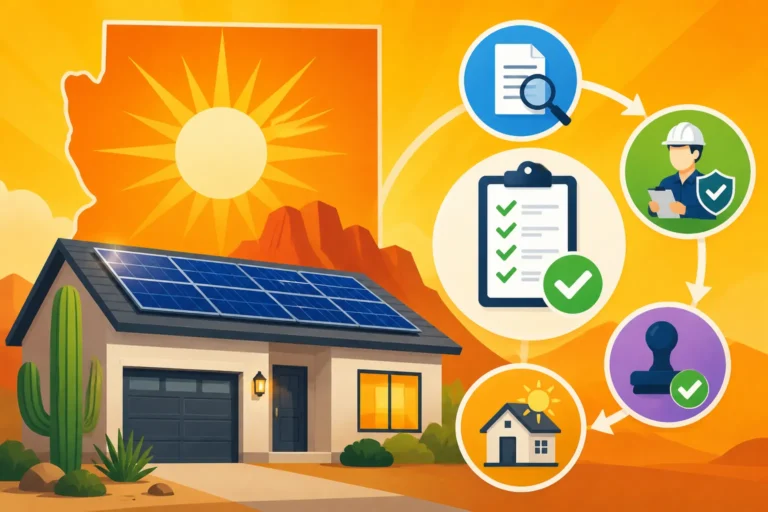
This is where many DIY solar dreams hit a brick wall. Installing a grid-tied solar system on your home isn't just about putting panels on your roof; it's a heavily regulated process designed to ensure safety and compliance with local building and electrical codes. You'll need permits from your city or county, which often require detailed engineering plans, structural assessments of your roof, and a clear electrical diagram of how your new system will integrate with your home and the grid.
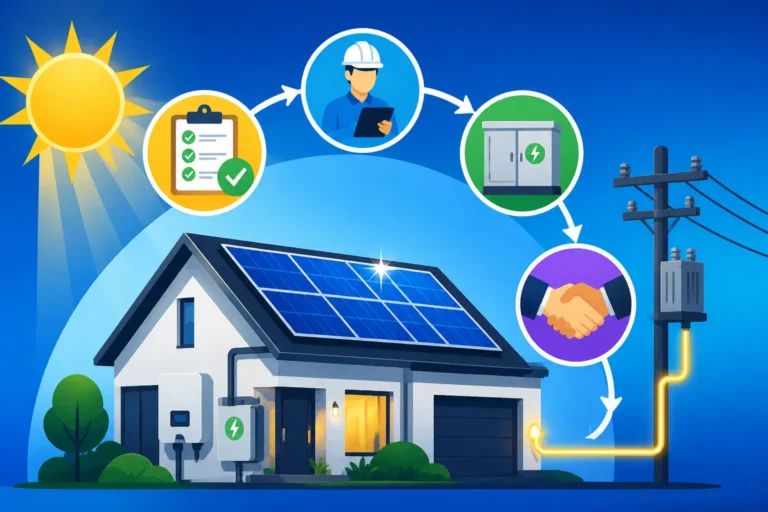
Navigating this bureaucratic maze can be incredibly frustrating and time-consuming for someone unfamiliar with the process. Each municipality has its own specific requirements, and getting approval often involves revisions and resubmissions. Once your plans are approved, you'll need multiple inspections throughout the installation process—electrical, structural, and final—to ensure everything is up to code. Finally, before your system can even turn on, you need to apply for Solar Permitting & Interconnection (PTO) Explained from your utility company. This involves a separate application, fees, and often another inspection by the utility to ensure it's safe to connect to their grid. All these steps, fees, and potential delays add a significant layer of complexity and cost that a DIYer must absorb, both in terms of money and sheer effort.
Specialized Tools and Safety Equipment
Think about the tools you'd need for a complete solar installation. It's far more than just a screwdriver and a wrench. You'll need specialized electrical tools like multimeters, conduit benders, and wire strippers designed for heavy-gauge solar cabling. For the mechanical installation, you'll need precise torque wrenches to ensure proper fastening of racking and panels, as well as specialized lifting equipment to get those heavy panels safely onto your roof.
And then there's safety. Working on a roof, especially one with a steep pitch, is inherently dangerous. You'll need fall protection gear (harnesses, ropes, anchor points), hard hats, safety glasses, and potentially scaffolding or lifts to safely access different areas of your roof. The cost of renting or purchasing all this specialized equipment for a single project can easily run into hundreds or even thousands of dollars. Unless you plan on becoming a professional solar installer, these are one-time expenses that eat significantly into any "savings" you might have hoped for by avoiding labor costs. Moreover, the risk of serious injury is dramatically higher for inexperienced individuals, making the investment in professional tools and safety paramount.
Advantages of Professional Solar Installation
While the idea of saving money with DIY solar is tempting, the reality is that professional solar installers bring a wealth of expertise, efficiency, and peace of mind that often far outweighs any perceived DIY savings. They handle the heavy lifting, both literally and figuratively, ensuring a smooth and compliant installation process.
Expertise, Efficiency, and Warranty Protection
When you hire a professional solar company, you're not just paying for someone to put panels on your roof; you're investing in their specialized knowledge and experience. These teams are adept at designing systems optimized for your specific home, taking into account factors like roof orientation, shading, and your household's unique energy consumption patterns. They know the optimal panel tilt for your geographic location to maximize energy production and are familiar with the intricacies of different inverter types. Their efficiency stems from doing this work day in and day out, minimizing potential errors and speeding up the overall Solar Installation Timeline: What to Expect.
Furthermore, professional installation offers crucial warranty protection. Beyond the manufacturer's warranty on the equipment itself, reputable installers provide a workmanship warranty that covers the installation for a specified period, typically 10 to 25 years. This means if there's an issue with the mounting, wiring, or any part of their installation work, they're on the hook to fix it at no additional cost to you. This is a massive advantage over DIY, where any installation errors, no matter how small, become your sole responsibility and potentially a significant out-of-pocket expense. When looking for a trusted partner, resources like Modernize can help homeowners connect with pre-vetted, qualified installers in their area, making the selection process much less daunting.
Navigating Incentives and Financing
One of the most significant financial benefits of going solar comes from various incentives designed to encourage adoption. These can include federal tax credits, state solar incentives, and local utility rebates. Navigating these programs can be incredibly complex, as eligibility requirements, application processes, and deadlines vary widely. This is where professional installers truly shine.
Experienced solar companies are intimately familiar with all available incentives, from federal programs like the Investment Tax Credit (ITC) to specific State Solar Incentives: Complete 2026 Guide and even localized Utility Solar Rebates: How to Find Yours. They often handle the paperwork and application processes on your behalf, ensuring you claim every incentive you're entitled to. Without their expertise, many DIYers might miss out on valuable savings, diminishing the overall financial benefit of their system.
Beyond incentives, installers can also guide you through various Solar Loans: Complete Guide options, making solar accessible without a large upfront payment. These financing packages are often structured to maximize savings and integrate incentives, something that's much harder to set up independently for a DIY project.
Long-Term Performance and Troubleshooting
A professionally installed solar system comes with the peace of mind that it will perform optimally for decades. Installers ensure that all components are correctly integrated and calibrated for maximum energy production and efficiency. They have monitoring tools and software to track your system's performance, often proactively identifying and addressing issues before they become major problems.
Should any issues arise, whether it's an inverter malfunction or a dip in panel performance, you have a direct point of contact for troubleshooting and repairs. This expert support means your system downtime will be minimal, and you won't be left scratching your head trying to diagnose complex electrical problems. With DIY, every hiccup becomes your personal project manager role, requiring you to research, diagnose, source parts, and perform repairs yourself, which can be incredibly frustrating and costly in the long run.
When DIY Might Be Feasible (and Its Limitations)
While tackling a full, grid-tied residential solar system as a DIY project is generally not recommended for most homeowners, there are specific, smaller-scale scenarios where a do-it-yourself approach might make sense. Understanding these limitations is key to making an informed decision.
Small Systems or Specific Scenarios
The most common and appropriate scenarios for DIY solar involve very small, often off-grid applications. Think about adding a couple of panels to power a shed, a detached garage, an RV, or a remote cabin that isn't connected to the main electrical grid. In these situations, the system is typically much simpler: a few panels, a charge controller, a battery, and perhaps a small inverter for AC appliances. The electrical load is usually low, and there's no complex interconnection process with a utility company.
For instance, if you're just looking to run some lights and charge tools in a workshop, a modest 200-watt or 400-watt system with a deep-cycle battery can be installed relatively straightforwardly by a handy homeowner. The regulatory hurdles are minimal or non-existent, and the safety risks are significantly reduced compared to working on a roof at height and integrating with a live main electrical panel. However, attempting to power your entire home with a DIY grid-tied system is an entirely different beast, requiring a much higher level of expertise and regulatory compliance.
Skill Set and Risk Assessment
Let's be brutally honest: successfully installing a grid-tied solar system requires a diverse and advanced skill set that few homeowners possess. You need to be competent in electrical work, understanding AC and DC wiring, grounding, overcurrent protection, and how to safely connect to your home's main service panel. You also need a strong grasp of construction and roofing techniques, ensuring panels are securely mounted without compromising your roof's integrity or causing leaks. And, as we've discussed, you need to be a project manager, navigating permits and inspections.
The risks involved are substantial. Working on a roof, especially at heights, carries a serious risk of falls. Dealing with high-voltage electricity can lead to severe injury or electrocution if safety protocols aren't followed. Improper installation can also create fire hazards or damage your home's electrical system. Beyond the physical dangers, there's the risk of building code violations, which can lead to fines, require expensive rework, or even prevent you from selling your home in the future. For these reasons, many homeowners choose to use services like Modernize to find qualified professionals, understanding that the peace of mind and safety offered by experts are invaluable. Even if you're incredibly handy, carefully assess whether you truly have the expertise and are willing to accept the significant safety and financial risks associated with a large-scale DIY solar project.
DIY vs. Professional Solar Installation: A Comparison
To give you a clearer picture, let's look at a side-by-side comparison of what you can expect with DIY versus professional solar installation.
| Feature | DIY Solar Installation | Professional Solar Installation |
|---|---|---|
| Initial Equipment Cost | Often higher per watt due to lack of bulk discounts | Lower per watt due to bulk purchasing and established supplier relationships |
| Labor Cost | "Free" (your own time and effort) | Significant portion of total cost, but includes expertise and efficiency |
| Design & Planning | Your sole responsibility; steep learning curve | Expert system design, optimized for performance and aesthetics |
| Permitting & Interconnection | Time-consuming, complex, potential for delays/rejections | Handled by installer, ensuring compliance and smooth process |
| Specialized Tools | Must rent or buy, significant one-time expense | Already owned by installer, included in service |
| Safety Risks | High (falls, electrocution); requires personal safety gear | Managed by trained professionals, adhering to strict safety protocols |
| Warranties | Equipment warranties only; no workmanship warranty | Equipment warranties + installer workmanship warranty (typically 10-25 years) |
| Incentives & Financing | Must research and apply independently; limited financing options | Installer assists with applications, offers broader financing solutions |
| Time Commitment | Extensive (weeks to months) of personal time | Minimal personal time beyond initial consultations |
| Long-Term Performance | Dependent on your installation quality; self-troubleshooting | Optimized by experts; professional monitoring and support |
| Home Value Impact | Potentially negative if not up to code or poorly installed | Generally positive, if properly permitted and installed |
The Verdict: Is DIY Solar Truly Cheaper?
After peeling back all the layers, it becomes abundantly clear that for the vast majority of homeowners looking to install a full, grid-tied solar energy system, doing it yourself is not genuinely cheaper than hiring a professional installer. While the allure of saving on labor costs is strong, it often blinds people to the extensive hidden expenses, time commitments, regulatory hurdles, and significant risks involved.
The "savings" you might achieve by avoiding labor are frequently offset by higher equipment costs for individual purchases, the expense of renting or buying specialized tools, and the sheer amount of time you'll invest in design, permitting, and troubleshooting. Moreover, the potential for costly errors, safety hazards, and missed incentives can quickly turn a DIY "bargain" into a financial nightmare. A poorly installed system might not perform as expected, could void warranties, or even decrease your home's value if it's not up to code.
Professional installers offer an integrated service that extends far beyond just mounting panels. They provide expertise in system design, navigate the complex permitting and interconnection processes, ensure adherence to safety standards, and help you unlock all available Federal Solar Incentives That Still Exist in 2026 and local incentives. They also offer crucial workmanship warranties and ongoing support, providing peace of mind that your investment is sound and will perform reliably for decades. If you're wondering How to Choose a Solar Installer, resources like Modernize can be incredibly helpful in connecting you with reputable, pre-vetted professionals in your area. They can simplify the process of getting multiple quotes, ensuring you find a qualified team to handle your solar journey. Ultimately, for most homeowners, the true long-term value, safety, and efficiency of a professionally installed solar system far outweigh any short-term, perceived savings of a DIY approach.
Disclaimer
Please note: This article provides general information and opinions on home solar. Specific costs, incentives, and regulations can vary significantly based on your location, utility provider, and individual circumstances. It's always recommended to consult with multiple qualified solar professionals and financial advisors before making any decisions about your home solar project.