Best States for Solar Incentives in 2026
The 2026 federal residential clean energy credit offers thirty percent savings alongside state tax credits and net metering.
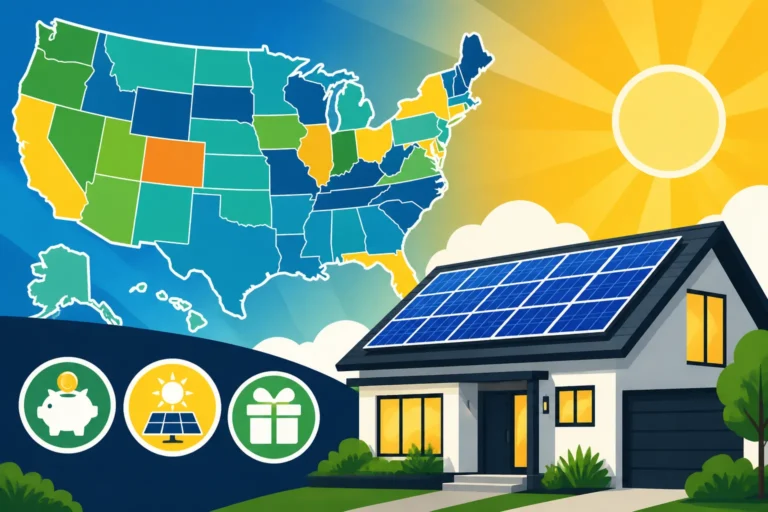
The 2026 federal residential clean energy credit offers thirty percent savings alongside state tax credits and net metering.
The Inflation Reduction Act restored the federal solar tax credit to thirty percent for residential installations through 2032.

Solar grants for homeowners are examined, detailing why direct cash awards are rare and explaining alternative financial incentives.

Federal solar tax credit carryforward rules allow homeowners to apply unused non-refundable credit amounts to future tax years.
Solar incentives and rebates explained, comparing federal tax credits, SRECs, and utility programs that reduce home installation costs.

The federal solar Investment Tax Credit history explains why residential tax credits expired for systems installed by 2026.

Section 48E commercial tax credits let solar leasing companies lower monthly payments for residential customers.

Solar incentives for renters and condo owners explain how to access clean energy despite lacking private rooftop access.

Performance-Based Incentives provide ongoing financial compensation based on actual clean energy generated by solar panel systems.

Community solar programs let renters and homeowners subscribe to offsite solar farms to earn utility bill credits without rooftop installations.