PACE Financing for Solar: How It Works
PACE financing allows homeowners to fund solar panels without traditional loans and repay the costs through property tax bills.

PACE financing allows homeowners to fund solar panels without traditional loans and repay the costs through property tax bills.
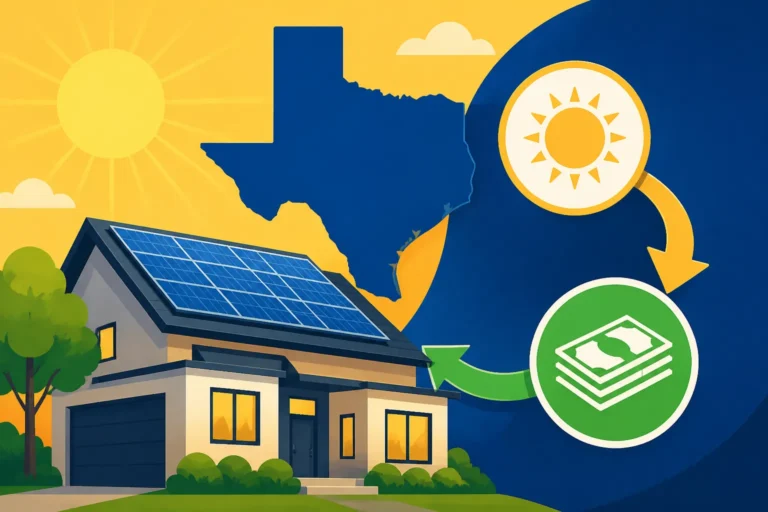
Solar buyback programs in Texas compensate homeowners for excess energy through deregulated Retail Electric Providers without mandated net metering.

Texas lacks a statewide net metering mandate, relying instead on Retail Electric Providers to determine solar buyback programs.
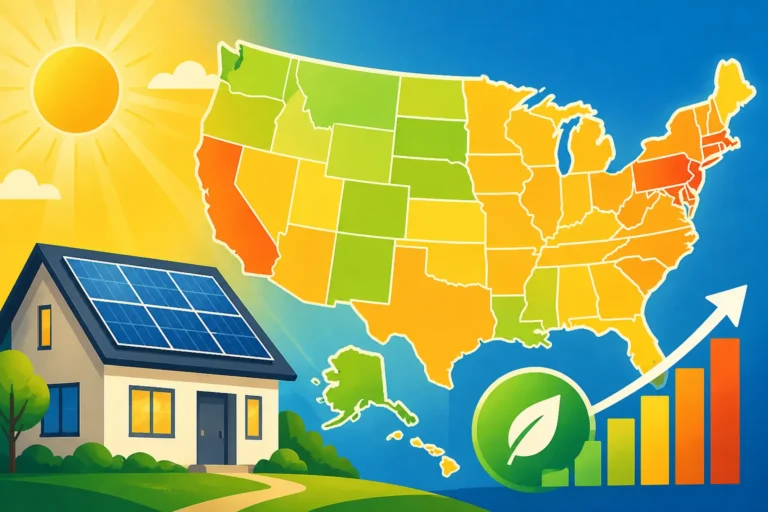
Solar Renewable Energy Credit prices and state market rules explain how solar panel owners earn income from electricity generation.
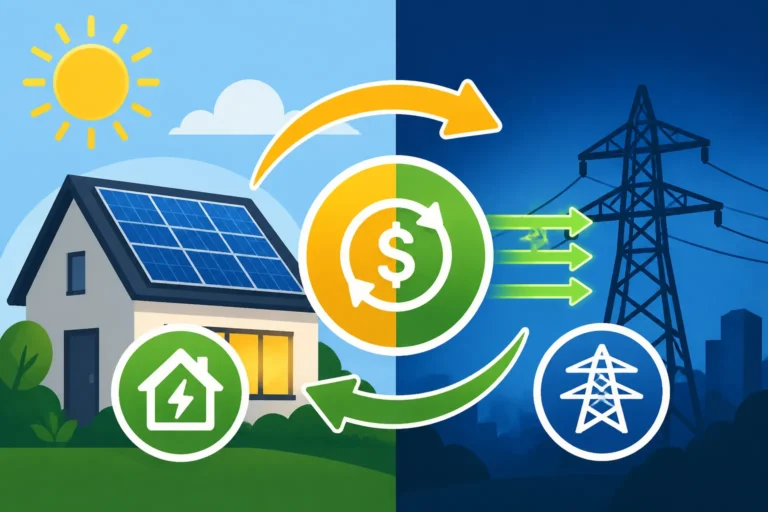
Avoided-cost rates and export credits determine how utility companies compensate homeowners for excess solar panel electricity.

Permission to operate is formal utility authorization confirming your installed solar panel system meets all safety standards.
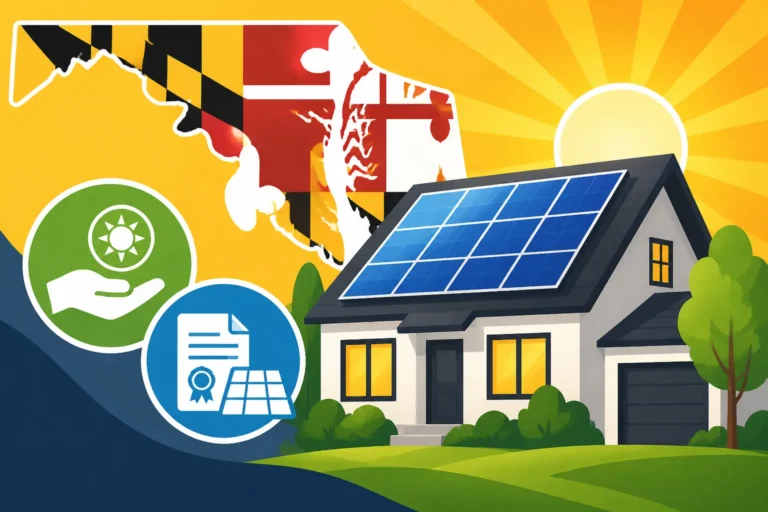
Maryland solar incentives and SRECs explain state programs, grants, and tax rules for homeowners after federal credits expire.

Hawaii solar incentives and the thirty-five percent state tax credit help homeowners claim up to ten thousand dollars for residential photovoltaic systems.

Leased solar system incentives in 2026 and federal tax credits go directly to third party equipment owners rather than homeowners.
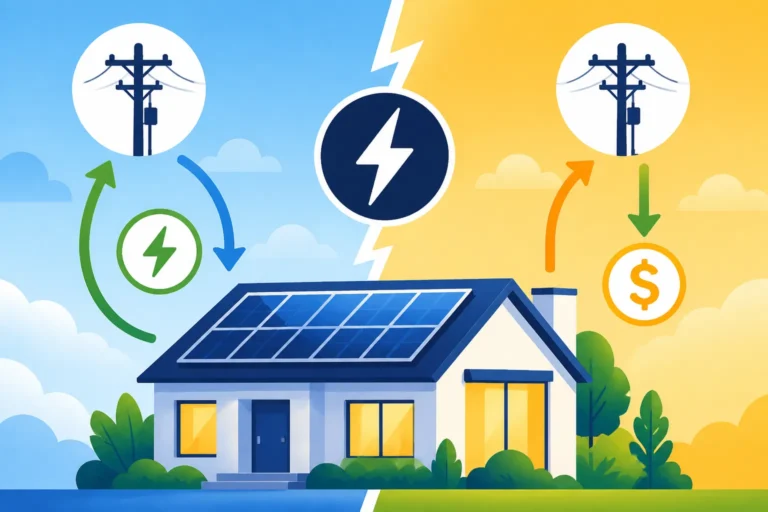
Net metering and net billing differences explained through kilowatt hour credits and utility rates affecting solar savings.