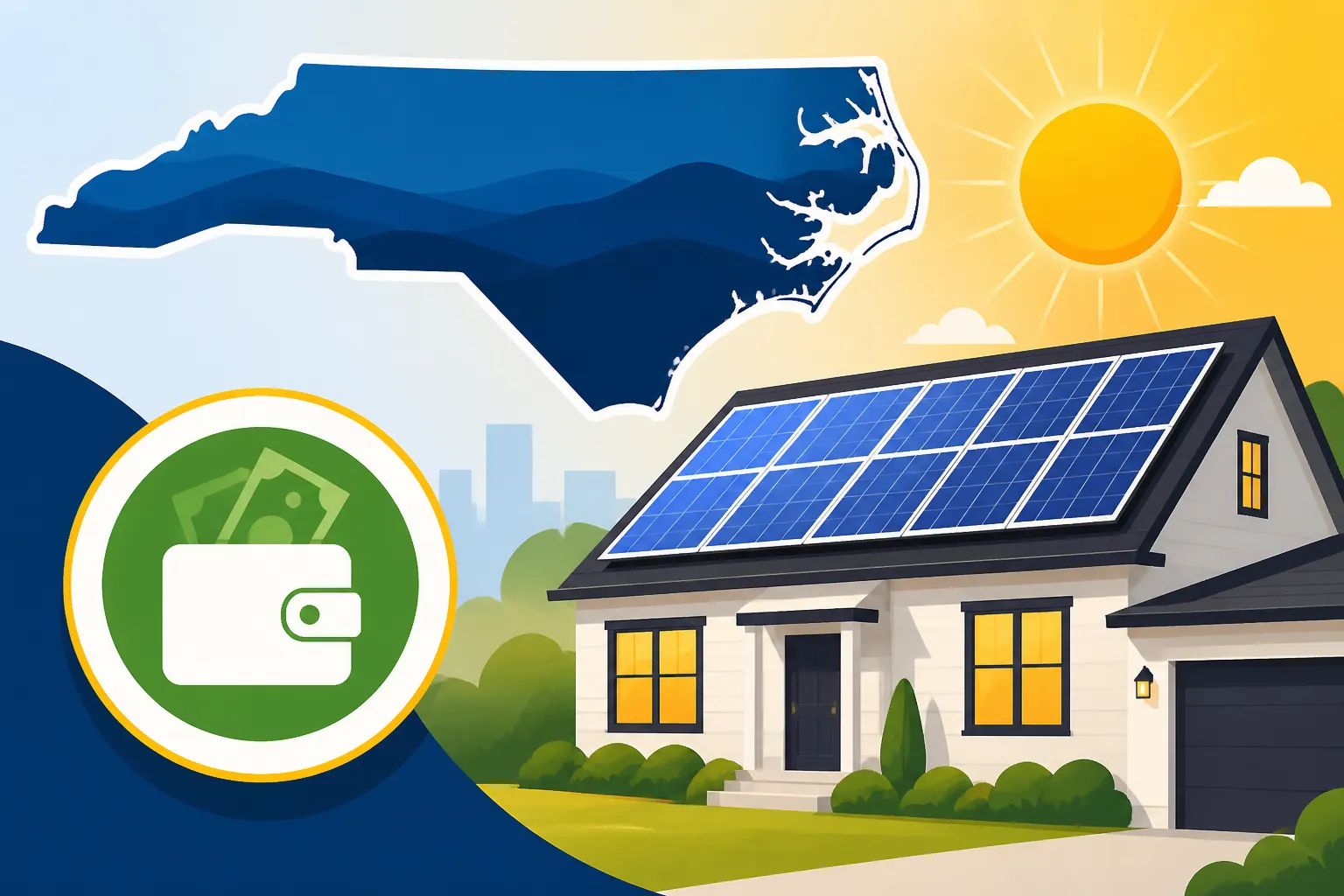
Average Solar Cost in North Carolina (2026)
If you're a North Carolina homeowner watching your monthly electricity bills creep higher and higher, you're probably wondering if solar panels could finally offer some relief. It's a big investment, and understanding the real costs in the Tar Heel State for 2026 can feel like deciphering a cryptic puzzle, especially with so many variables at play. This guide is here to demystify the average solar cost in North Carolina, breaking down what to expect and how to make an informed decision to power your home with sunshine.
Understanding North Carolina's Solar Landscape in 2026
North Carolina has quietly become a significant player in the solar energy sector, and for good reason. The state boasts ample sunshine, and a growing awareness of environmental concerns coupled with the desire for energy independence drives many homeowners to consider solar. However, the path to going solar isn't a one-size-fits-all journey, and understanding the local context is crucial for making sense of the costs.
The Current State of Electricity Costs
One of the primary motivators for homeowners to switch to solar is the ever-increasing cost of traditional electricity. In North Carolina, customers of utilities like Duke Energy Progress and Duke Energy Carolinas have seen their rates steadily climb over the past few years. These incremental increases, sometimes just a few cents per kilowatt-hour, add up significantly over a year, making a fixed-cost investment like solar look more attractive. The volatility of fossil fuel prices, which directly impacts utility rates, also leaves many feeling vulnerable to unpredictable monthly bills.
For many families, the struggle is real. Budgeting becomes a headache when you can't predict what your power bill will be from one season to the next, especially with extreme weather driving up heating and cooling needs. Installing solar offers a way to stabilize these costs, often allowing homeowners to lock in a lower effective rate for their electricity generation over the long term. This financial predictability is a huge relief for many trying to manage household expenses.
Key Factors Influencing Solar Adoption in NC
North Carolina's regulatory environment and geographic characteristics play a significant role in solar adoption and, by extension, costs. The state benefits from a moderate climate with a good number of sunny days annually, making it well-suited for solar production. Furthermore, supportive policies, even if they've evolved over time, have helped foster a competitive market for solar installers and equipment suppliers.
The presence of major utilities like Duke Energy means that interconnection standards and billing practices are relatively uniform across large swaths of the state, which can simplify the installation process compared to areas with dozens of small, independent electric cooperatives. While navigating specific utility requirements can still be a challenge, the overall framework in North Carolina is generally conducive to solar. This stability in the market helps ensure that installers are familiar with local regulations, which can prevent unexpected costs or delays for homeowners.
Breaking Down the Average Solar Panel Cost in North Carolina
When you start looking into solar, the first thing you'll notice is that there isn't one single "average" price tag. The cost of a solar panel system in North Carolina, just like anywhere else, is influenced by a multitude of factors, from the size of your home to the type of equipment you choose. It’s like buying a car—you can get a basic model or a luxury one, and the price varies wildly. Understanding these components will help you decipher quotes and make sense of the investment.
Cost Per Watt and System Size Considerations
The most common way solar professionals discuss system pricing is "cost per watt." This metric normalizes prices across different system sizes, making it easier to compare quotes. In North Carolina, the average cost per watt typically falls within a certain range, but this can fluctuate based on market conditions, the installer's overhead, and the specific technology being installed. A good price per watt for solar in 2026 will generally be lower for larger systems due to economies of scale.
For instance, a homeowner in Raleigh needing a 6 kW system might see a slightly higher cost per watt than a homeowner in Asheville installing a 10 kW system, even if both are using similar equipment. This is because certain fixed costs, like permitting, design, and project management, are spread across more panels and higher overall wattage in a larger installation. To get a clear picture of what you might need, it’s helpful to understand how many solar panels you need for your home, which is typically based on your current electricity consumption.
What Goes Into a Solar Installation Quote
A solar quote isn't just about the panels themselves. It's a comprehensive package that covers everything from initial design to final activation. The major components include the solar panels (obviously!), the inverter system (which converts the DC power from the panels to AC power for your home), mounting hardware, and all the necessary wiring and electrical components. The type of inverter, whether string or microinverter, can significantly impact the overall cost and performance.
Beyond the hardware, a substantial portion of the cost is attributed to labor and soft costs. This includes site assessments, system design, permitting fees (which can vary by county or municipality), utility interconnection applications, and the actual installation labor. Reputable installers will also factor in warranty coverage for both equipment and workmanship. Some quotes might even include the cost of a new electrical panel upgrade if your current one isn't up to code or can't handle the new solar load. These hidden costs & adders in solar quotes are why it's so important to get a detailed breakdown.
Regional Cost Variations Across North Carolina
While we talk about an "average" cost for North Carolina, it's essential to remember that prices can vary depending on where you live within the state. Urban centers like Charlotte, Raleigh, and Durham often have more competitive markets with a higher density of installers, potentially leading to slightly lower prices per watt due to increased competition. These areas might also have streamlined permitting processes.
In more rural parts of the state, such as the Appalachian Mountains or the coastal plains, there might be fewer local installers, potentially increasing labor costs due to travel or less competition. Additionally, specific local ordinances or utility requirements can introduce slight cost differences. For example, a historical district might have stricter aesthetic requirements that necessitate more expensive mounting solutions. Always ask for quotes from local installers in your specific region to get the most accurate pricing for your area.
| System Size (kW) | Average Pre-Incentive Cost Range | Estimated Post-Incentive Cost Range (with 30% Federal ITC) |
|---|---|---|
| 5 kW | $12,500 – $17,500 | $8,750 – $12,250 |
| 8 kW | $19,200 – $26,400 | $13,440 – $18,480 |
| 10 kW | $23,000 – $32,000 | $16,100 – $22,400 |
| 12 kW | $27,600 – $38,400 | $19,320 – $26,880 |
| 15 kW | $33,750 – $46,500 | $23,625 – $32,550 |
Note: These figures are estimates for 2026 and can vary based on equipment, installer, location, and specific home characteristics. The 30% Federal Investment Tax Credit (ITC) is factored in for illustrative purposes, assuming eligibility.
Financial Incentives and Savings Opportunities in North Carolina
Even though the upfront cost of solar can seem daunting, it’s crucial not to look at it in isolation. North Carolina homeowners have access to various incentives that can significantly reduce the net cost of installation and accelerate the payback period. These programs are designed to encourage renewable energy adoption and make solar a more financially viable option for more households.
State and Local Programs
While North Carolina may not have the most aggressive state-specific cash rebates compared to some other states, it does offer valuable support. For instance, the state has strong property tax exemptions for solar, meaning that the value solar panels add to your home won't result in higher property taxes. This is a huge benefit, as installing a system can increase your home's value by a significant amount. Additionally, some municipalities or electric cooperatives may offer their own, smaller-scale utility solar rebates, so it’s always worth checking with your specific local provider.
It’s also worth noting that the state sometimes offers specific grants or programs targeted at low-income solar programs or for community solar projects, which can open up opportunities for those who might not typically consider rooftop solar. Staying informed about these initiatives, which can change periodically, is key to maximizing your savings. Often, a good installer will be knowledgeable about all the state solar incentives that exist.
The Role of Net Metering and SRECs
One of the biggest financial drivers for residential solar in North Carolina is the ability to connect to the grid and utilize net metering. This policy allows you to send any excess electricity your panels produce back to the utility grid, and in exchange, you receive credits on your bill that offset what you pull from the grid when your panels aren't producing (like at night or on cloudy days). While net metering rules can evolve, North Carolina's framework generally allows homeowners to realize significant savings by reducing or even eliminating their monthly electricity bills.
Beyond net metering, North Carolina has historically had a robust market for Solar Renewable Energy Credits (SRECs). SRECs are generated for every megawatt-hour (MWh) of electricity your solar system produces. These credits can then be sold on a market to utilities that need to meet renewable energy mandates. The income from selling SRECs can provide an additional revenue stream, further enhancing the financial return on your solar investment. The market for SRECs explained: selling Solar Renewable Energy Credits can be complex, but many installers or third-party aggregators can manage the process for you.
How Long Until Solar Panels Pay for Themselves in North Carolina?
The payback period for solar panels in North Carolina is a critical factor for many homeowners. This is the amount of time it takes for your cumulative energy savings and incentive earnings to equal the initial cost of your system. Generally, with current electricity rates and incentives, solar panel payback periods in North Carolina often fall in the range of 8 to 12 years, though this can vary.
Factors that influence this timeframe include the initial system cost, the amount of sunlight your home receives, your electricity consumption patterns, and the specific incentives you qualify for. After the payback period, the electricity your system generates is essentially free, leading to pure savings for the remainder of its 25+ year lifespan. Many find that knowing their solar ROI & 25-year savings breakdown helps them feel confident in their investment. Even without the federal tax credit, solar panels can still be a wise financial decision due to these long-term savings.
Important Considerations Beyond the Initial Price Tag
While the upfront cost and potential incentives are certainly major decision points, there's more to going solar than just the numbers on a quote. Thinking about the long game will ensure you're making a truly informed decision that serves your home and your budget for decades to come.
Choosing the Right Solar Installer
Perhaps one of the most crucial decisions you'll make is selecting the right solar installer. The quality of your installation, the responsiveness of customer service, and the reliability of your system all hinge on finding a reputable company. It’s not just about getting the cheapest quote; it’s about finding a partner who will stand by their work. Platforms like Modernize can be incredibly helpful in this initial phase, connecting you with multiple pre-vetted local installers in your area. This allows you to easily compare not only prices but also the different approaches, equipment options, and warranty offers from various companies.
When you're comparing solar installer quotes, look beyond just the bottom line. Ask about their experience, certifications, and what kind of support they offer post-installation. Do they have good reviews? Are they licensed and insured in North Carolina? A good installer will walk you through the entire solar installation timeline, from the initial site survey to the final permission to operate (PTO), ensuring you understand every step. Don't hesitate to ask probing questions about warranties, maintenance, and what happens if something goes wrong with your system years down the line.
Long-Term Maintenance and Warranties
Once your solar panels are installed, the good news is they require relatively little maintenance. Most systems are designed to be quite robust and self-sufficient. Generally, keeping them clean from significant debris like leaves or heavy dust is the main task, and often rain takes care of that for you. However, understanding your warranties is paramount for long-term peace of mind. Most solar panel manufacturers offer a product warranty (covering defects) and a performance warranty (guaranteeing a certain level of power output over time).
Typical solar panel warranties explained often cover panels for 25 years or more. Inverters usually have a shorter warranty, around 10-12 years, but they are generally easier and less expensive to replace if needed. It's also vital to understand the installer's workmanship warranty, which covers the quality of the installation itself. Knowing these details protects your investment and ensures that you won't be hit with unexpected repair costs down the road. Some companies, like Sunrun or Vivint Solar, offer comprehensive packages that include maintenance as part of their leasing or PPA agreements, but even if you own your system, ongoing care is minimal.
Navigating the Solar Journey in North Carolina
Going solar is a significant decision, and it’s natural to feel a bit overwhelmed by all the information. From understanding the average solar cost in North Carolina to deciphering complex incentive programs, there’s a lot to learn. But remember, the goal is long-term energy independence and savings for your home. By thoroughly researching, getting multiple quotes, and understanding all aspects of the investment, you can confidently make the switch to clean, renewable energy.
Whether you're in the bustling city of Charlotte, the research hub of Research Triangle Park, or a quiet rural community, solar energy offers a compelling opportunity to take control of your electricity bills. Take your time, ask plenty of questions, and partner with a trusted installer. This intentional approach will help ensure your solar journey is a smooth and rewarding one.
Disclaimer
The information provided in this guide regarding solar costs and incentives in North Carolina for 2026 is intended for general informational purposes only. While we strive to provide accurate and up-to-date content, market conditions, regulations, and incentive programs are subject to change without notice. Individual solar system costs and savings will vary based on specific circumstances, including location, system size, equipment chosen, installer, and individual energy consumption. It is highly recommended to consult with multiple qualified solar professionals and financial advisors to obtain personalized quotes and assess the financial viability for your specific situation.