Average Solar Cost in Texas (2026)
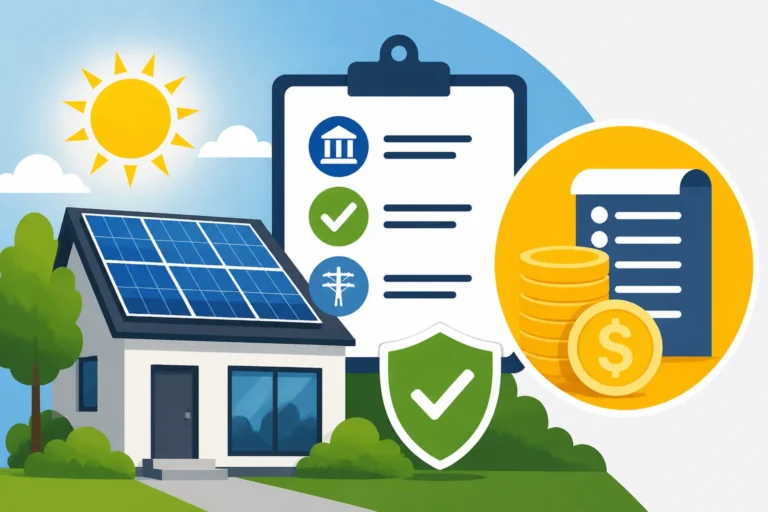
Trying to figure out how much solar panels truly cost in Texas can feel like trying to hit a moving target while blindfolded. With so many variables, from panel efficiency to installation complexities and ever-changing state and local policies, it’s easy to get overwhelmed. This guide is here to untangle the numbers, providing a realistic breakdown of the average solar cost in Texas for 2026, helping you understand what to expect from your investment.
Decoding the "Average" Solar Cost in Texas for 2026
When someone throws out a number for the "average solar cost," it's usually just a starting point. The reality is, what you actually pay for solar in Texas can vary quite a bit, much like the diverse landscapes across our big state. From the bustling energy of Houston to the sprawling ranches of West Texas, specific factors in your location and home will play a huge role.
Key Factors Influencing Your Total Investment
Think of solar installation as a custom-built project, not a one-size-fits-all product. There are several major elements that will significantly impact the final price tag you see on your quote. Understanding these helps you make sense of why one neighbor's system cost might differ drastically from another's, even if their homes look similar.
First and foremost is your energy consumption. A larger home with higher electricity usage, especially during our scorching Texas summers with AC running constantly, will naturally require a larger solar panel system to offset that demand. More panels mean higher equipment costs and potentially more labor. Secondly, the type and quality of solar panels you choose make a difference. High-efficiency panels, like those from manufacturers such as Maxeon (formerly SunPower) or REC, might have a higher upfront cost but can generate more power in a smaller footprint, which is a big plus if you have limited roof space. Conversely, more budget-friendly options might be appealing for their lower price point but could require more panels to meet your energy needs.
Beyond the panels themselves, the inverter technology plays a part. You might opt for string inverters, which are generally less expensive but can be less efficient if even one panel is shaded, or microinverters (like those from Enphase) or power optimizers (like SolarEdge), which allow each panel to operate independently, maximizing output even with partial shading.
Understanding Cost Per Watt in the Lone Star State
The industry often talks about solar costs in terms of "cost per watt" (CPW). This metric helps normalize prices and allows for a more direct comparison between different system sizes and installers. In Texas, the average cost per watt for solar in 2026 typically falls into a range, but it's important to remember this is before any incentives are applied.
As of early 2026, you might see residential solar systems in Texas priced anywhere from $2.70 to $3.50 per watt. So, for a typical 8-kilowatt (kW) system, which is a common size for an average Texas home aiming to offset most of its electricity bill, the gross cost could be anywhere from $21,600 to $28,000 before considering incentives. For a deeper dive into this calculation, you can explore guides like Solar Panel Cost Per Watt Explained. This range accounts for differences in equipment choices, labor rates, and the complexity of the installation. For example, a multi-story home with a steep roof in a high-cost-of-living area like Austin might see prices on the higher end, while a single-story home in a more rural area could be on the lower end.
It's also worth noting that the market for solar is always evolving, with supply chain dynamics and demand influencing prices. While the federal tax credit remains strong, local factors unique to Texas really shape the overall investment picture.
Breaking Down Your Texas Solar System Cost
Your solar system isn't just a bunch of panels; it's a carefully engineered solution with several crucial components, each contributing to the total cost. When you get a quote from a solar installer, it might look like one big number, but it's actually an aggregation of various elements.
Major Components and Their Contribution to Price
Let's unpack what you're actually paying for. The solar panels themselves are a significant chunk of the cost, often making up about 25-35% of the total. Then there are the inverters, which convert the direct current (DC) electricity from your panels into alternating current (AC) electricity that your home appliances use. Inverters usually account for about 10-20% of the cost. The mounting hardware, racking, and wiring needed to securely attach the panels to your roof and connect them to your electrical system add another 10-15%.
Beyond the hardware, the labor for design and installation is a substantial portion, typically 15-25%. This includes everything from the initial site assessment and system design to the actual physical installation, electrical work, and final setup. Permitting and inspection fees, along with interconnection costs to tie your system into the grid, can vary widely by county and city but usually make up 5-10% of the total. For example, a homeowner in Dallas will likely face different local permitting requirements and fees than someone in El Paso.
Finally, don't forget about sales tax. While some states offer solar sales tax exemptions, Texas currently does not have a statewide exemption for residential solar installations. This means the full cost of your system will be subject to state and local sales tax, adding an additional percentage to your total upfront cost. This is an important detail many people overlook until they see the final invoice. For more information on how system size affects pricing, take a look at our guide on Solar Panel Cost by System Size (kW).
Installation, Permitting, and Interconnection Fees Specific to Texas
The administrative side of going solar can be complex, and these costs are baked into your overall price. In Texas, obtaining permits for solar installation is handled at the municipal or county level, meaning requirements and fees can differ significantly from one jurisdiction to another. For instance, obtaining a solar permit in Fort Worth might be a quicker, more streamlined process compared to navigating the specific codes in a smaller, independent city within the greater Houston area.
Once your system is installed and inspected by local authorities, you'll need "Permission to Operate" (PTO) from your utility company. This involves an application process and often an inspection by the utility to ensure your system meets their standards for grid interconnection. Unlike many states with mandated net metering policies, Texas's competitive electricity market means net metering rules can vary greatly by utility and provider. Many Texas utilities offer "solar buyback programs" instead of traditional net metering, where they purchase your excess solar generation at a wholesale or avoided-cost rate, rather than at the full retail rate you pay for electricity. This distinction is critical for your long-term savings and return on investment. You can learn more about this in our article Does Texas Have Net Metering?.
Some of the major utility companies in Texas, like Oncor, CenterPoint Energy, and Texas-New Mexico Power (TNMP), handle the transmission and distribution, while retail electric providers (REPs) like Reliant Energy, TXU Energy, Green Mountain Energy, and Octopus Energy offer various buyback plans. It's crucial to understand these buyback rates as they directly impact how much credit you receive for the power your panels send back to the grid. This variation means your savings can differ significantly even if you have the same solar system as someone else, simply due to your chosen REP's buyback offer.
Texas Solar Incentives and How They Affect Your Out-of-Pocket Cost
Even though Texas is known for its abundant sunshine, it's not as famous for robust statewide solar incentive programs compared to some other states. However, that doesn't mean there aren't ways to bring down your overall investment. You just need to know where to look and what questions to ask.
The Enduring Federal Solar Tax Credit
The absolute biggest financial booster for homeowners going solar in Texas, and indeed across the entire United States, is the federal solar tax credit, officially known as the Investment Tax Credit (ITC). In 2026, this credit is still going strong at a fantastic 30% of your total system cost. This isn't just a deduction; it's a dollar-for-dollar reduction in the federal income taxes you owe. So, if your 8 kW system costs $25,000, that's a $7,500 tax credit right back in your pocket. This single incentive makes a massive difference in the overall financial viability of solar for many Texans.
It's important to understand that this is a credit, not a rebate. You need to have sufficient tax liability to claim the full amount in one year, though any unused portion can generally be carried forward to future tax years. This powerful incentive is why so many homeowners are still choosing solar, even in states without strong local programs. For comprehensive details on federal incentives, check out Federal Solar Incentives That Still Exist in 2026.
State and Local Programs for Texas Homeowners
While Texas doesn't offer a statewide solar tax credit or a broad net metering mandate, there are still some localized incentives that can sweeten the deal.
- Property Tax Exemptions: This is a big one for Texas homeowners. Solar panels are a home improvement that undeniably adds value to your property. However, thanks to a statewide property tax exemption, the added value of your solar energy system is excluded from your property tax assessment. This means you get the benefit of increased home value without paying higher property taxes, which is a significant, long-term financial advantage. Imagine installing a system that adds $10,000 or $20,000 to your home's value, and not having to pay a cent more in property taxes each year because of it! For a deeper dive into how this works, see Solar Property Tax Exemptions by State.
- Utility Rebates and Programs: This is where the landscape gets more localized. Some municipal utilities or electric cooperatives in Texas offer their own solar rebate programs. These are not statewide, so it requires a bit of research to see what's available in your specific area. For example, Austin Energy has historically offered solar rebates to its customers, and some smaller co-ops might have similar programs. These rebates are usually applied as a one-time credit on your utility bill or a direct payment, further reducing your upfront costs. To help find these, consider consulting resources like Modernize, which can often connect you with installers knowledgeable about local incentives, or check our guide Utility Solar Rebates: How to Find Yours.
- Solar Buyback Programs: As mentioned earlier, while not traditional net metering, many Texas retail electric providers (REPs) offer various solar buyback programs. These plans dictate how much you get paid for the excess electricity your panels produce and send back to the grid. The rates can vary widely, from near-retail to wholesale rates, and some plans even have caps or specific time-of-day rates. It’s absolutely critical to compare these programs when choosing your REP, as a favorable buyback program can dramatically increase your long-term savings. Our post on Solar Buyback Programs in Texas provides a detailed overview.
Here’s a simplified look at how these incentives might affect a hypothetical 8 kW solar system costing $25,000:
| Cost Component/Incentive | Estimated Amount | Impact |
|---|---|---|
| Gross System Cost | $25,000 | Initial investment before any savings or incentives. |
| Federal ITC (30%) | -$7,500 | Direct reduction of your federal tax liability. |
| Potential Utility Rebate | -$500 to -$1,500 | One-time reduction from your local utility (if available, varies greatly). |
| Net Out-of-Pocket Cost | $16,000 to $17,000 | Your actual cost after claiming incentives, before considering sales tax or financing costs. |
| Property Tax Exemption | Long-term Savings | Protects you from increased property taxes due to solar value (ongoing annual savings). |
| Solar Buyback Credits | Ongoing Savings | Reduces your monthly electricity bill by crediting you for excess production (monthly savings). |
This table illustrates how incentives, particularly the federal tax credit, significantly reduce your actual cash outlay, making solar a much more attainable goal for many Texans.
Smart Strategies for Managing Solar Costs in Texas
Even with incentives, investing in solar is a significant financial decision. But there are smart ways to approach it that can help you get the best value and ensure your system performs optimally for decades to come.
Comparing Quotes and Choosing the Right Installer
This is arguably one of the most important steps in your solar journey. The price for the same size and quality system can vary by thousands of dollars between different installers. It's not just about the cheapest price; it's about the best value, combining quality equipment, experienced installation, robust warranties, and excellent customer service.
When you're gathering quotes, aim for at least three to five from different reputable solar companies. Don't be afraid to ask tough questions about their experience, the specific equipment they propose, their warranty coverage (for both equipment and labor), and how they handle permitting and interconnection. A great way to start this process is by using platforms like Modernize, which can connect you with pre-vetted local installers in your area, streamlining the quote-gathering process. They can provide you with competitive bids, making it easier to compare apples to apples. Understanding the questions to ask is key, and our article on How to Choose a Solar Installer can walk you through it.
Look for installers that are transparent about all costs, including potential hidden fees or "dealer fees" if you're financing. Make sure they clearly outline the estimated energy production, your projected savings, and the payback period for your system. A good installer will perform a thorough site assessment, taking into account your roof's condition, shading, and orientation, and custom-design a system to meet your specific energy needs.
Financing Your Texas Solar Investment
For many homeowners, paying for a solar system outright with cash isn't feasible. Thankfully, there are several financing options available that make solar accessible.
- Solar Loans: These are the most common financing method for homeowners who want to own their system. You take out a loan, typically from a bank, credit union, or a solar-specific lender, and pay it back over time, usually 10 to 20 years. The great thing about owning is that you get to claim the federal solar tax credit and any other incentives. Monthly loan payments are often structured to be less than or equal to your previous electricity bill, meaning you're essentially redirecting money you were already spending. Our guide Solar Loans: Complete Guide provides a comprehensive overview of how these work.
- PACE Financing: Property Assessed Clean Energy (PACE) programs are another option, though availability varies by Texas county and municipality. PACE allows you to finance solar (and other energy-efficient home improvements) through an assessment on your property tax bill. This means the loan is tied to the property, not the homeowner, and repayment terms can be very long.
- Cash Purchase: If you have the capital, paying cash is typically the most cost-effective option in the long run. It eliminates interest payments, maximizes your overall savings, and often results in the quickest payback period.
When considering financing, always look at the total cost of the loan, including interest, and compare it against your projected energy savings. Remember, your savings aren't just from reducing your electricity bill; they also include the value of the federal tax credit and the property tax exemption.
Texas is a fantastic state for solar, not just because of its abundant sunshine, but also due to the increasing adoption of renewable energy. While the upfront cost might seem daunting, the long-term savings, increased home value, and environmental benefits make it a worthwhile investment for many homeowners. By understanding the cost factors, leveraging available incentives, and choosing the right partners, you can confidently go solar.
Disclaimer
The information provided in this article is for general informational purposes only and does not constitute financial, tax, or legal advice. Solar costs and incentives are subject to change, and individual circumstances will vary. Always consult with qualified professionals for personalized advice regarding your solar installation and financial decisions.