Washington Solar Incentives in 2026
Feeling overwhelmed by the sheer volume of information (and misinformation!) out there about solar incentives? It's a real headache, isn't it? Trying to figure out what applies to you, what's still active, and how to actually claim these benefits can feel like deciphering ancient hieroglyphs. If you're a homeowner in the beautiful Evergreen State eyeing solar panels, you're probably wondering what Washington solar incentives are on the table for 2026. Well, take a deep breath, because this guide is designed to cut through the noise and lay out exactly what's available to make your solar journey more affordable.
Navigating Washington's Solar Landscape in 2026
Washington State has always prided itself on its green initiatives and commitment to renewable energy, and that extends to making solar power more accessible for its residents. While some incentive programs have evolved over the years, there are still tangible benefits for homeowners looking to harness the power of the sun. It’s not just about federal programs; the state itself offers crucial support that can significantly impact your overall solar investment.
Understanding State-Specific Programs
For many years, Washington had a robust Production Incentive Program that paid homeowners per kilowatt-hour (kWh) their system generated, particularly if it included Washington-made components. However, this program officially expired on June 30, 2020. This is one of those common frustrations – hearing about a great program only to find out it's no longer active. So, for 2026, you won't be able to benefit from that specific production incentive.
But don't despair! While a direct production incentive is off the table, the state's broader commitment still underpins other financial benefits. The focus has shifted somewhat, but the goal remains the same: to encourage renewable energy adoption. It's crucial to look beyond just one type of incentive and consider the full picture. This often means combining different state and local offerings with federal ones to maximize your savings.
The Evergreen State's Commitment to Clean Energy
Washington's dedication to clean energy is enshrined in policies like the Clean Energy Transformation Act (CETA), which mandates that electric utilities transition to a 100% clean energy supply by 2045. While CETA primarily impacts utilities, it creates an environment where solar energy is highly valued and continually supported through other mechanisms. This statewide mandate means that utilities are incentivized to procure clean energy, which indirectly benefits homeowners who generate their own. Think of it as a ripple effect: as the demand for clean energy grows, so does the infrastructure and support for individual contributions like rooftop solar. This long-term commitment provides a stable backdrop for solar investment, reassuring homeowners that their choice aligns with state goals and future energy planning.
Financial Bright Spots: Tax Exemptions and Net Metering
When you're looking at the big picture of solar savings, it's not always about upfront cash. Sometimes, the most powerful incentives come in the form of avoiding future costs, and Washington excels here with property tax exemptions and robust net metering policies. These elements are often overlooked but can add up to substantial long-term financial benefits, making your solar investment truly worthwhile.
Property Tax Exemptions for Solar
One of the most appealing financial incentives in Washington is the property tax exemption for solar energy systems. This means that if you install solar panels on your home, the added value of that system will not be included in the assessed value of your property for tax purposes. Let that sink in for a moment: you get to increase your home's value, lower your energy bills, and you won't be penalized with higher property taxes for doing so. This is a massive win for homeowners.
Imagine this scenario: you invest in a new solar system that might add, say, $20,000 to the market value of your home. In many other states, that $20,000 would be tacked onto your property's assessed value, leading to a higher annual property tax bill. In Washington, thanks to this exemption, that additional value is ignored. This can save you hundreds, if not thousands, of dollars over the lifetime of your system, depending on your local property tax rates. It's a "silent" saving that really boosts your Solar ROI & 25-Year Savings Breakdown. This exemption applies to systems installed before December 31, 2029, so you've still got plenty of time to take advantage of it.
Net Metering in Washington State
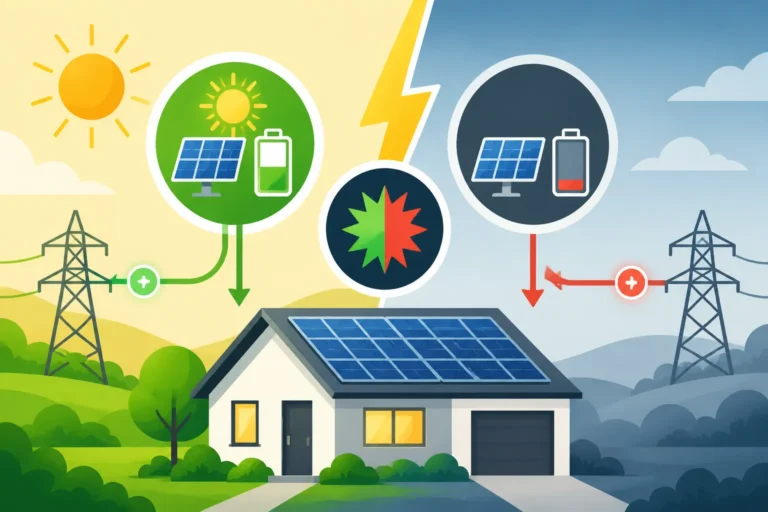
Net metering is often the unsung hero of residential solar, and Washington State has a solid framework in place. If you're new to this, net metering allows you to send any excess electricity your solar panels produce back to the grid. In return, your utility company credits your account for that power, usually at the full retail rate. When your panels aren't producing enough power (like at night or on cloudy days), you draw electricity from the grid, and those credits offset your usage.
Washington's net metering law generally requires utilities to offer net metering to customers with systems up to 100 kW in capacity, which covers virtually all residential installations. This is a critical component of making solar financially viable because it ensures you get fair value for the energy you generate but don't immediately use. Without net metering, you'd likely sell your excess power at a much lower wholesale rate, significantly reducing your savings. For instance, if your panels overproduce in the summer, those credits can help cover your energy consumption during the darker winter months, essentially turning your electricity meter into a savings account. Understanding Net Metering Explained: How It Works by State is vital for any solar homeowner.
It's important to note that while net metering is strong, specific terms can vary slightly between utility providers. Some utilities, for example, might "zero out" excess credits annually, meaning you lose any banked credits at a certain point, typically April 30th. Others might pay out for excess generation at an avoided-cost rate or carry them over indefinitely. Always check with your specific utility company to understand their exact net metering policy. For example, Puget Sound Energy (PSE) has its own specific interconnection and net metering guidelines that homeowners in their service territory need to follow.
Here's a quick look at how Washington's net metering generally works:
Feature Details 100% clean energy supply by 2045.
Feature Details
State Solar Incentives in 2026 State Solar Incentives: Complete 2026 Guide].
Property Tax Exemption Exempts the value added by a solar energy system from property taxation. No increase in property taxes due to solar installation. Valid until December 31, 2029. Net metering allows you to exchange surplus energy with your utility for credits, offsetting your bill.
Disclaimer
This article is for general informational purposes only and does not constitute professional advice. Laws, prices and regulations vary by location and change over time. Consult a qualified professional for guidance on your specific situation.