Should I Pay Off My Solar Loan Early?
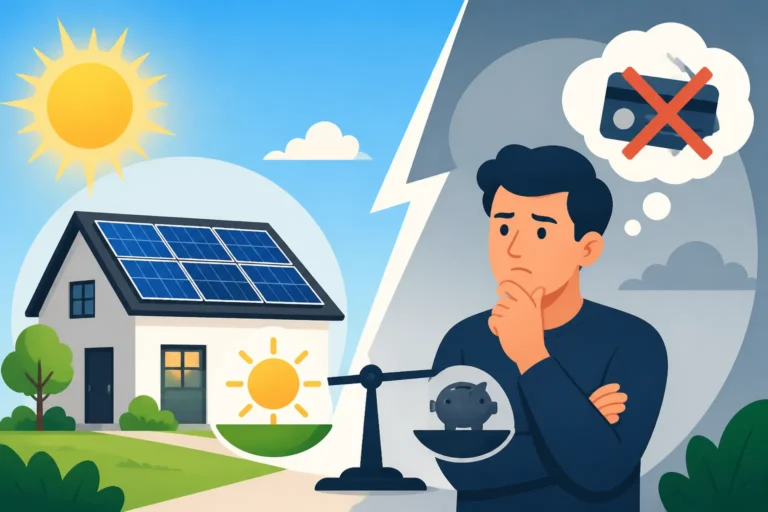
It’s a common scenario: you’ve made the leap to solar, your panels are humming, and your electricity bills are looking much friendlier. But as the months turn into years, that solar loan payment keeps rolling in, and you start to wonder, “Wouldn’t it be great to just get rid of that debt?” The thought of being completely free from monthly payments, especially a significant one like a solar loan, is incredibly appealing. But is paying it off early truly the best financial move for you? This guide will walk you through the nitty-gritty details, helping you weigh the pros and cons so you can make an informed decision that aligns with your personal financial goals.
Decoding Your Solar Loan Agreement
Before you even think about accelerating payments, the first and most crucial step is to really dig into your solar loan agreement. Many homeowners sign on the dotted line without fully understanding every clause, especially when the excitement of going solar is high. Now's the time to become an expert on your own loan.
Key Loan Terms to Review
Every loan, including your solar loan, comes with a set of terms and conditions that dictate how it works and what penalties might apply. It's not the most exciting reading, but it's absolutely vital.
First, look for your interest rate. This is the percentage charged on the money you've borrowed, and it's perhaps the biggest factor in determining how much you'll save by paying early. A high interest rate means more of your monthly payment goes towards interest, so paying it down faster can result in substantial savings. Second, understand the loan term, which is how long you have to pay back the loan. Typical solar loans can range from 10 to 20 years. A longer term generally means lower monthly payments but significantly more interest paid over the life of the loan. Knowing this helps you visualize the total cost.
Perhaps the most critical term to scout for when considering early payoff is the presence of any prepayment penalties. These are fees that some lenders charge if you pay off your loan ahead of schedule. Lenders impose these to recoup some of the interest income they would have earned if you'd paid as scheduled. While less common with many consumer loans today, especially those for renewable energy, they do exist, so check your contract thoroughly. If a penalty is substantial, it might negate some of the savings from early payoff, making the decision more complex. You might even find that your original installer, perhaps one you connected with through a service like Modernize, had different financing options, and understanding the specifics of your chosen one is paramount. It’s also wise to research general trends, like those discussed in "What Is the Average Solar Payback Period in 2026?", to benchmark your own situation.
How Solar Loans Differ from Other Debts
Solar loans often sit in a unique space within your financial portfolio, distinct from mortgages or credit card debt. Understanding these differences can inform your payoff strategy.
Many solar loans are unsecured personal loans, meaning they aren't tied to your home's equity, unlike a home equity loan or a cash-out refinance. While this can make them easier to obtain, they sometimes carry higher interest rates than secured loans because the lender has no collateral to seize if you default. Other solar loans can be secured, tied directly to the solar equipment itself, or even to your home through something like a Property Assessed Clean Energy (PACE) loan, though PACE loans have their own set of considerations and risks. It's crucial to know which type of loan you have.
Another key difference often lies in the presence of dealer fees. These are fees that the solar installer pays to the lender to "buy down" the interest rate for the homeowner. While they make the advertised interest rate look attractive, these fees are often rolled into the total loan amount, meaning you're effectively borrowing more money than the cost of your solar system. This can inflate the principal, increasing the total interest you'll pay over time, even with a seemingly low interest rate. Being aware of these hidden costs, as detailed in "Solar Dealer Fees Explained (Hidden Loan Costs)", can significantly influence whether an early payoff strategy makes financial sense.
The Financial Benefits of Early Solar Loan Payoff
Let's talk about the tangible upsides of paying off that solar loan ahead of schedule. For many, these benefits are compelling reasons to prioritize debt elimination.
Substantial Interest Savings
This is arguably the biggest, most straightforward advantage of paying off any loan early, and solar loans are no exception. The longer you carry a loan, the more interest accrues, slowly but surely eating away at your hard-earned money.
Imagine you have a 15-year solar loan for $30,000 at a 6% interest rate. Over the full term, you could end up paying more than $15,000 in interest alone. Now, if you manage to pay that loan off in 7 years instead, you could slash that interest payment by thousands of dollars, effectively putting that money back into your pocket. The exact savings depend heavily on your loan's interest rate and how quickly you accelerate your payments. The higher the interest rate, the more dramatic your savings will be. Think of it as a guaranteed return on investment: every dollar you put towards the principal reduces the future interest you owe. This direct saving can often outweigh many other investment opportunities, especially in a volatile market. If you're comparing your options, remember to look at guides like "Cash vs Financing Solar: Which Saves More?" for deeper insights into how upfront payment affects overall savings.
Boosting Your Home's Value and Appeal
Having a solar system that is fully owned, rather than financed, can make your home significantly more attractive in the real estate market. Potential buyers often see leased or financed solar panels as a potential headache, a financial obligation they might have to take over.
When your solar system is fully paid off, it becomes a clear asset that adds value to your home without any associated liabilities. Buyers appreciate the prospect of enjoying reduced or eliminated electricity bills immediately, without needing to qualify for a loan transfer or navigating complicated lease agreements. This can not only increase your home's appraisal value, but also make it stand out in a competitive market, potentially leading to a quicker sale and a higher sale price. Think of it as enhancing your home's curb appeal, but for its energy efficiency and long-term cost savings. Resources like "Do Solar Panels Increase Home Value?" can provide more context on this benefit.
Gaining Financial Freedom and Peace of Mind
Beyond the purely financial calculations, there's a significant psychological benefit to being debt-free. Imagine removing one more monthly payment from your budget – what could you do with that extra cash flow?
Paying off your solar loan early liberates those funds, giving you more flexibility for other financial goals. You could increase your retirement savings, fund a child's education, save for a major home renovation, or simply have more disposable income to enjoy life. This newfound freedom can significantly reduce financial stress, offering a profound sense of peace of mind. Knowing that your home's energy source is entirely yours, with no ongoing payments or debt obligations, is a powerful feeling. It simplifies your budget, strengthens your overall financial position, and removes a layer of financial risk from your life, allowing you to breathe a little easier.
Potential Downsides and Important Considerations
While the idea of being debt-free is incredibly alluring, rushing to pay off your solar loan without considering the alternatives could lead to missed opportunities or unintended financial strain.
The Opportunity Cost of Capital
Every dollar you put towards paying off your solar loan early is a dollar that cannot be used elsewhere. This is what financial experts call "opportunity cost." It's the value of the next best alternative you give up when making a choice.
For example, if your solar loan has a relatively low interest rate (say, 3-4%), and you have other debts with much higher interest rates, like credit card balances at 18-24%, then using your extra cash to pay off the solar loan first might not be the smartest move. Prioritizing high-interest debt nearly always yields a better financial return. Alternatively, if your investments (like a diversified stock portfolio) historically generate returns higher than your solar loan's interest rate, then investing that extra money instead of accelerating loan payments could potentially grow your wealth faster in the long run. However, investments come with risk, whereas paying off debt is a guaranteed return (the interest you save). It's a personal decision based on your risk tolerance and financial strategy. Don't forget that if you're exploring ways to finance your solar journey, checking out options through a service like Modernize can give you a clearer picture of rates and terms.
Prepayment Penalties and Fees
As briefly mentioned earlier, some loan agreements include clauses that penalize you for paying off your loan before its scheduled term. This is a critical detail that absolutely must be checked in your specific loan documents.
Prepayment penalties are designed to compensate the lender for the interest they would have earned if you had carried the loan for its full duration. These penalties can sometimes be a flat fee, a percentage of the remaining balance, or a calculation based on the amount of interest lost to the lender. If your loan has a substantial prepayment penalty, paying it off early might not be as financially advantageous as it first appears. In some cases, the penalty could even outweigh the interest savings, making early payoff a net loss. This is why a thorough review of your loan agreement is non-negotiable before making any accelerated payments.
Impact on Your Emergency Fund and Other Financial Goals
Draining your savings to pay off a solar loan might feel like a victory, but it could leave you vulnerable in the face of unexpected expenses. A robust emergency fund, typically 3-6 months' worth of living expenses, is a cornerstone of sound financial planning.
Life happens: a sudden job loss, a medical emergency, or an unexpected home repair could quickly deplete your finances if your emergency fund is empty. If you've poured all your extra cash into your solar loan, you might find yourself in a bind, potentially needing to take on new debt (at higher interest rates!) to cover these unforeseen costs. Furthermore, consider other important financial goals. Are you saving for a down payment on another property, a child's college tuition, or a comfortable retirement? Redirecting all available funds to a solar loan payoff could derail these other long-term objectives. It's about balance – ensuring your financial security and other aspirations aren't sacrificed for the sake of eliminating one specific debt. For those evaluating whether to pay cash upfront or finance, the article "Is It Worth Buying Solar Outright With Cash?" offers valuable perspective.
Making the Right Decision for Your Situation
There's no single "right" answer when it comes to paying off a solar loan early. The best approach depends entirely on your unique financial landscape, risk tolerance, and personal goals.
Prioritizing High-Interest Debt
A fundamental principle in personal finance is to tackle high-interest debt first. If you're carrying balances on credit cards, personal loans, or other debts with interest rates significantly higher than your solar loan, those should almost always be your priority.
The math is simple: every dollar you pay towards a 20% interest rate debt saves you more than a dollar paid towards a 5% interest rate debt. Eliminating high-interest debt first frees up more cash flow in the long run and prevents rapid interest accumulation that can keep you trapped in a debt cycle. Once your higher-interest debts are under control, then revisiting your solar loan payoff strategy becomes more appropriate. This systematic approach ensures you're maximizing your savings and minimizing the overall cost of your liabilities.
Assessing Your Financial Stability and Goals
Before making any big financial moves, take an honest look at your current financial health. Do you have a stable income? Is your job secure? How robust is your emergency fund?
If your financial situation is rock-solid and you have a comfortable cushion, then paying off the solar loan early might be a good move. However, if there's any uncertainty about your income, or if your emergency fund is lean, it might be wiser to build up your savings first. Your personal goals also play a huge role. Do you dream of early retirement, or buying a second home? The money you'd use to pay off your solar loan could potentially be invested to help you reach those goals faster, especially if your loan's interest rate is low. Conversely, if your primary goal is to simply live debt-free and simplify your financial life, then an early payoff might provide immense personal satisfaction, even if it's not the absolute optimal financial decision on paper. It's truly a balance between numbers and peace of mind. To understand the bigger picture of how solar fits into your long-term finances, you might want to look at "Solar ROI & 25-Year Savings Breakdown."
Seeking Professional Financial Advice
Navigating complex financial decisions is rarely easy, and sometimes, a little expert guidance can make all the difference. A qualified financial advisor can provide personalized insights tailored to your specific circumstances.
An advisor can help you analyze your solar loan terms, compare the potential savings from early payoff against alternative investment opportunities, and ensure that your decision aligns with your broader financial plan. They can also help you identify any hidden pitfalls or opportunities you might have overlooked. If you’re unsure about the nuances of your loan or how it fits into your overall financial picture, don't hesitate to seek professional help. Tools or services like Modernize can help you connect with qualified solar professionals, and some even offer resources to help you understand financing, but for overarching financial planning, a dedicated financial advisor is invaluable. They can help you answer critical questions like "Is a Solar Loan Worth It?" for your specific situation.
Conclusion: Weighing Your Options Carefully
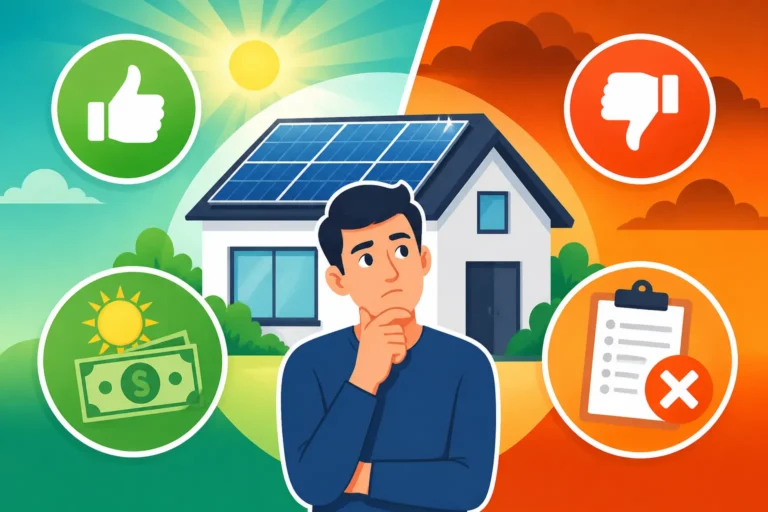
Deciding whether to pay off your solar loan early is a significant financial decision with both benefits and potential drawbacks. On one hand, you stand to save a considerable amount in interest, increase your home's appeal and value, and gain the invaluable peace of mind that comes with being debt-free. It's a solid, guaranteed return on your money.
However, it's crucial to consider the opportunity cost—could that money work harder for you elsewhere, perhaps by paying off higher-interest debt or growing through strategic investments? You must also meticulously check for any prepayment penalties in your loan agreement that could diminish your savings. Ultimately, the best course of action is deeply personal. It hinges on your specific loan terms, your overall financial health, your other outstanding debts, and your personal comfort level with carrying debt. Take the time to review your documents, crunch the numbers, and if needed, consult with a financial professional. Your future self will thank you for making a well-informed decision that aligns with your financial vision.
Disclaimer
The information provided in this guide is intended for general informational purposes only and does not constitute financial, tax, or legal advice. Solar loan terms, incentives, and personal financial situations vary widely. Always consult with a qualified financial advisor, tax professional, or loan specialist to discuss your individual circumstances before making any financial decisions.